Kentucky is writing to 46,000 people this week to tell them their medical debt is gone.
Kentucky gave $2.5m to a nonprofit that buys medical debt for the pennies collectors pay for it and then cancels it rather than chasing it, so nobody had to apply and there was no form to fill in. The first letters went out within a week of 15 September, and the state expects to clear $250m owed by about 130,000 people.
21 September 2026
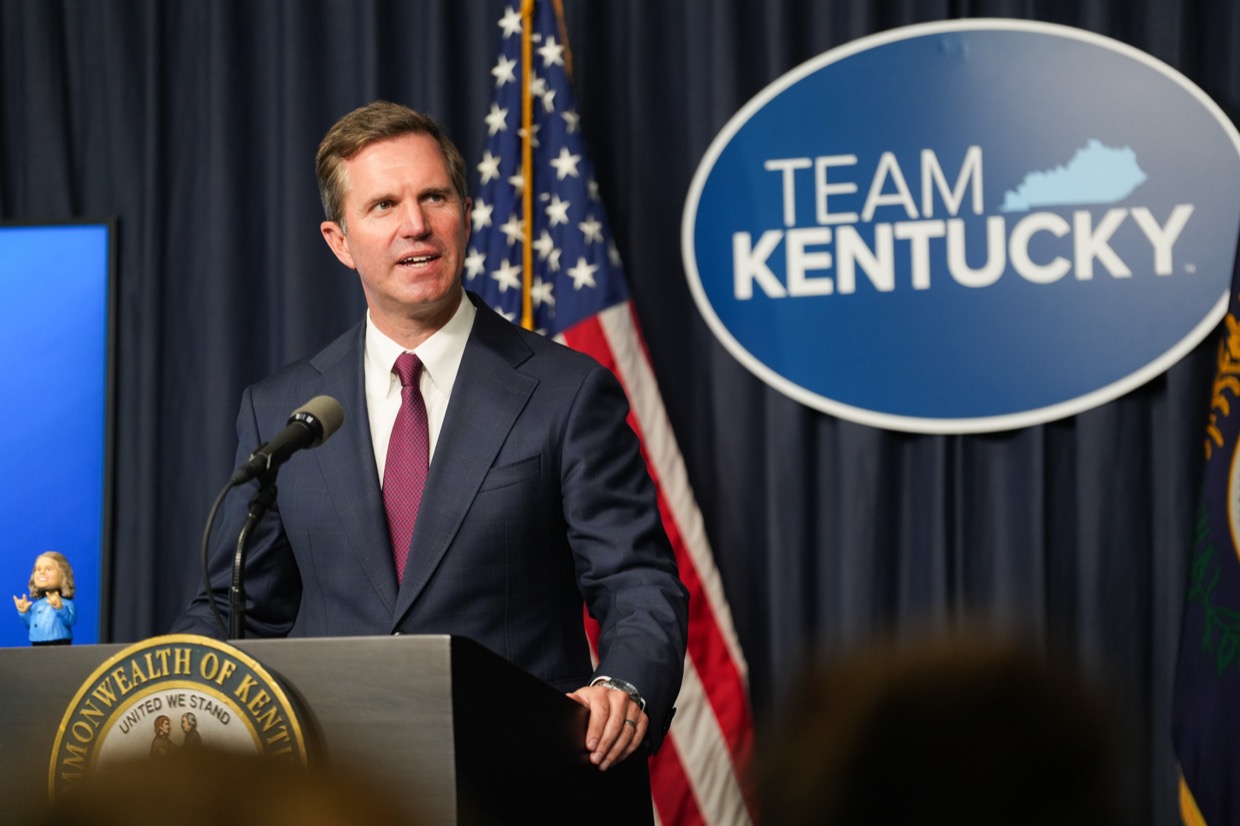
Photo: Office of the Governor of Kentucky, public domain
The envelope
The letter comes from 500 Mero Street in Frankfort, and the state's own page puts it plainly: relief is automatic, and the letter is your notice that the debt has gone. There is nothing to fill in and nothing to post back, which is why most of the 46,000 people in it knew nothing about any of it until the envelope showed up in the mailbox.
That first wave clears $100m on its own, and the rest follows until it reaches the $250m that Beshear's order set aside.
Photo: UK College of Agriculture, CC BY 2.0, via Wikimedia Commons
A hundred to one
Medical debt is cheap to buy because almost nobody expects it to be paid, so hospitals and collection agencies sell it off in bundles well under face value, and whoever buys those bundles makes their money chasing whatever they can get. Undue Medical Debt buys the same bundles at the same prices and then writes them off instead, which is how $2.5m of state money turns into $250m of cancelled debt, a hundred dollars gone for every dollar Kentucky spends.
Undue has done this in Arizona, Illinois and North Carolina among others, and says it has now cancelled more than $49bn of debt across the country, according to Kentucky Today.
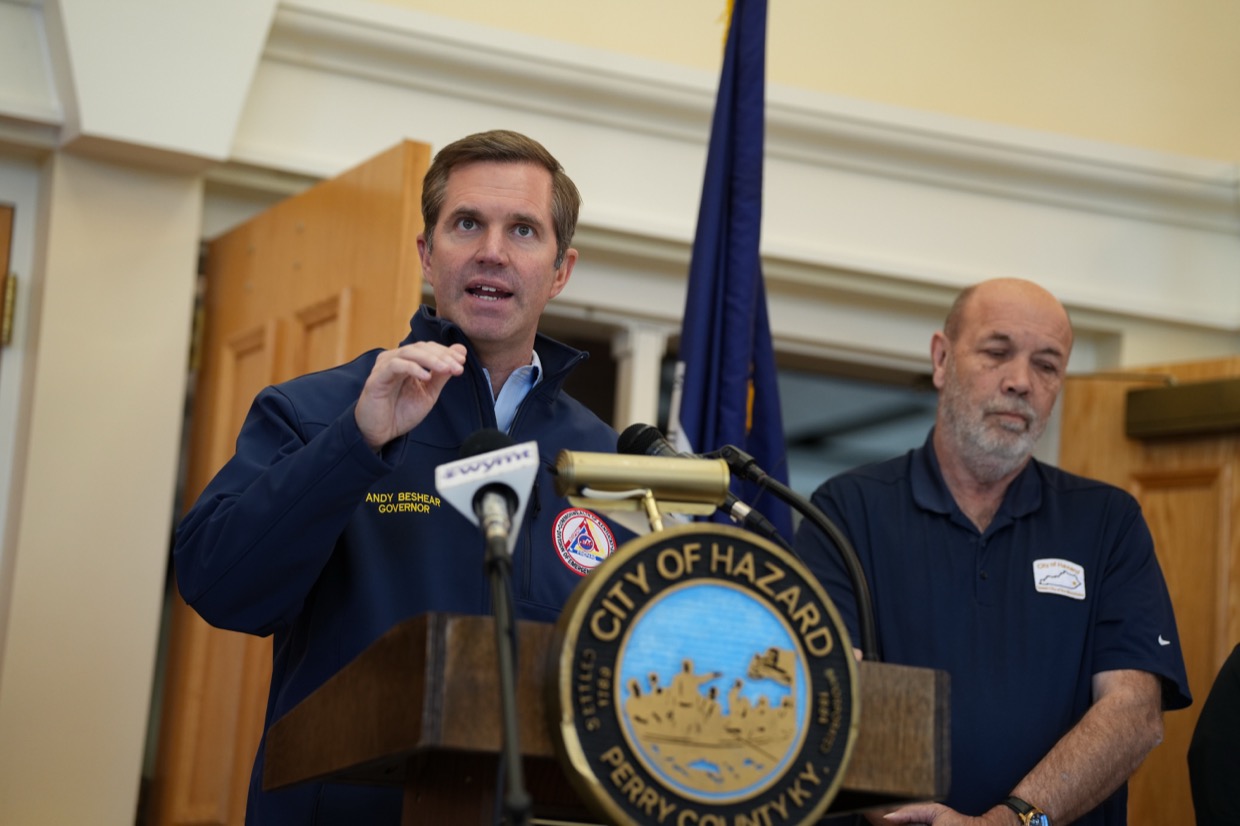
Photo: Office of the Governor of Kentucky, public domain
What a hospital bill does to a life
One in five Kentuckians owes money on a hospital bill, and two thirds of every personal bankruptcy in America starts with health care, prescriptions, a surprise bill or a job lost to illness. As little as $500 of medical debt is enough to take 20 to 60 points off a credit score.
Sixty points is the gap between a mortgage and a no, and the gap between a car loan at an ordinary rate and one that costs thousands more before it is paid off.
“Medical debt isn’t a choice,” Beshear said when he signed the order on 15 September. “It’s what people are faced with after a serious accident, cancer diagnosis and more. Relieving this debt is the right thing to do to help Kentuckians who are overwhelmed by these extreme costs, which can cripple families for years, if not a lifetime.”
What the letter actually means
The state publishes an FAQ underneath the programme, and it answers the things somebody holding that envelope would want to know. There are no strings, the debt has been bought and cancelled for good, and nothing needs signing. There is no tax to pay either, because in law it counts as a gift from a stranger with nothing to gain.
Undue found these people through a soft credit inquiry, which is how a charity cancels a debt for somebody who never asked, and those inquiries sit on your own credit report where nobody else can see them and your score does not move.
The FAQ is blunt about the limits. A single hospital stay can throw off several separate bills and Undue can often only buy some of them, so a letter cancelling one debt says nothing about the rest. It also warns that it may never manage to buy debt in Kentucky again.
By the time that FAQ was written, more than 46,000 Kentuckians had been cleared of over $103m of medical debt.
Photo: US Department of Homeland Security, public domain
Where the money came from
The $2.5m comes out of state housing funds, which Kentucky Public Radio reported and the governor's press release did not mention. It is the same money that puts roofs over people's heads, and that sits awkwardly against Beshear's own case for the programme: medical debt wrecks the credit scores families need to buy a home.
Executive Order 2026-600 tells the Secretary of the Finance and Administration Cabinet to move the money, and the legislature does not get a vote on it.
The rest of the letters go out over the coming months, until the $250m is spent.
Carry a story in five words
We run a game called Long Story Short: one real news sentence a day, and you keep the five words that carry it. Today's is below. Do play.
How to play
One real news sentence. The job is to keep the five words that carry the story and let the rest go, then guess. Blue means the right word in the right place, orange means it is one of the five but sitting somewhere else, and grey means it is not one of them. Five tries. The result beats the process, the name or the job beats the place, and little words like a, the and of never count.
Yesterday: A man walked into Concord Public Library and handed back a magazine the library had lent out in 1894. The five: man returns magazine borrowed 1894.