An orphaned walrus calf, alive among the dead, followed researchers back to camp
On a remote beach in Alaska, a student photographing dead walruses saw that the smallest one was still alive. The orphaned calf followed her and a scientist all the way back to camp.
10 November 2026
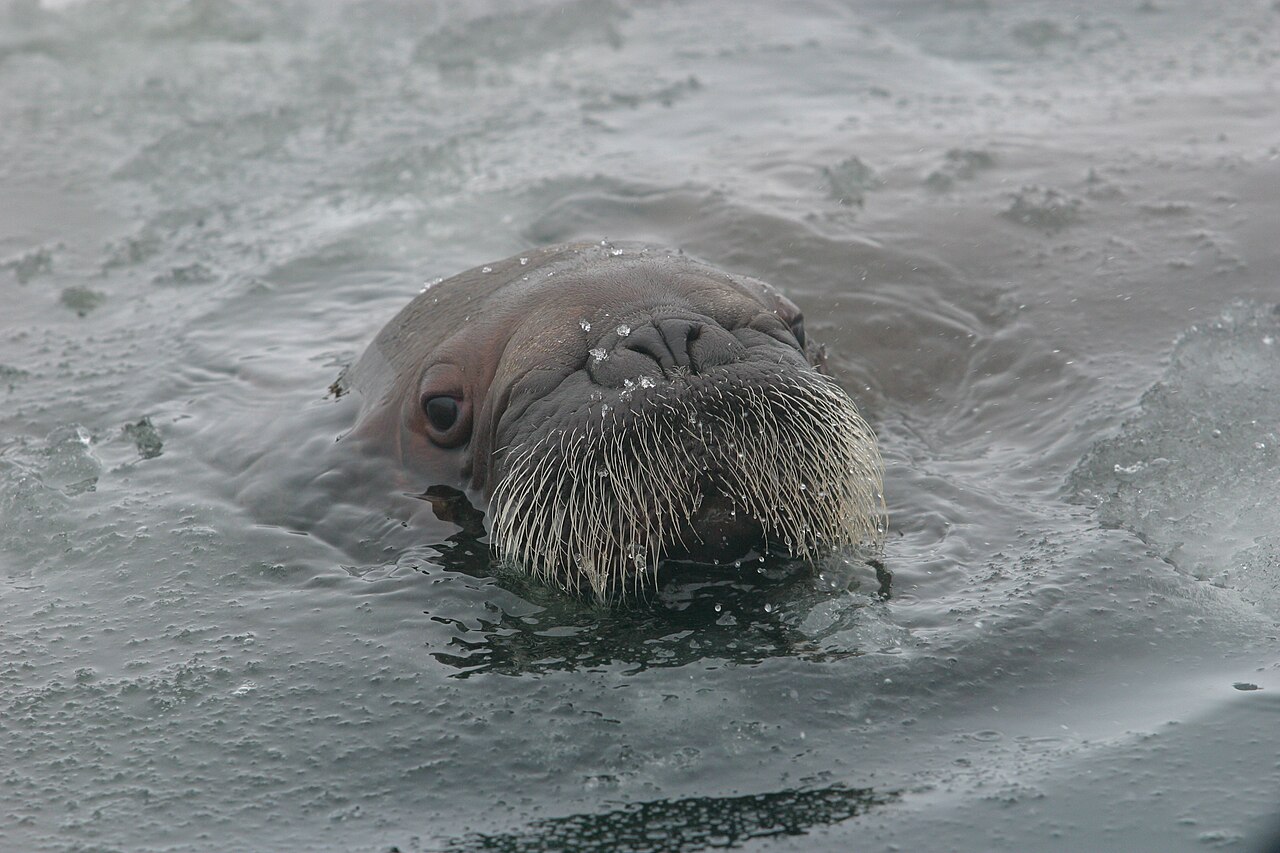
In September, Violet Anniskett, a college student helping with walrus research, was on a beach at Point Lay, Alaska. A storm had moved the herd away. She was photographing the dead walruses left behind for a study.
The smallest one was not dead. It was a calf, tucked between two adult bodies. Birds circled overhead, and there were fresh bear tracks nearby.
The walk
She was working with Tony Fischbach, a scientist with the US Geological Survey. They set off back to camp, and the calf came too.
“We walked him all the way to our camp. Somehow, some way, he followed us all the way,” she said.
The first night in the cabin was the hardest, because he was scared of them. Then he got used to them. He would come over, lie down beside them and fall asleep.
Annautaq
They looked after him for nearly four days. Then the Alaska SeaLife Center took him in. It has cared for only about a dozen orphaned walrus calves since 1998.
He was named Annautaq, which means axe in Inupiaq. Nobody knows when he last saw his mother, so he cannot go back to the wild. He now lives at SeaWorld Orlando, 4,000 miles away, with three other walruses.
Carry a story in five words
We run a game called Long Story Short: one real news sentence a day, and you keep the five words that carry it. Today’s is below. Do play.
How to play
One real news sentence. The job is to keep the five words that carry the story and let the rest go, then guess. Blue means the right word in the right place, orange the right word in the wrong place.
Yesterday: Out looking for birds that had flown into downtown windows, a Toronto volunteer stooped to help what looked like a mouse and found it was an endangered bat. The five were Toronto volunteer found endangered bat.