Virginia is sealing about 415,000 criminal records, and nobody will get a letter
Virginia’s Clean Slate Act reached full effect on 1 October. The state’s own systems now find eligible records and close them to public view with no application, no fee and no hearing, and about 415,000 people are expected to qualify. None of them will be told.
2 October 2026
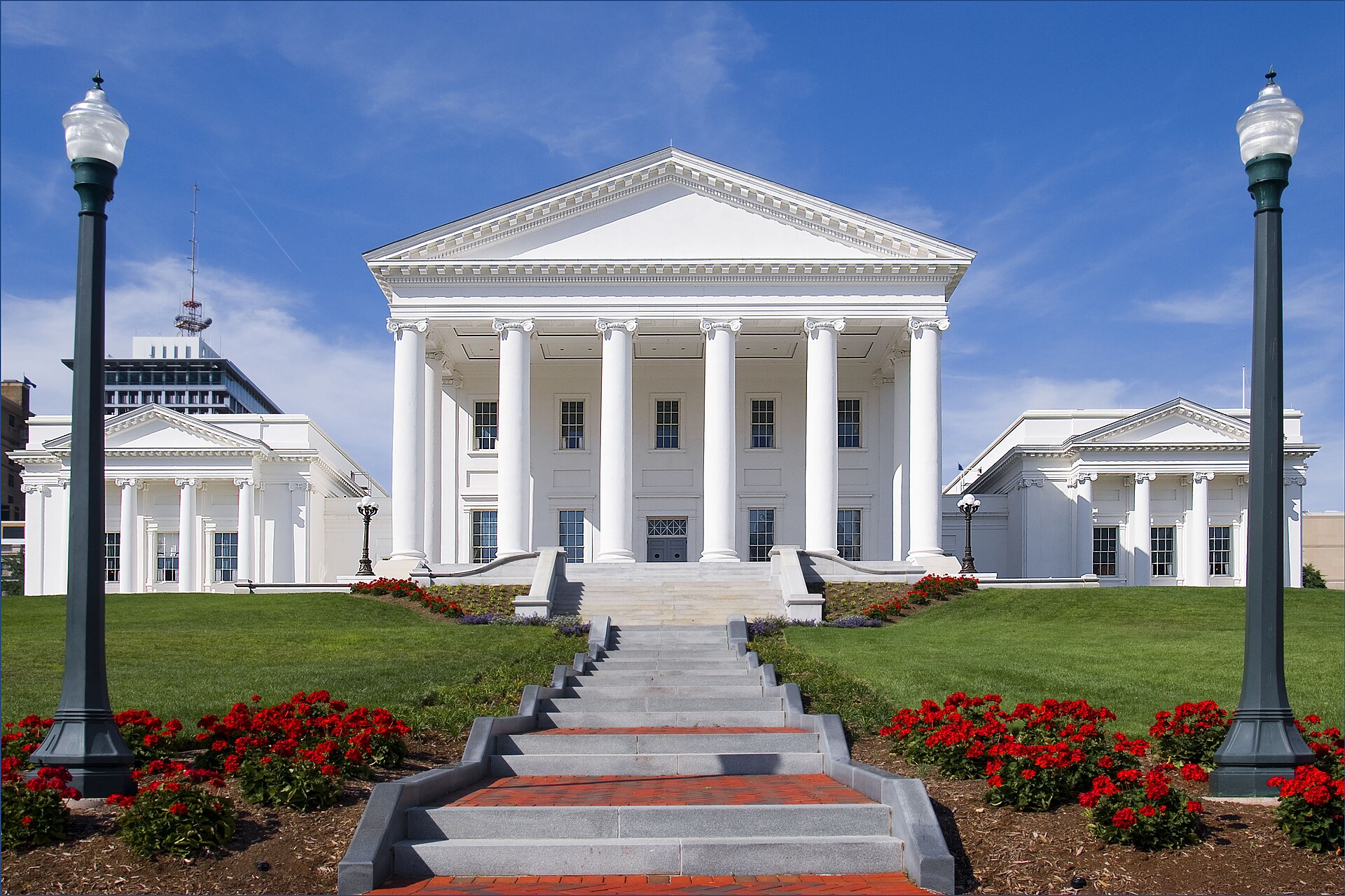
Photo: Ron Cogswell, via Wikimedia Commons, CC BY 2.0
The Act passed in 2021 and arrived in stages. From 1 July, Virginians could petition to seal a conviction, which had not been possible before in the commonwealth. From the first of October the sealing runs automatically, with the state identifying eligible records itself.
Nobody is notified. There is no letter and no email, and the rollout may take a couple of weeks before anything shows. Bryan Kennedy, board chair of Justice Forward Virginia, says people should check for themselves. “Don’t assume it was sealed. Don’t assume it wasn’t sealed. Get on the website first and check.”
Twenty-two years
Sheba Williams runs No Left Turns. Her record followed her for more than two decades, cost her a hospital job, left her without a barber’s licence for sixteen months, and during her arrest her children were placed temporarily with Child Protective Services. It was not a conviction that did it.
“Virginia’s background check is your arrest record, not just your conviction record,” she said. “So it can be a thing that you were not found guilty of that keeps you from housing, employment, education, volunteer efforts, custody battles.”
She filed in July and is now in the last steps, waiting for the state police to take it out of public view. “22 and a half years later, I got my name back and I don’t have to answer to the question about one moment in time.”
What a record does to a life
About 1.4 million Virginians have an arrest or conviction record, most often an old arrest, an acquittal or something minor, and it comes up on background checks for jobs and flats and in custody proceedings years after a sentence has ended.
The old route out was a petition, which meant working out whether you qualified, gathering court records, filling in paperwork and often appearing in court, usually without a lawyer. Most people entitled to relief never got it, because the process itself was the obstacle. Where sealing does happen, wages rise by about 23% within a year, after accounting for what someone was earning before.

Photo: Ser Amantio di Nicolao, via Wikimedia Commons, CC BY-SA 4.0
What gets sealed
All marijuana possession records go automatically, including convictions, deferred dismissals and non-convictions. For a misdemeanour, a person generally has to have been conviction-free for seven years.
Courts, prosecutors and the police keep their access for investigations and sentencing, so a sealed record is closed to the public rather than deleted. Further changes take effect on 1 December, widening who can petition and allowing dismissed traffic infractions to be expunged.
Who wrote it
The law came from a Democrat and a Republican working together, Charniele Herring and Carrie Coyner, and was signed by Ralph Northam. It was not a love-in. It passed the House 58 to 41 and the Senate 21 to 17, and its original start date of July 2025 slipped by a year before any of it took effect.
The copies already made
A sealing order changes the court’s files. It does not reach the private background-check companies and data brokers that copied those files earlier, and nothing requires anyone to tell them. They receive no automatic update, some refresh quarterly, and some do not re-check against the court record unless somebody disputes an entry.
So a record can be sealed in Richmond and still sit in a commercial database months later, and a background check can show a case the state has already closed. Clearing that means finding each company and asking separately. A sealed record is grounds to dispute an entry, but only for someone who knows it has been sealed, and Virginia is not telling the 415,000 that anything has happened.
Carry a story in five words
We run a game called Long Story Short: one real news sentence a day, and you keep the five words that carry it. Today’s is below. Do play.
How to play
One real news sentence. The job is to keep the five words that carry the story and let the rest go, then guess. Blue means the right word in the right place, orange the right word in the wrong place.
For example: Seventy volunteers took turns on the sand through the night and saved 229 of the baby turtles that the beach lights were pulling towards the road. The five were volunteers saved 229 baby turtles.