Libby Houston found trees nobody knew were there, and in her eighties she is still going up the cliffs to save them
There are ten Fay’s whitebeam trees in Cheddar Gorge and Burrington Combe, and nowhere else in the country. Volunteers are climbing to them to collect seed, because none has ever been banked and none grows in any garden. One of the climbers is Libby Houston, who is in her eighties and has a whitebeam named after her.
1 October 2026
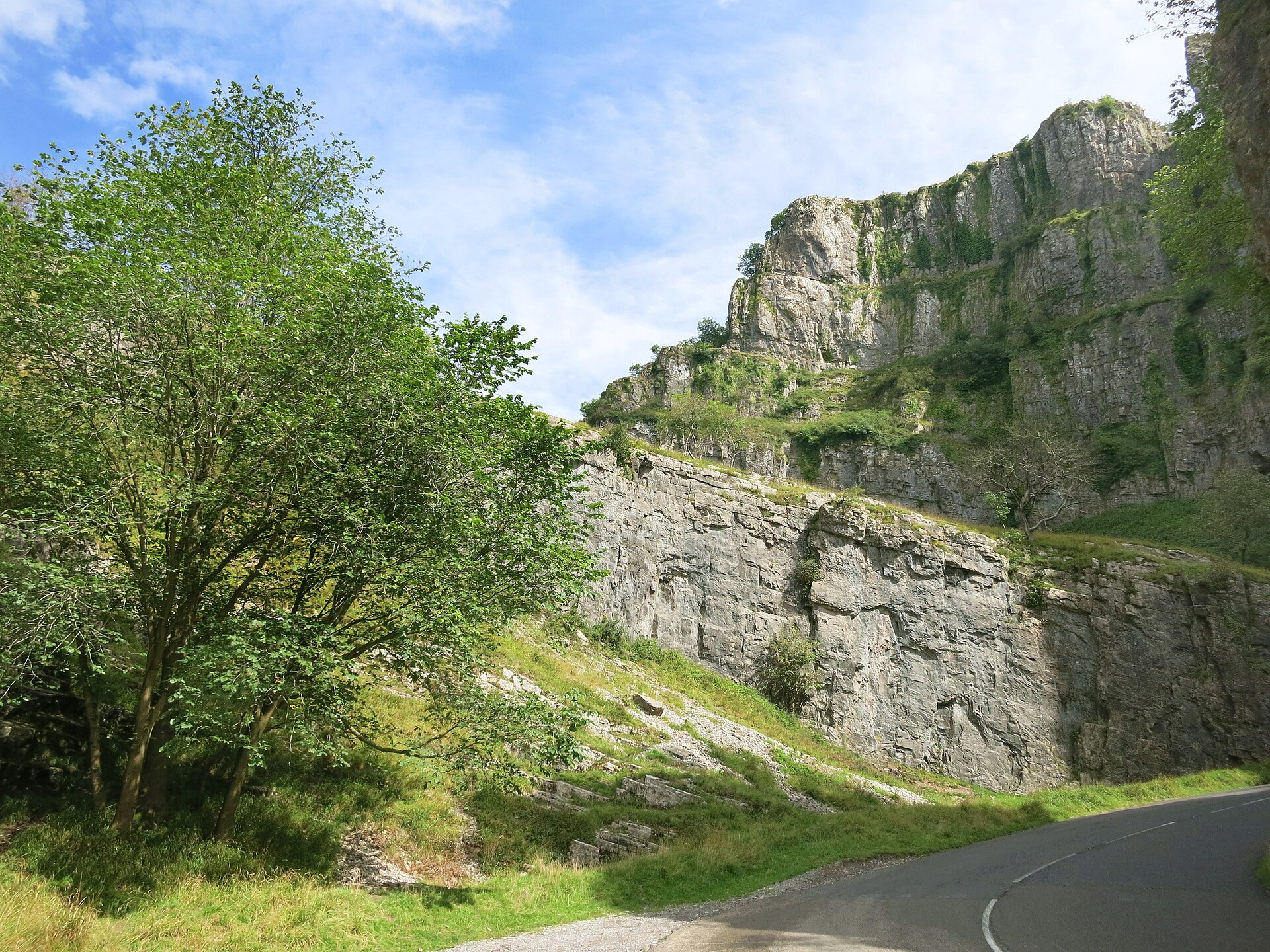
Photo: Des Blenkinsopp, via Geograph and Wikimedia Commons, CC BY-SA 2.0
Ten trees of one species grow on the cliffs of Cheddar Gorge and Burrington Combe in the Mendip Hills, and nowhere else in the country. They are Fay’s whitebeams, and this autumn a group of volunteers has been climbing up to them to take seed, working with Westonbirt Arboretum in Gloucestershire. The gorge has feral goats and Soay sheep on it, and the climbers go up past them.
Rosie Anderson, tree conservation manager at Westonbirt, explained why they are bothering. “There are no banked seeds, and no trees growing in gardens,” she said. If something happened to the ten, there would be nothing to go back to. She wants material in a botanic collection “just in case anything happens and we can potentially re-introduce them in the future”. The trees are among twenty-one across Britain and Ireland listed as critically endangered when the IUCN updated its Red List in July.
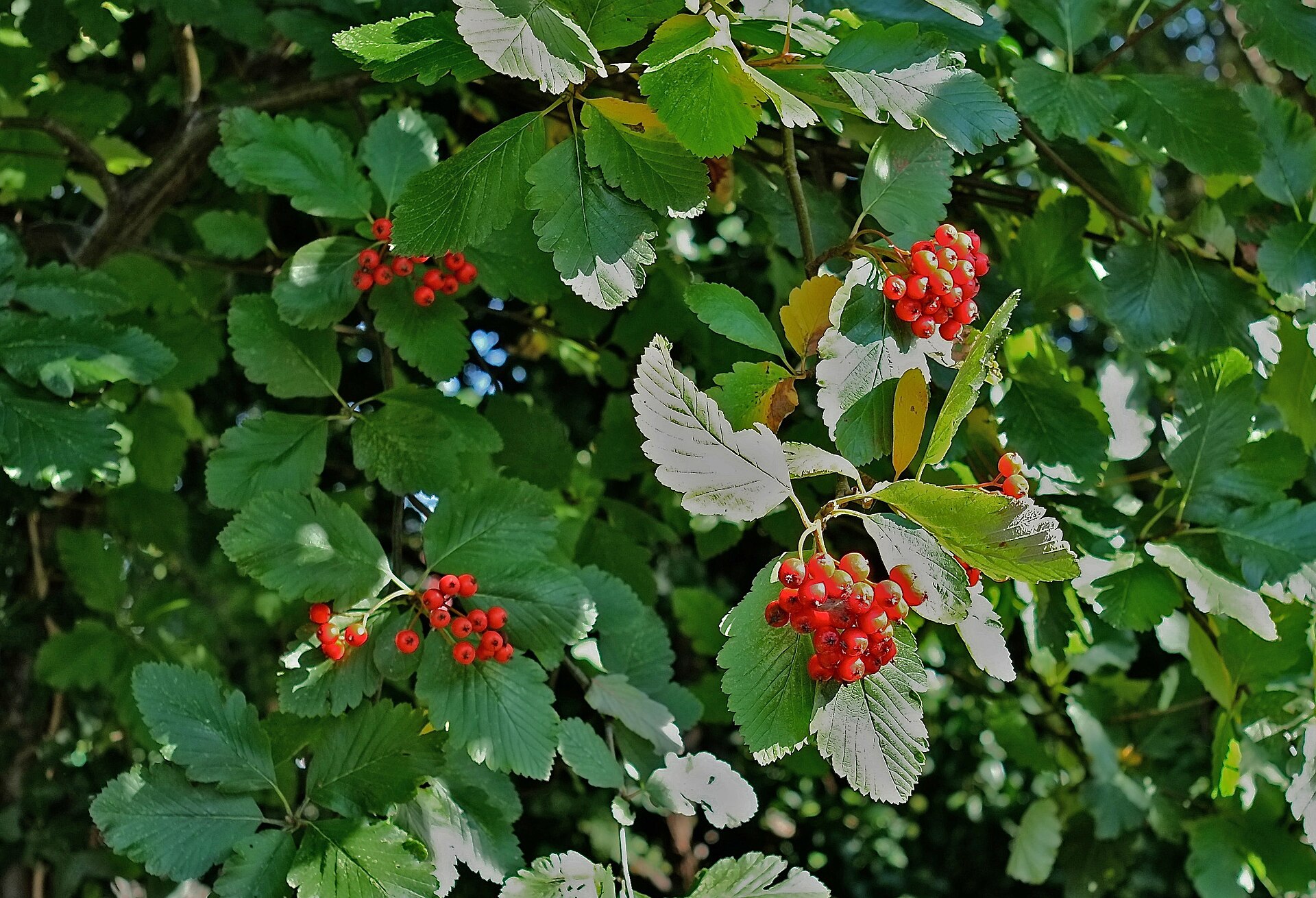
Photo: Anthony O’Neil, via Geograph and Wikimedia Commons, CC BY-SA 2.0
The woman on the rope
Among the volunteers going up the cliffs is Libby Houston, who was born in 1941 and who said she has to work at keeping up with the younger ones. “I’m lucky, my sense of balance could go but it hasn’t yet. Touch wood,” she said. On the trees themselves she was blunter: “[If] there’s a disease around, it is a worry. They could be wiped out and that could be the end.”
She is a poet. Six collections, from A Stained Glass Raree Show in 1967 to All Change with Oxford University Press in 1993, and she has been reading on BBC radio for children since the early 1970s. She is also, separately and for decades, a botanist, a research associate at the University of Bristol, and the reason she was useful to the botanists is the same reason she is useful on this job: she can climb, so she could reach plants on the Avon Gorge that nobody else could get to.
Going up cliffs with a rope and a sharp eye, she found trees that had never been described. Three of the new whitebeams named in 2009 were ones she found in the Wye Valley. Another, which she found on a cliff in the Avon Gorge in the mid-2000s, was named after her: Sorbus × houstoniae, Houston’s whitebeam. Exactly one of it is known to exist, and you need ropes to get to it.
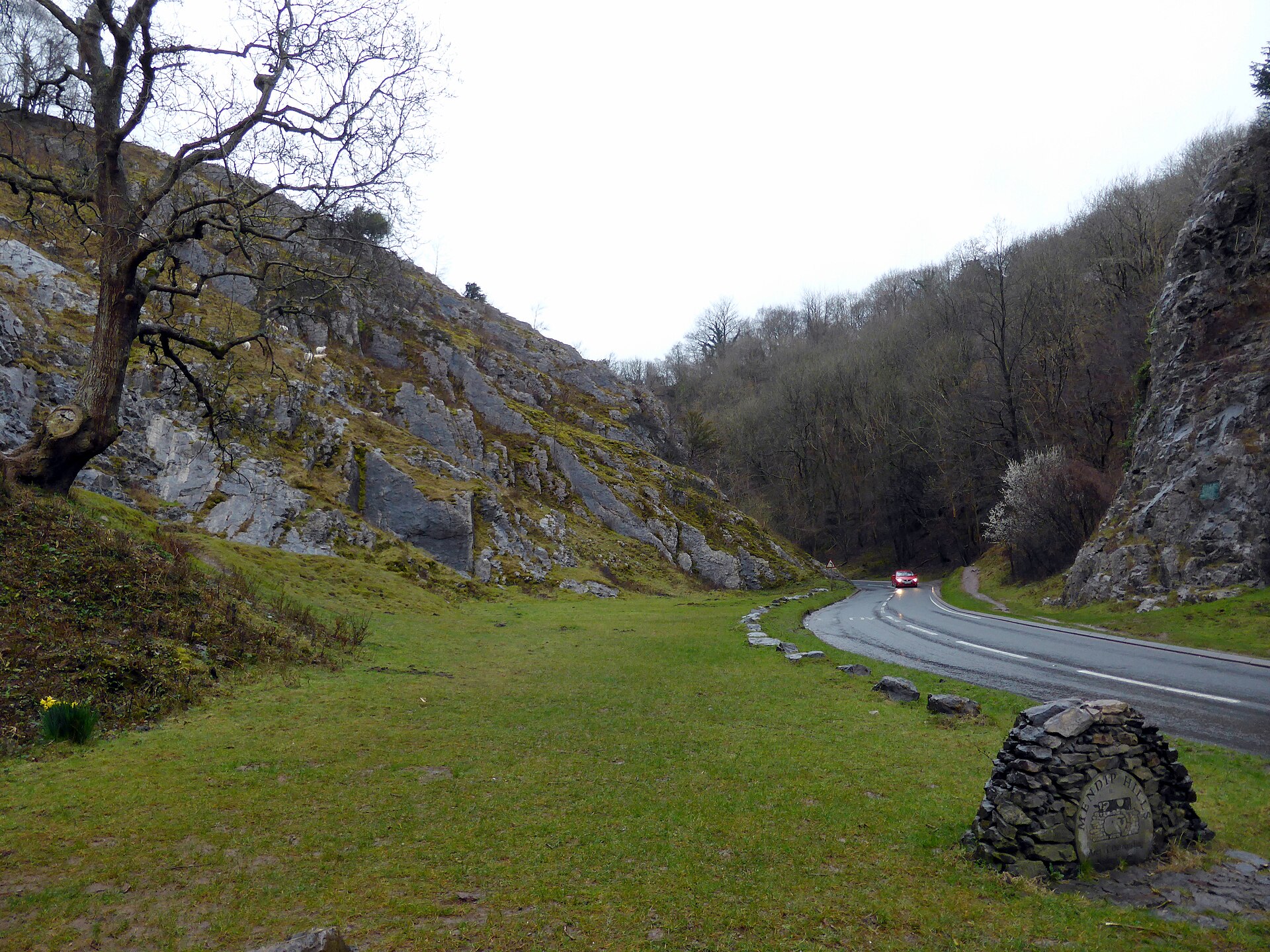
Photo: Paul Farmer, via Geograph and Wikimedia Commons, CC BY-SA 2.0
Why a tree gets a name
Fay’s whitebeam is named after Michael Fay, a botanist at Kew. Houston’s is named after the woman who was on the end of the rope. The Linnean Society gave her its H. H. Bloomer medal in 2012, an award that goes to an amateur naturalist who has made an important contribution to knowledge, and the Marsh Botany Award followed in 2018.
The seed being collected this autumn goes back to Westonbirt’s botanic collection. The ten trees stay where they are, on the ledges, with the goats.
Carry a story in five words
We run a game called Long Story Short: one real news sentence a day, and you keep the five words that carry it. Today’s is below. Do play.
How to play
One real news sentence. The job is to keep the five words that carry the story and let the rest go, then guess. Blue means the right word in the right place, orange the right word in the wrong place.
For example: Seventy volunteers took turns on the sand through the night and saved 229 of the baby turtles that the beach lights were pulling towards the road. The five were volunteers saved 229 baby turtles.