Why we keep going with things we would happily leave, from a bad film to a supersonic jet, and the one question that lets you walk away with a clear head.
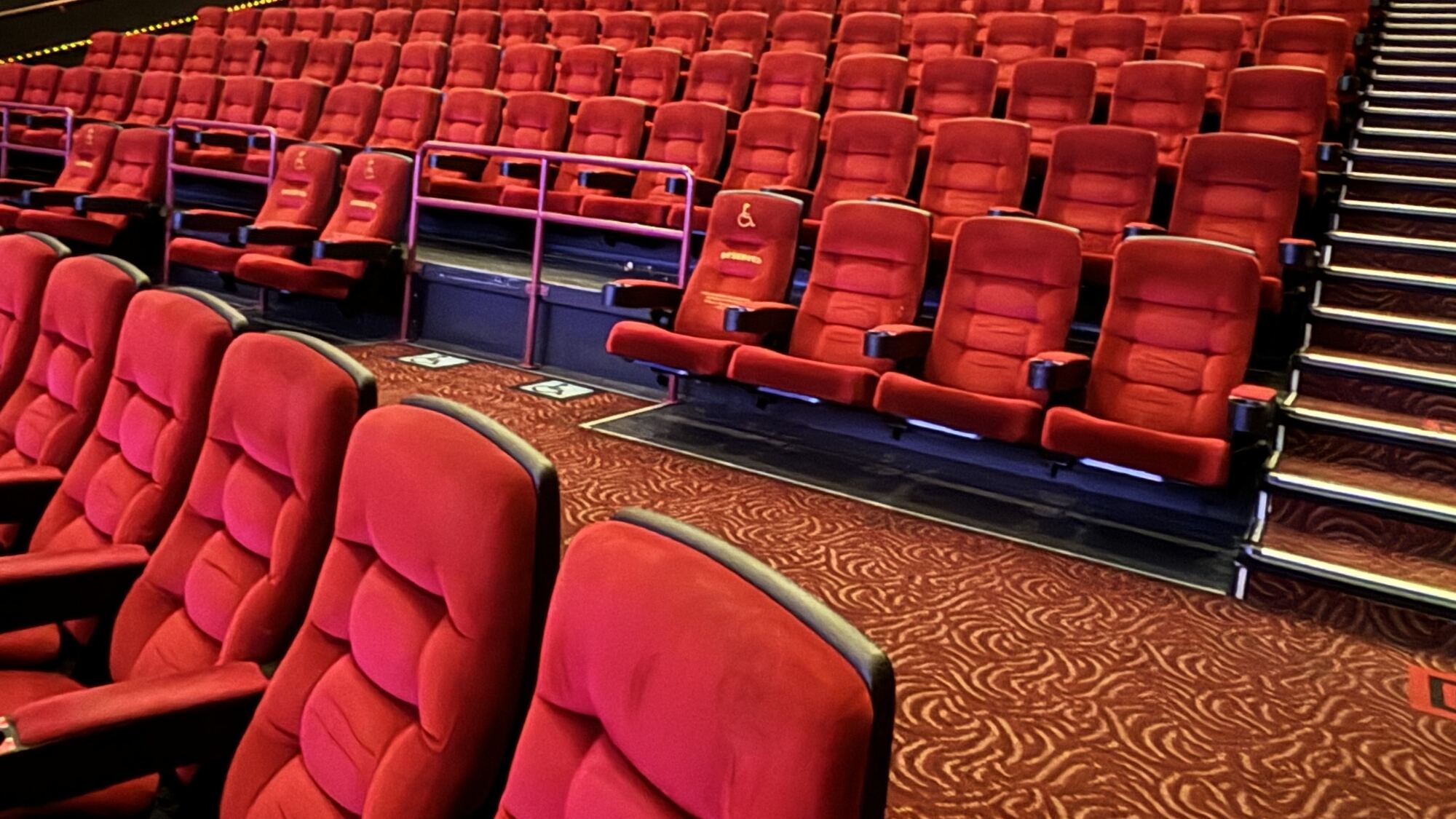
A cinema in Century City, Los Angeles.Alexis Doine, CC0
The name sounds like something from an economics exam, but it describes one of the most ordinary things people do, and once you have the two halves of it straight you will start spotting it in your own week and in the news.
Sunk costMoney, time or effort you have already spent and cannot get back.It is called sunk because it has gone to the bottom like a ship, and nothing you choose from today can raise it again, whichever way you go next.
The fallacyLetting what has sunk decide what you do next.It is the feeling that you have to keep going so that the earlier money or years were not wasted, even when going on costs you more than stopping would.
In plain words, once money or time is spent it is spent whichever way you go, so the only question worth asking is whether what is left is worth it.
One bad evening, step by step
The easiest way to see it is to sit through one bad evening at the cinema, so scroll on and watch what happens to the money and the minutes as the decision arrives.
A two-hour film, minute by minute
$15Cinema ticket
0 min40 min120 min
The next 80 minutes, the only part you can still choose
Sunk
Spent whichever way you go
The same evening, written out as two bills
If you stay
$15 ticket$0 ticket, a gift
40 minutes already watched
80 more minutes of a film you are not enjoying
If you leave
$15 ticket$0 ticket, a gift
40 minutes already watched
80 minutes back for dinner, a walk or an early night
It is Friday night and you have paid $15 for a ticket to a two-hour film.
Forty minutes in, you already know it is bad, because none of the jokes have landed and the person next to you has been checking their phone since the trailers ended. Do you stay or leave?
Before you answer, look at what you have already spent. The $15 and the forty minutes are gone whether you stay or go, so they sink, and nothing you decide tonight can bring them back up.
What is left above the water is the only thing you are actually choosing, which is how to spend the next eighty minutes.
Write the choice out as two bills, one for staying and one for leaving, and put everything on them.
The ticket and the forty minutes appear on both bills, and anything that sits on both sides of a choice cannot help you choose, in the same way that the same weight in both pans of a scale does not tip it. Cross them out and what is left is the whole decision.
Now try the free-ticket test by imagining that a friend gave you the ticket, and notice that nothing else on either bill changes, so the right answer cannot change either, which means that if you would walk out of a free film but sit through a paid one, the $15 was making the decision for you.
It turns up every day
The cinema is the classic example, but the same pull shows up at lunch, in a queue, in your bank statement and in the garage, and each time the fix is the same, which is to cross out what has already gone and look at what is still in front of you.
Four everyday versions of the same choice
In each one, the crossed-out line is spent either way and the green line is what is still yours to decide.
The third plate
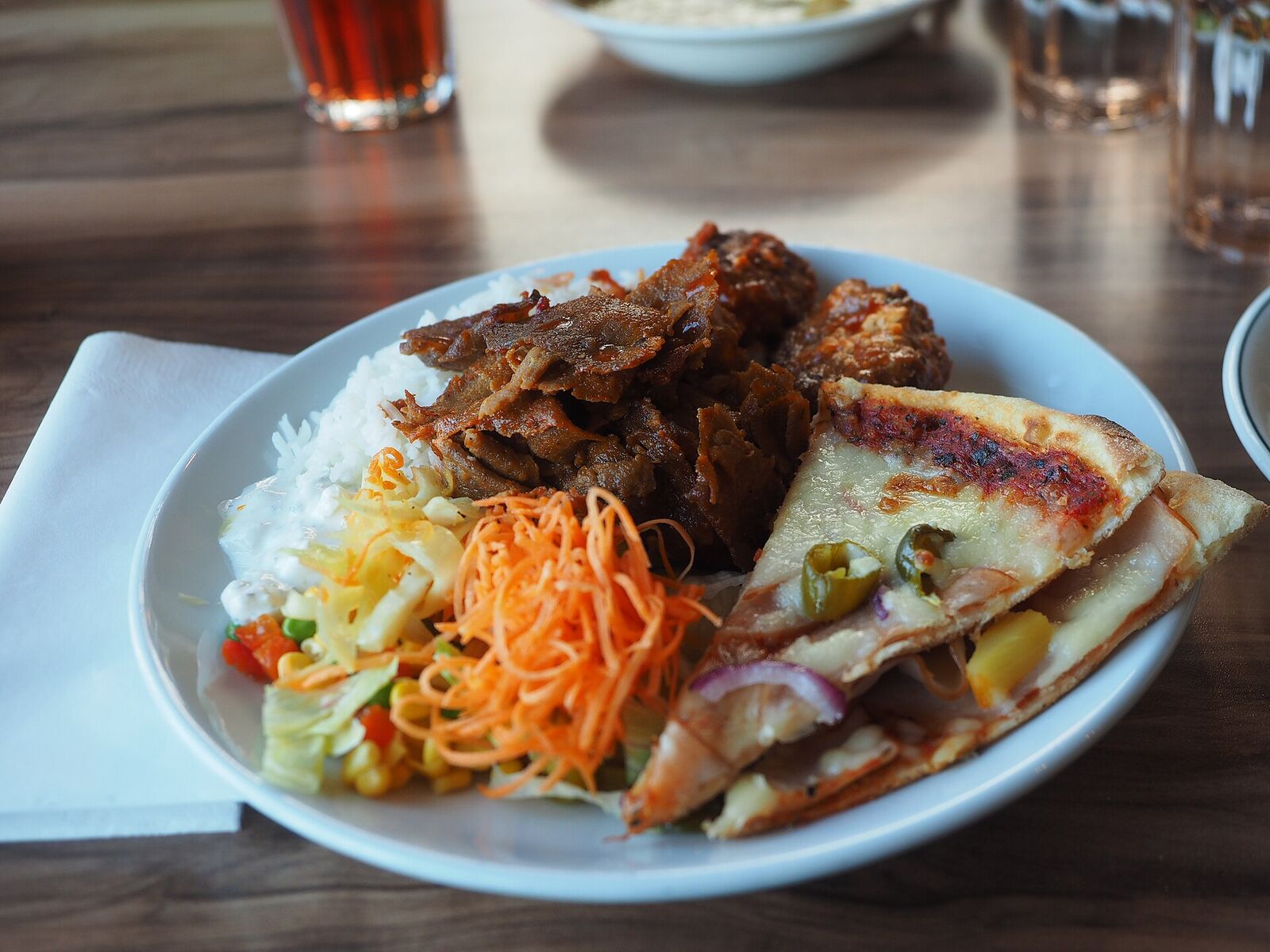
JIP, CC BY-SA 4.0
You paid $30 at the buffet and were full after two plates, but go back for a third to get your money's worth, although the bill was $30 whether you ate one plate or four.
$30 paid at the door
How you feel on the drive home
The slow queue
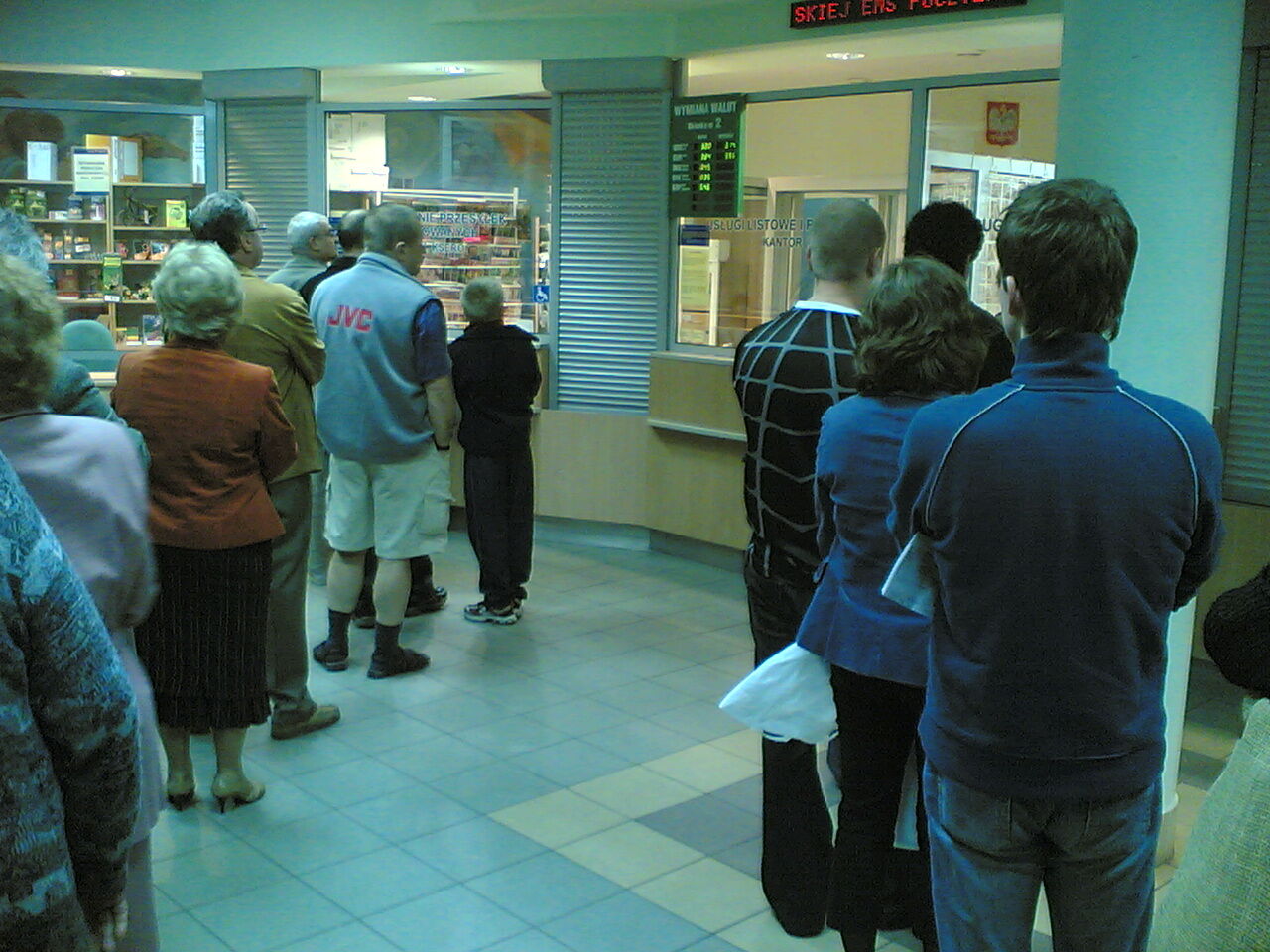
Szymon, CC BY 2.0
Twenty minutes into a post office queue a new counter opens, and you stay put so the wait was not for nothing, although it is spent in either line.
Twenty minutes already waited
How long it takes from here
The gym you stopped using
J
F
M
A
M
J
J
A
S
O
N
D
11 visits for $480, or $43.64 each
An example year
You paid $480 in January, went eleven times and stopped in March, and renewing so that the $480 does not feel wasted will not get any of it back.
$480 and the year that has gone
Next year's $480
The car that keeps breaking
Repair it
$2,400 spent
pay $1,800 more
keep this car
Sell it
$2,400 spent
get today's price
buy another
An example
After $2,400 of repairs the mechanic wants $1,800 for the gearbox, but a buyer pays for the car as it stands today and the $2,400 is nowhere on that price.
$2,400 of repairs this year
$1,800 more, or a different car
Why your brain does it
None of this means people are foolish, because the pull comes from habits that usually serve us well, and it helps to know which of them is talking when you feel you cannot walk away.
A loss weighs about twice as much as the same gain
How strongly people feel the same $100, roughly
Losing $100
Winning $100
Based on Daniel Kahneman and Amos Tversky's studies of loss aversion, where people usually wanted the chance to win about twice what they might lose before they would accept a coin-flip bet.
Losses sting more than gains please
Walking away turns a quiet loss into a real one you have to admit to, and because a loss weighs about twice as much as the same gain, staying feels safer even when it costs more.
Nobody likes waste
Most of us were raised to finish our plates and look after our money, which is a good instinct pointed at the wrong thing here, because staying does not un-waste anything that has already gone.
We want to look consistent
Quitting can feel like telling everyone, and yourself, that the first decision was a mistake, so people keep going to protect the story of who they are rather than to get anything out of what comes next.
Hope is cheap
There is always a chance it gets better, and sometimes it does, which is why the pull is so convincing, since one good second half is easy to remember and the ten bad ones before it are easy to forget.
Mice do it too
In 2018 a team at the University of Minnesota published a study in Science that gave mice, rats and people the same kind of task, where each of them waited for a reward, food pellets for the animals and short videos for the humans, and could give up at any point and try somewhere else.
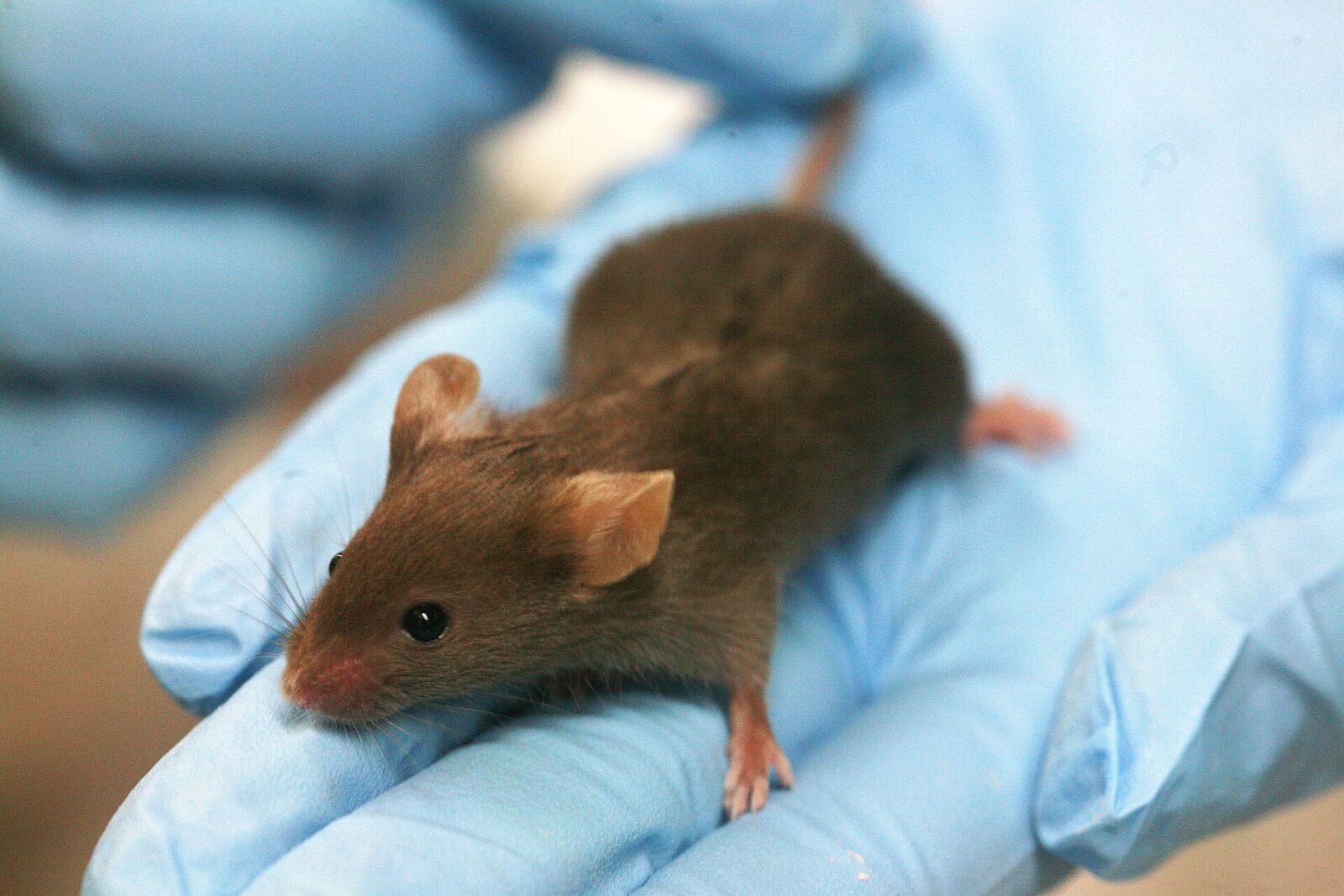
A laboratory mouse.Rama, CC BY-SA 2.0 FR
All three species were more likely to keep waiting once they had already put time in, and the longer they had waited the stronger the pull became, which suggests this is something very old in how animals value effort rather than a quirk of people who have read too few economics books.
How a small loss grows into a big one
A bad film costs you one evening, but the same habit gets far more expensive when it repeats, because every new payment made to rescue the old ones becomes one more thing you cannot bear to waste, and in 1976 the psychologist Barry Staw gave the spiral a name, escalation of commitment, in a paper he called "Knee-deep in the big muddy".
The spiral, in four steps
1You put money or time into a plan.
2It starts to go badly.
3Stopping would mean admitting the first part was lost.
4So you put in more to make the first part worth it.
and back to step 2, with a bigger pile behind you
The most famous example flew at twice the speed of sound
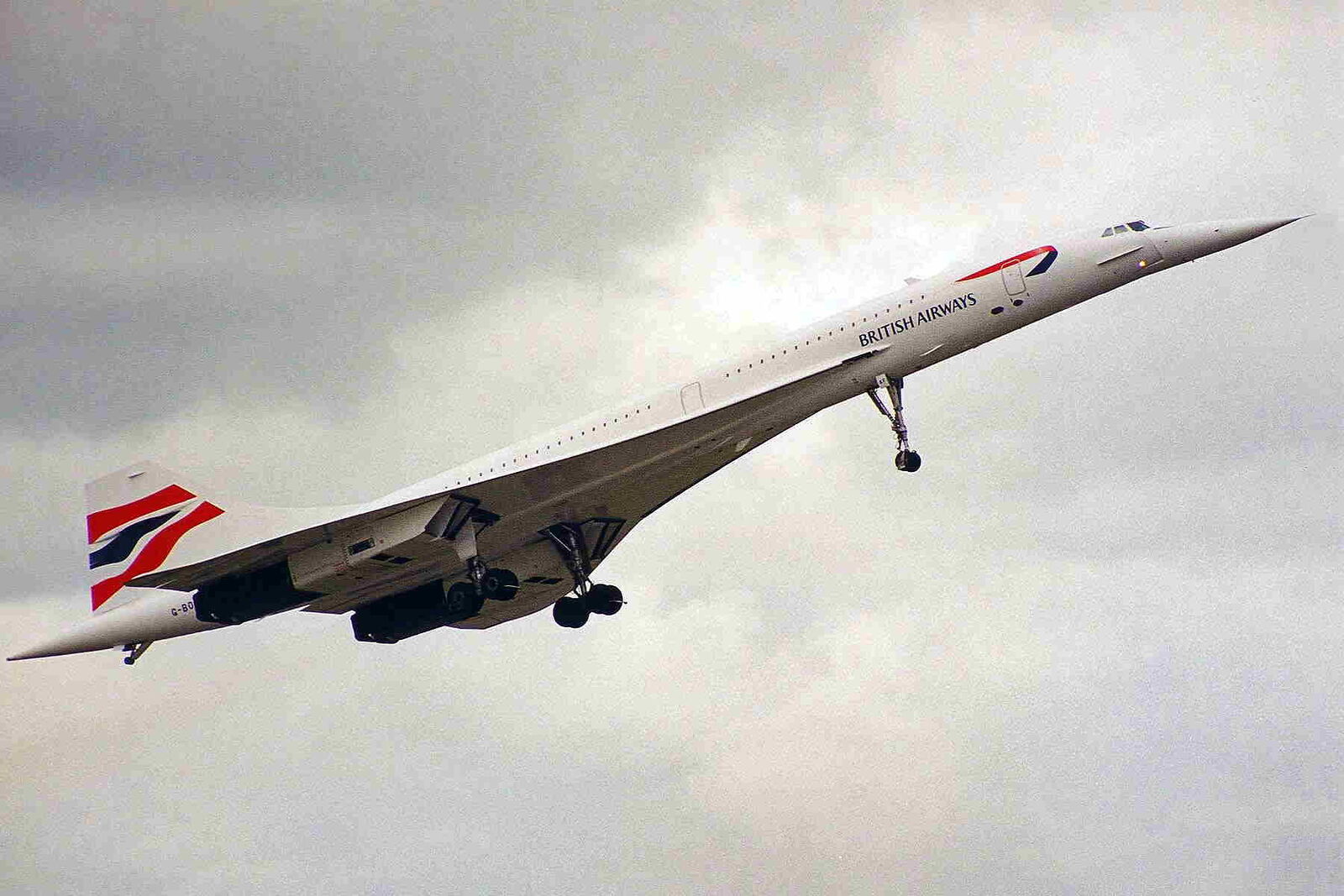
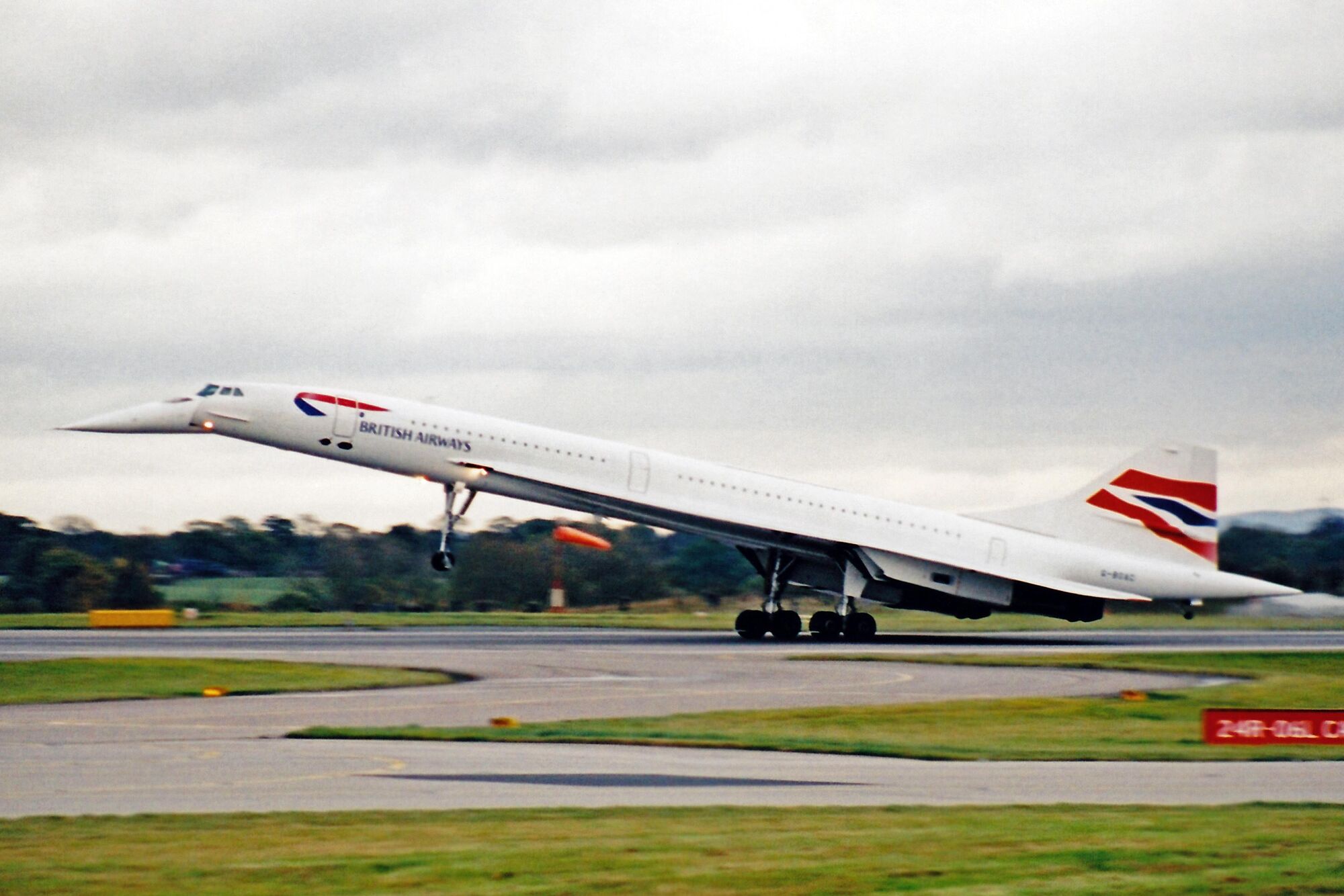
Concorde is one of the most loved machines ever built, and it is also the reason biologists have a second name for this habit, because the plane itself was a marvel and the trouble lay in the reasons two governments gave for paying to keep it going.
Concorde G-BOAF at Manchester, June 1999. Ken Fielding, CC BY-SA 3.0
1962Britain and France sign the agreement to build it, with development put at roughly £150 to £170 million, no ceiling on costs and no clause for getting out.
1964A new British government decides the plane is too expensive and tries to withdraw, and its lawyers find the deal is a full international treaty, while France is furious.
1969The attorney general judges that walking away carries a fifty-fifty chance of costs Britain could not accept if France took it to court. That penalty was a real future cost and fair to weigh, but the argument that kept winning in public was about how much had already been spent.
1973The development estimate passes £1,000 million while airline after airline cancels its options to buy the plane.
1962~£160m
1973£1,065m
1976Passenger flights begin in January, and in the end twenty Concordes are built, with only British Airways and Air France ever owning and running a fleet of them.
2003The last passenger flights end in 2003, and one later study by an economist at Kyoto University argued that carrying on had cost Britain more than paying the penalty to leave would have.
20Concordes built, counting prototypes and test aircraft
2airlines that ever owned and ran a fleet
27years in passenger service, 1976 to 2003
Development costs are for Britain and France combined, at the prices of the day, so they are not adjusted for inflation, which the same source puts at about a third of the rise; the 1962 bar is the middle of the £150 to £170 million range. Sources: Thayer Watkins, San José State University; Duxford Aviation Society; The National Archives.
In 1976 the biologists Richard Dawkins and Tamsin Carlisle wrote a paper in Nature about why animal parents do not abandon young they have already invested in, and they called the mistaken version of that reasoning the Concorde fallacy, which is why the name still turns up in biology textbooks today.
What happened when psychologists tested it
In 1985 Hal Arkes and Catherine Blumer of Ohio University ran a set of experiments that are still the standard reference on this, and the first was a single question they gave to college students in Ohio and Oregon, which you can answer yourself before you see what the students said.
You have spent $100 on a weekend ski trip to Michigan. Several weeks later you buy a $50 ticket for a weekend ski trip to Wisconsin, which you think you will enjoy more. Then you notice both trips are on the same weekend, and you cannot sell or return either ticket. Which trip do you go on?
Now guess: what share of the students picked the $100 Michigan trip?
Your guessActual: 54%
0%50%100%
Both tickets are paid for whichever trip you take, so the only difference between them is which weekend you would enjoy more, and you had already been told that was Wisconsin, yet 33 of the 61 students picked the trip they expected to enjoy less because it had cost more.
The second experiment used real money at the box office of the Ohio University Theater for its 1982 to 1983 season, where the first sixty people who came to buy a season ticket were sold one at random at the full $15, at $13 or at $8, and the researchers collected the colour-coded stubs after every play to count who came.
People who paid full price came to more plays, at first
Tickets used per season-ticket holder, Ohio University Theater, 1982 to 1983
Paid the full $15Paid $13, then $8
First five plays
4.11
3.32
3.29
About a quarter more tickets used, for the same plays
Last five plays
2.28
1.84
2.18
By the second half of the season the gap had faded
Source: Arkes and Blumer (1985), Experiment 2. 54 buyers, after six couples were left out. Each package held a ticket for each play plus two spare guest tickets.
The second half of that chart is the hopeful part, because it shows the pull of what you paid is strongest while the payment still feels fresh and fades as it slips into the past.
When the past does count
Not every "I have come this far" is a mistake, and the test for telling them apart is simple, because the past matters only when it changes what the road ahead looks like, by making it shorter, cheaper or better.
You are nearly finishedWith nine of ten modules done, the last one costs little and gets you the whole certificate, so finishing is the right call, as long as you are weighing the last module and not the nine behind you.
What you built is still usefulSix years of nursing make the next year of nursing easier for you than for anyone starting today, and that head start is a real reason to stay in the field even though the six years themselves are spent.
Stopping has its own priceCancellation fees, a broken promise or a lost reference are costs you would pay in the future, so they belong in the comparison along with everything else that lies ahead.
Can you spot it?
Here are five things people say, and for each one the question is whether the past is doing the talking or whether there is a real reason about the future underneath it, so pick an answer and the explanation will open.
"I already paid for the concert tickets, so I'm going, even though I've got a fever."
The tickets are spent whether you go or not, so the only things on the scale are a night out against a night in bed getting better, and the fever makes that an easy call.
"I'm three weeks from finishing my nursing course, so I'm going to finish it."
Three more weeks buys a whole qualification, so the cost from here is small and the gain from here is large, and that is a forward-looking reason even though it sounds like the past.
"I've watched five seasons of this show, so I have to finish it, even though I stopped enjoying it two seasons ago."
The five seasons are watched either way, and the only question is whether the next ten hours will be fun, which by your own account they will not be.
"I've spent years learning Spanish, so I'm taking the job in Madrid over the one in Berlin."
The years of lessons are spent, but the Spanish you now speak makes life in Madrid easier from tomorrow onwards, so it is a fair reason about the future.
"Cancelling the wedding venue now would cost us $4,000, so let's think hard before we change it."
The $4,000 would be paid in the future if you cancel, so it belongs in the comparison, and the right move is to set it against whatever the new plan would give you.
The fresh-start question
Most people who study this end up recommending some version of the same question, because it removes the past from the room and leaves only what is still yours to decide.
If I were starting fresh today, knowing everything I know now, would I choose this?
If you would not buy a ticket to the second half of this film, you can leave with a clear conscience, and if you would not sign up for this gym, this course or this repair today, that answer is worth listening to before the next payment goes out.
Try it on something of your own
Everything on this page works the same way on a real decision, so here is the bill from the cinema made blank, where you can write in the thing you are unsure about, put what you have already spent in its own box where it can do no harm, and score the two roads ahead.
Keep going
0 is nothing, 10 is a lot
money, time and effort together
Stop now
what you would do instead, the relief, the time back
fees, awkward conversations, anything you lose from here
What you have already put in
Nothing you type leaves this page or is saved anywhere.
The people who let a coin decide
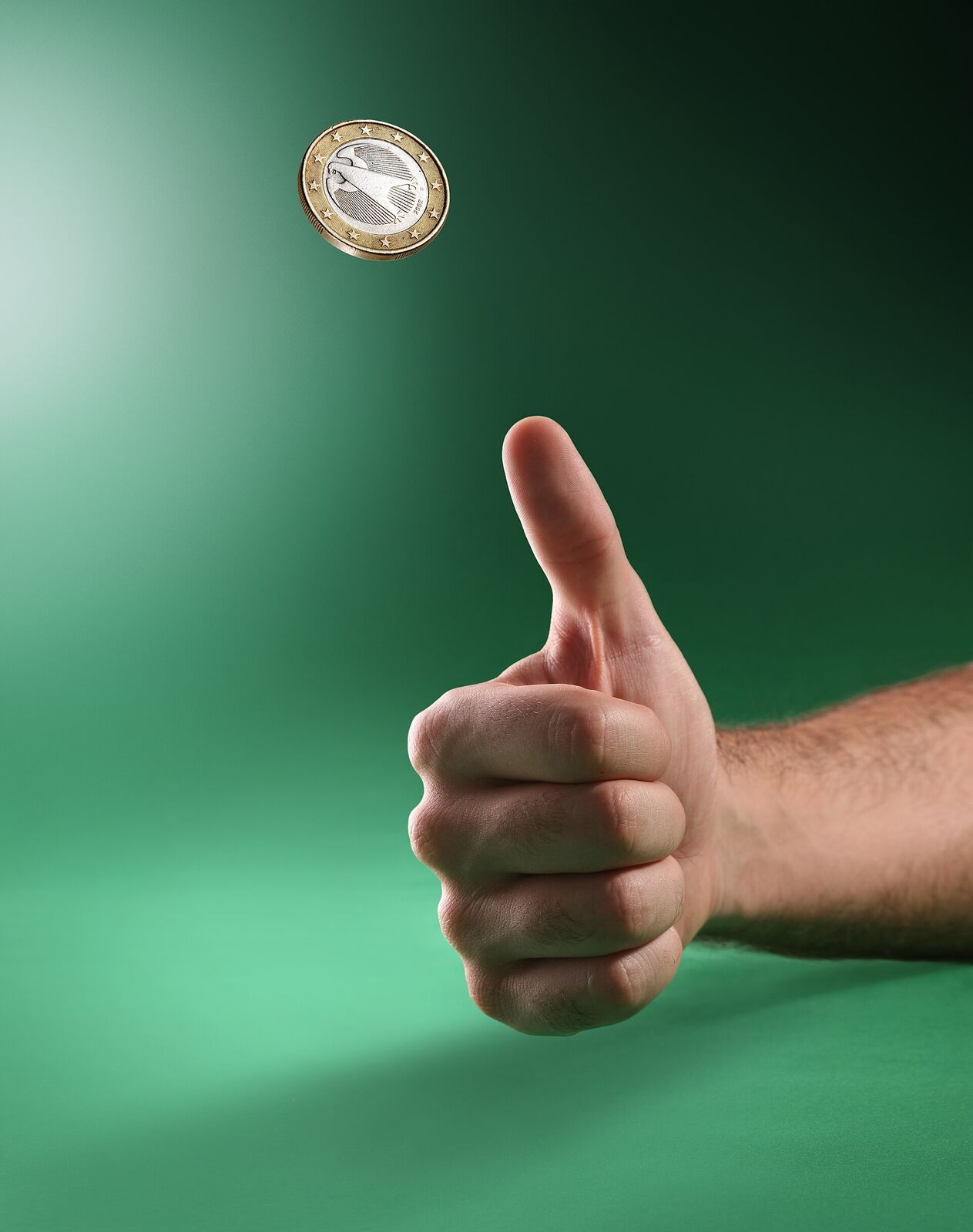
The most hopeful evidence comes from the economist Steven Levitt, who invited people stuck on a big decision, such as whether to quit a job, end a relationship or go back to school, to flip a coin online and let it decide.
A coin toss.ICMA Photos, CC BY-SA 2.0
20,000+people flipped a coin to settle a big life decision
6 monthslater, the ones told to make the change were happier
People whose coin came up "make the change" were more likely to actually make it, and six months later they reported being happier than the people whose coin told them to stay as they were, which suggests that most of us hold on a little longer than is good for us, and that letting go tends to turn out better than we fear.
The money is already gone, and your next decision only gets to spend what you have left, which is usually more than enough to do something better with.
Play today's Long Story Short
We make a daily game called Long Story Short, where you get one real news sentence and keep the five words that carry it, and since it takes about two minutes and costs nothing, you can walk away from it at any point without sinking a thing.
How to play. Keep the five words that carry the story and let the rest go, then guess. Blue means the right word in the right place, orange means it is one of the five but sitting somewhere else, and grey means it is not one of them. You get five tries, the result beats the process, the name or the job beats the place, and little words like a, the and of never count.
Arkes, H. R., & Blumer, C. (1985). The psychology of sunk cost. Organizational Behavior and Human Decision Processes, 35(1), 124 to 140. Experiments 1 and 2.
Sweis, B. M., Abram, S. V., Schmidt, B. J., et al. (2018). Sensitivity to "sunk costs" in mice, rats, and humans. Science, 361(6398), 178 to 181.
Staw, B. M. (1976). Knee-deep in the big muddy: a study of escalating commitment to a chosen course of action. Organizational Behavior and Human Performance, 16(1), 27 to 44.
Dawkins, R., & Carlisle, T. R. (1976). Parental investment, mate desertion and a fallacy. Nature, 262, 131 to 133.
Levitt, S. D. (2021). Heads or tails: the impact of a coin toss on major life decisions and subsequent happiness. Review of Economic Studies, 88(1), 378 to 405.
Kahneman, D., & Tversky, A. (1979). Prospect theory: an analysis of decision under risk. Econometrica, 47(2), 263 to 291.
Concorde: Thayer Watkins, San José State University, "The Concorde"; Duxford Aviation Society; The National Archives blog (2019); Johnman and Lynch (2002), Contemporary British History; Kyoto Economic Review 80(2), 134 to 147.
Photos from Wikimedia Commons, credited with each image.