That’s yours. Change it if it’s wrong. The wall below is all 199.
This page is all about passports. Everything about them. That book that takes you into the world.
A visa is simple. Another country wants to be sure you won’t stay back forever. The system is smart, they’re protecting themselves, and I mean it’s fair. But for someone who has lived there for years, and wants to come back, they could be easier, right?
I have an Indian one. I lived in the UK for two years. I still need a visa to go back. I have been there so many times. I cannot just get up and go.
Mine gets me into 55 countries without a visa, 82nd of 199. The British one is 6th. I had never actually looked at the others, so I went through all of them. 199 covers, photographed the same way on 2 September 2026.
Passports used to come in all sizes and shapes. Then one day in Paris, October 1920, they were like, let’s make it one size. 32 pages. About as big as a postcard. First four pages for who you are, at least two languages, one of them French. That’s why yours is this rectangle. Six years later they asked everyone to stop asking for visas. The visas stayed.
Colour
83 blue, 69 red, 43 green, 4 black. That’s all 199. People copy the neighbour, or the club, or the flag, or the printer who said dark cloth hides dirt.
You can sort them. Colour, rank, where yours gets in. Same colour does not mean they let you in.
Europe went red on a Tuesday, 23 June 1981. They sat down and said the matching passport would be burgundy. It wasn’t even a law. Countries that wanted in switched early so the airport queue looked like a club they weren’t in yet.
Croatia kept blue, which is my favourite thing on this page. Britain went navy, then burgundy when it was in, then navy again from March 2020. Switzerland isn’t in the EU and printed red anyway. Turkey’s is red. South America asked for dark blue. Brazil did that. Guyana stayed green.
Green is on a lot of flags in Islam, so it’s on a lot of passports from North Africa, West Africa and bits of the Gulf. West Africa asked for green too. Germany used to be green, after the war, until Europe went burgundy and the eagle went gold on that.
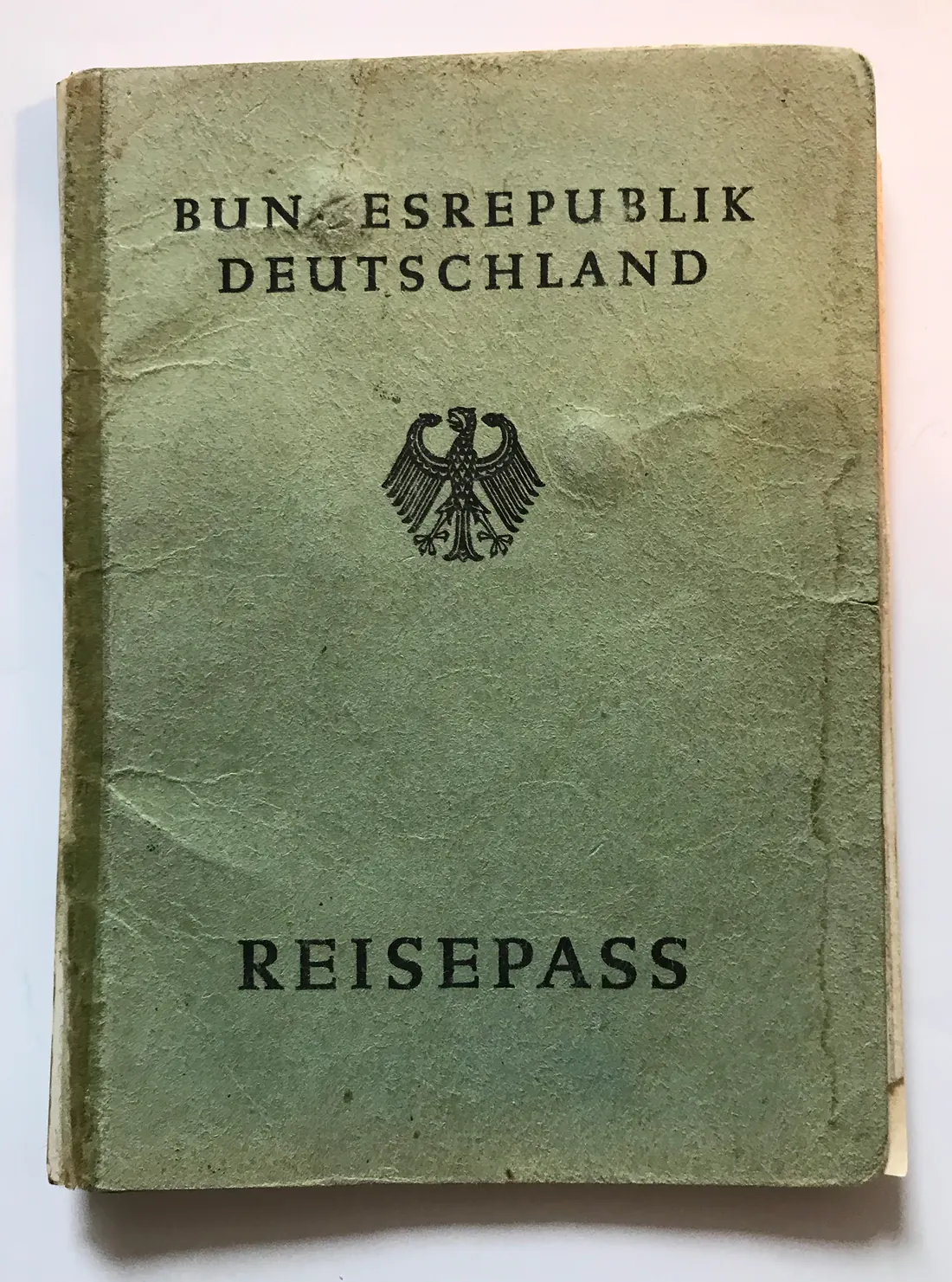
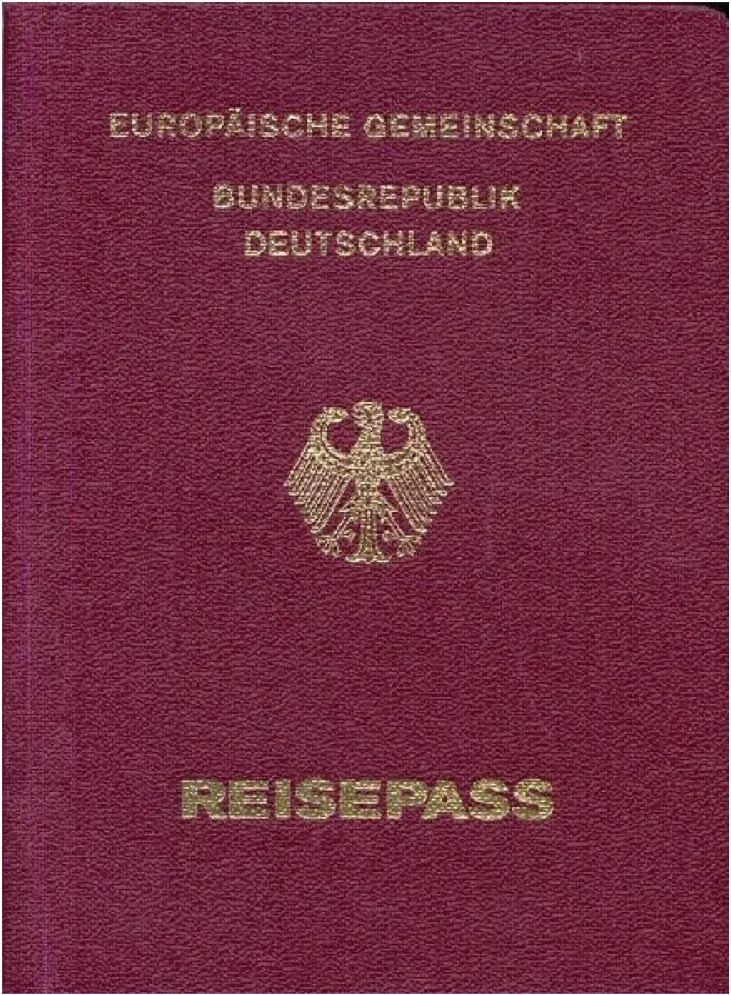
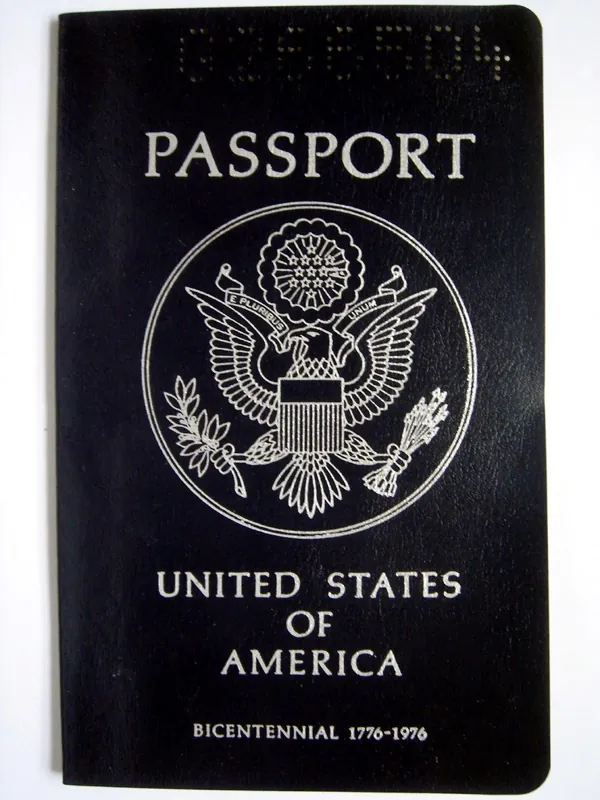
Blue is mostly the Americas. The United States went blue in 1976 for the 200th birthday and just never left. Canada, Australia, New Zealand, most of the Caribbean: blue.
Black is four. New Zealand, because black is the national colour, All Blacks, silver fern. The others here are Angola, Malawi and Palestine. Printers like dark covers for a boring reason. Dirt shows less.
France’s red and Turkey’s red do not open the same doors. Still gets me.
There’s a game on this site if you’ve had enough of covers. Long Story Short. One sentence a day. Keep five of its words.
Size
So they made it one size in Paris. Then in 1926 they asked again, can we stop with the visas. The visas stayed.
In 1980 they made it smaller, pocket size, and put two lines at the bottom so a machine can read your name and number. 125 millimetres by 88. That’s the one in your bag.
Malaysia put a chip in it in 1998. The little gold rectangle on the cover. Size has not moved since. The dashed box is the old 1920 size, they used to be bigger.
Click the cover. The two lines at the bottom are for a machine.
The inside of that drawing is fake. Your surname isn’t “Your surname.” The date is ten years from today because that’s how long a lot of adult ones last. The millimetres are real though. If your screen isn’t lying, that’s the size of the thing in your bag.
A lot of countries still print 32 pages. Others print 48 or 64, because people run out of visa stamps. The cover stays the same. You just carry more paper.
I also make a word game. Play today’s sentence. About two minutes.
Rank, 2006 to 2026
Every year since 2006 someone counts how many countries let you in without a visa. Walking in counts. Stamp at the airport counts. A short form on your phone, the Australia / America / Britain kind, counts. The longer apply-and-wait one doesn’t, even though on your phone they look the same.
Singapore is first. 192 countries. Afghanistan is still last, 22. The Emirates were 62nd in 2006 with 35 countries. Second now, 188, and they didn’t even change the colour of the cover.
A phone cannot hold 199 grey lines. You get Singapore, the Emirates, the United States, China, India, Afghanistan, and yours. Tap one.
Rank, 1 at the top. Ties share a rank. Hover a line. Click to make it yours.
Look at the Emirates line. Same blue cover the whole way. They just kept making deals until everyone stopped asking Emiratis for a visa.
America can go to more countries than in 2006 and still dropped, 1st to 10th, because everyone else was faster. 130 then, 180 now, tenth anyway. Chile is 14th. India and China both open fewer than that.
China went from 18 countries to 83. India from 25 to 55, and still dropped, 71st to 82nd. The people above them were faster.
Or skip the chart and do today’s Long Story Short.
Who lets whom in
The list above is where you get in. This chart is also who they let in. Almost nobody is even.
Right is how many places that passport gets into. Up is how many they let in. The dotted line is a fair swap. Almost nobody sits on it.
Hover a cover. Click to make it yours.
Bottom right is the United States, Australia, Canada, New Zealand, Japan. Those books get in almost everywhere. America lets 46 in.
Top left is Djibouti. Ever heard of them? No? Neither have I. Their passport gets into 45. They let anyone in, all 198 of the others, and that’s the beauty of it. Imagine. So cool.
Singapore is almost even, 163 out and 164 in, which almost nobody else is.
India is in the middle. 55 out, 6 in. That’s mine. Click it.
Daily game is here too. Long Story Short. Cut a sentence to five of its own words.
Fees
This is what you actually pay for a new adult one. Tom Topol’s table, 2026, in dollars, 179 countries where I could find a price.
Vietnam is $8. Turkey is $342. Mexico $247. Australia $307. UK, if that’s yours, about $126.
If you divide the price by how many countries it opens, the order flips. Afghanistan is $5.45 a country. Bulgaria is 12 cents. You don’t pick this. You’re born with it.
St Kitts and Nevis charges $230 to renew. They also sell a new nationality, which is a whole other thing, and starts at six figures. This table is just the boring renewal.
Bars start at zero. Click a row and the page follows that country.
Today’s sentence, if you want two minutes off the bars.
Before the booklet
A passport used to be a letter. Someone who could hurt you, asking someone else not to. A pass for a port. That’s the word.
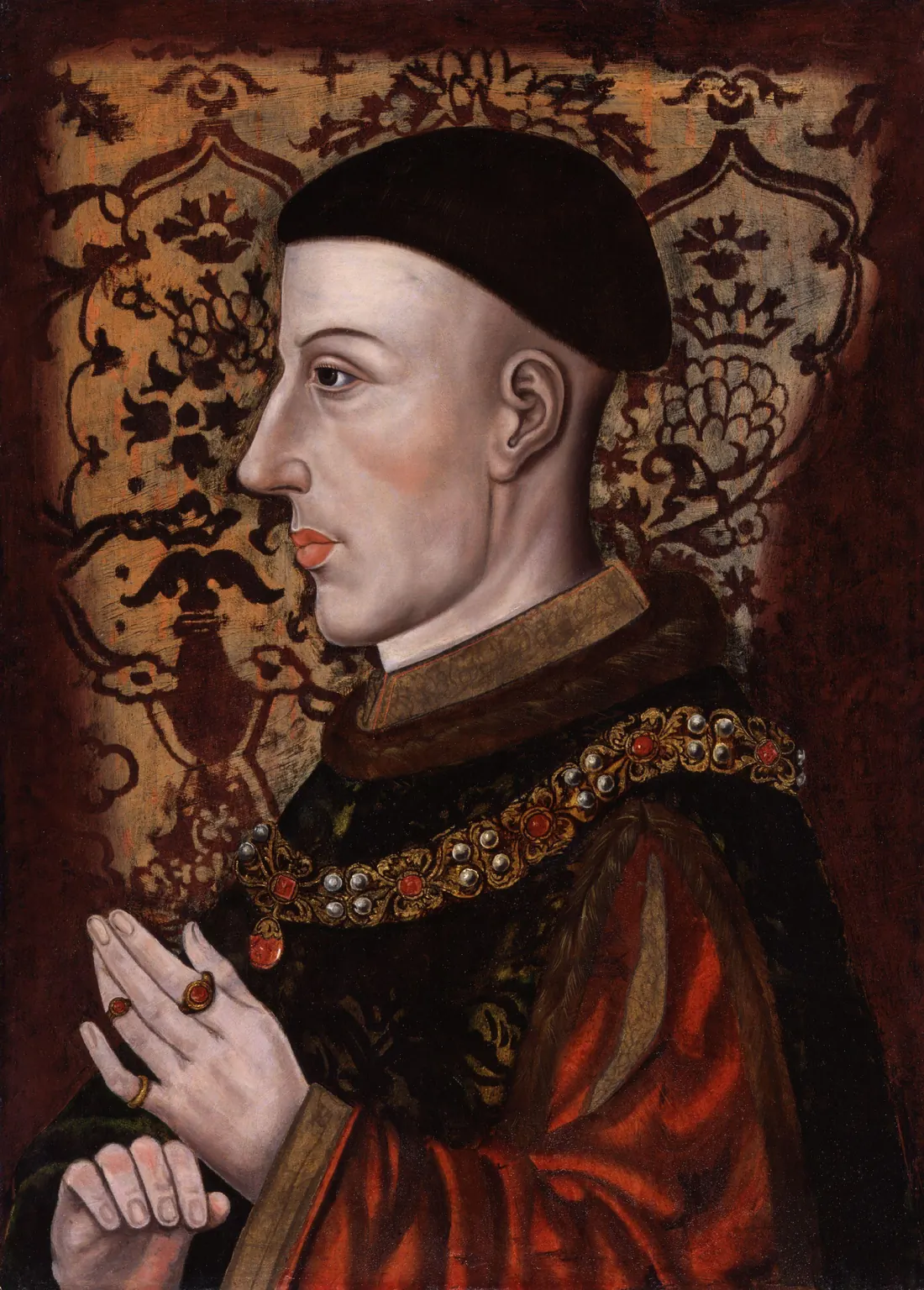
1414 is a useful first date because England wrote it down. The paper already existed. The law made it a regular thing, with a fee, a clerk, and trouble if you faked one. The portrait is later. And flattering.
France, 1792. They said a free person shouldn’t need a pass to walk to the next town. Then the king tries to flee, dressed as a servant, and gets caught at Varennes. The papers come back.
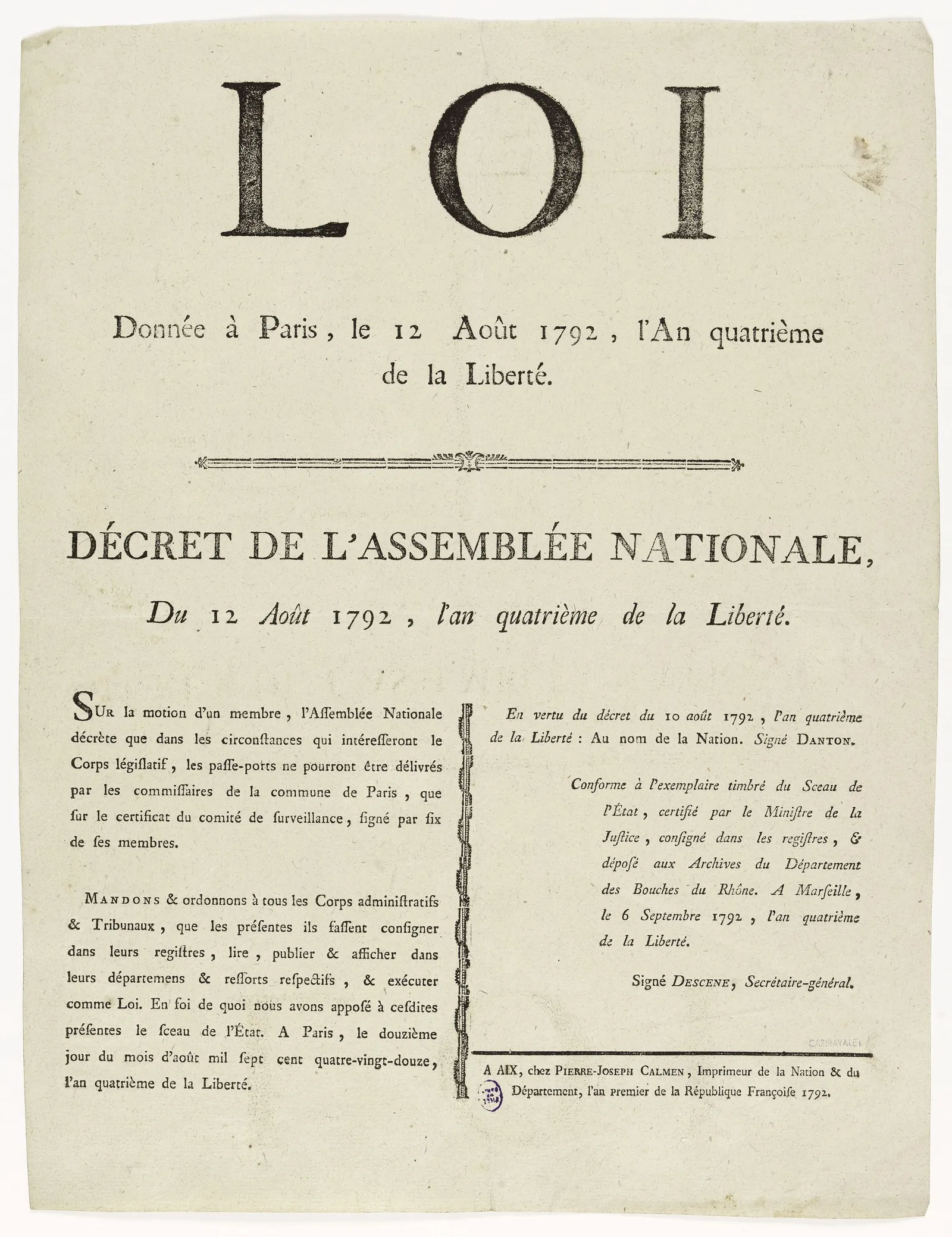
Through the 1800s a lot of Europeans didn’t need one. Some people did. A lot of borders didn’t bother. Then the war. 1914 to 1918, every border grows a desk. Britain’s 1915 book has a photograph. Tourists hated it. Nobody took the desks away when the shooting stopped.
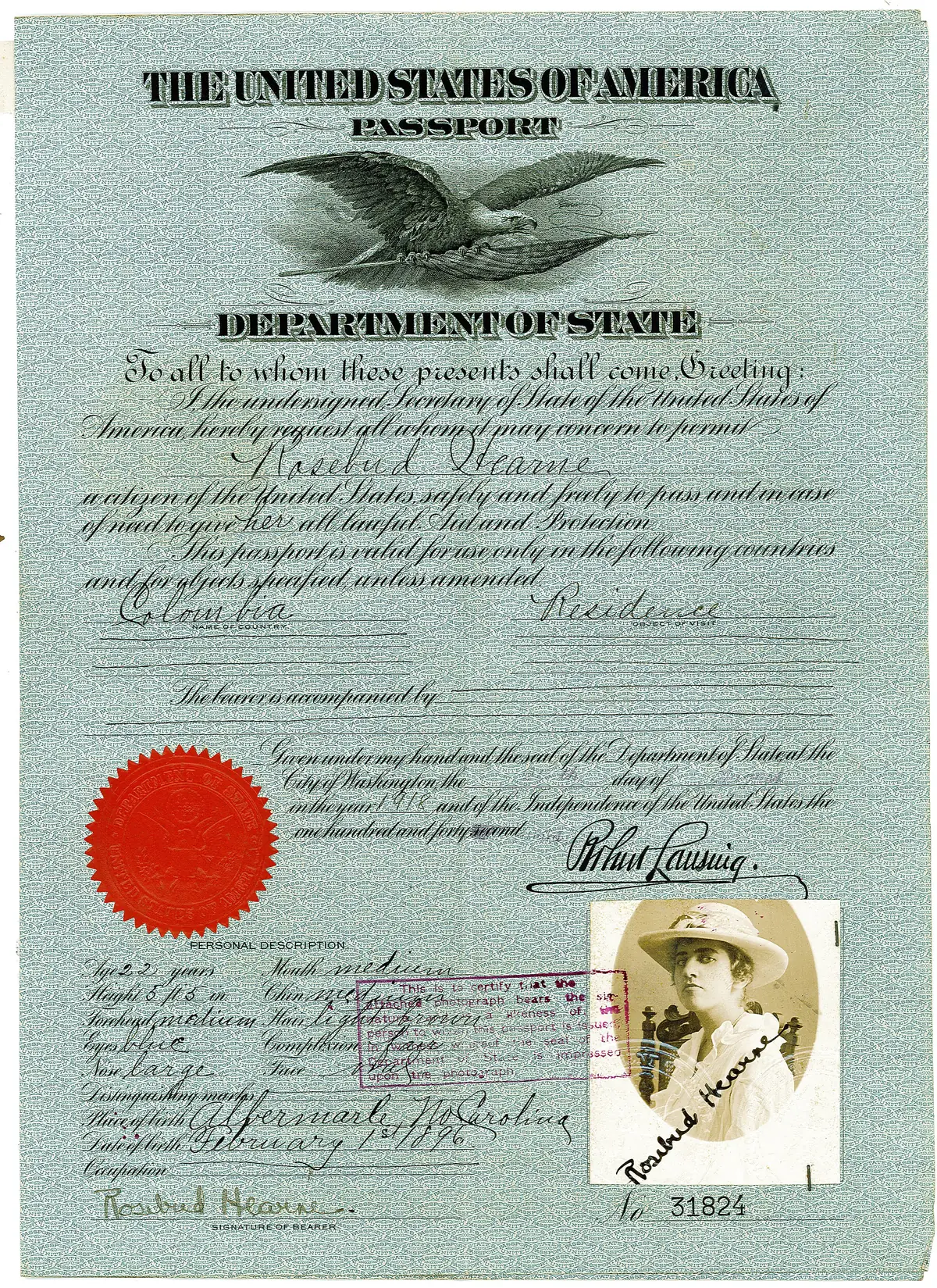
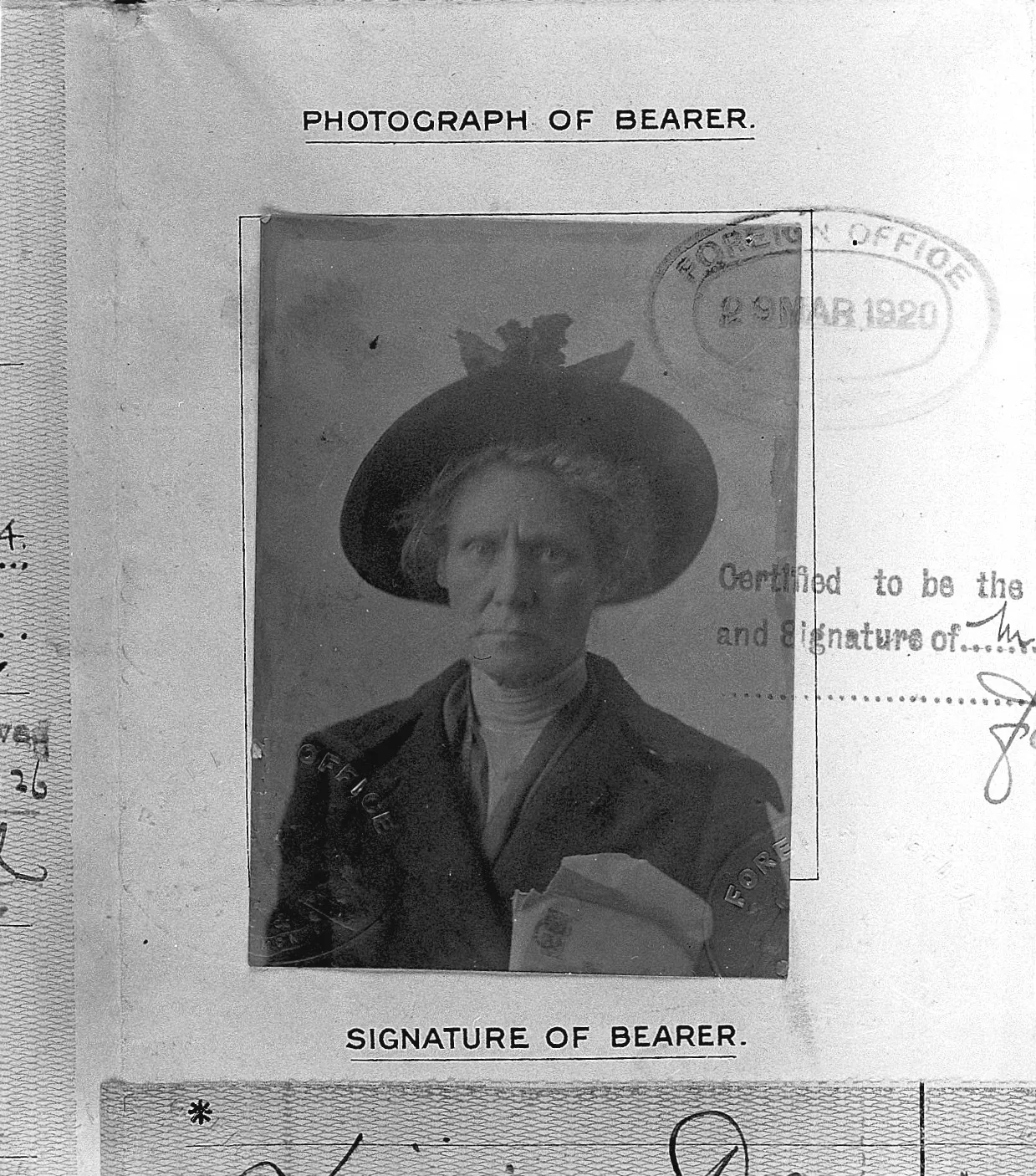
America, 1924, makes you get the yes before you get on the boat. Ellis Island becomes a hospital and a court for people who already have the paper. Left photo is an American passport from 1918, wartime, face already glued in. Right is a photograph from 1920, stamps across the face.
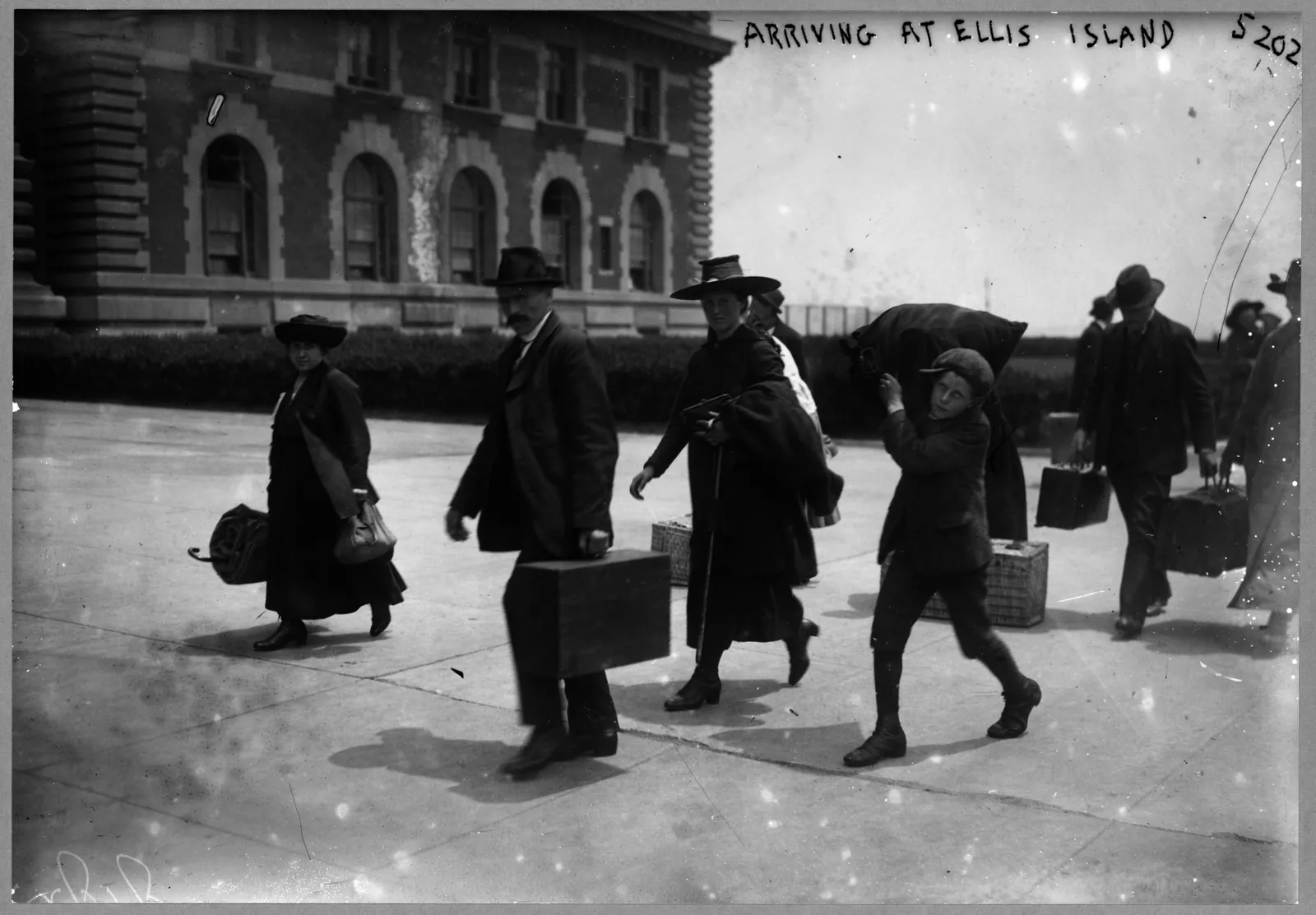
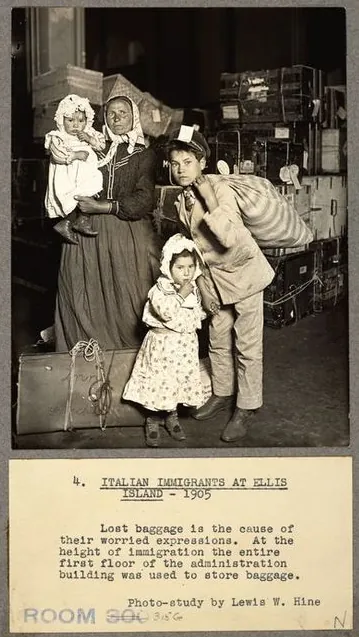
Lewis Hine photographed Italian families at the same island in 1905. After 1924 the yes happened before they bought a ticket, three thousand miles east.
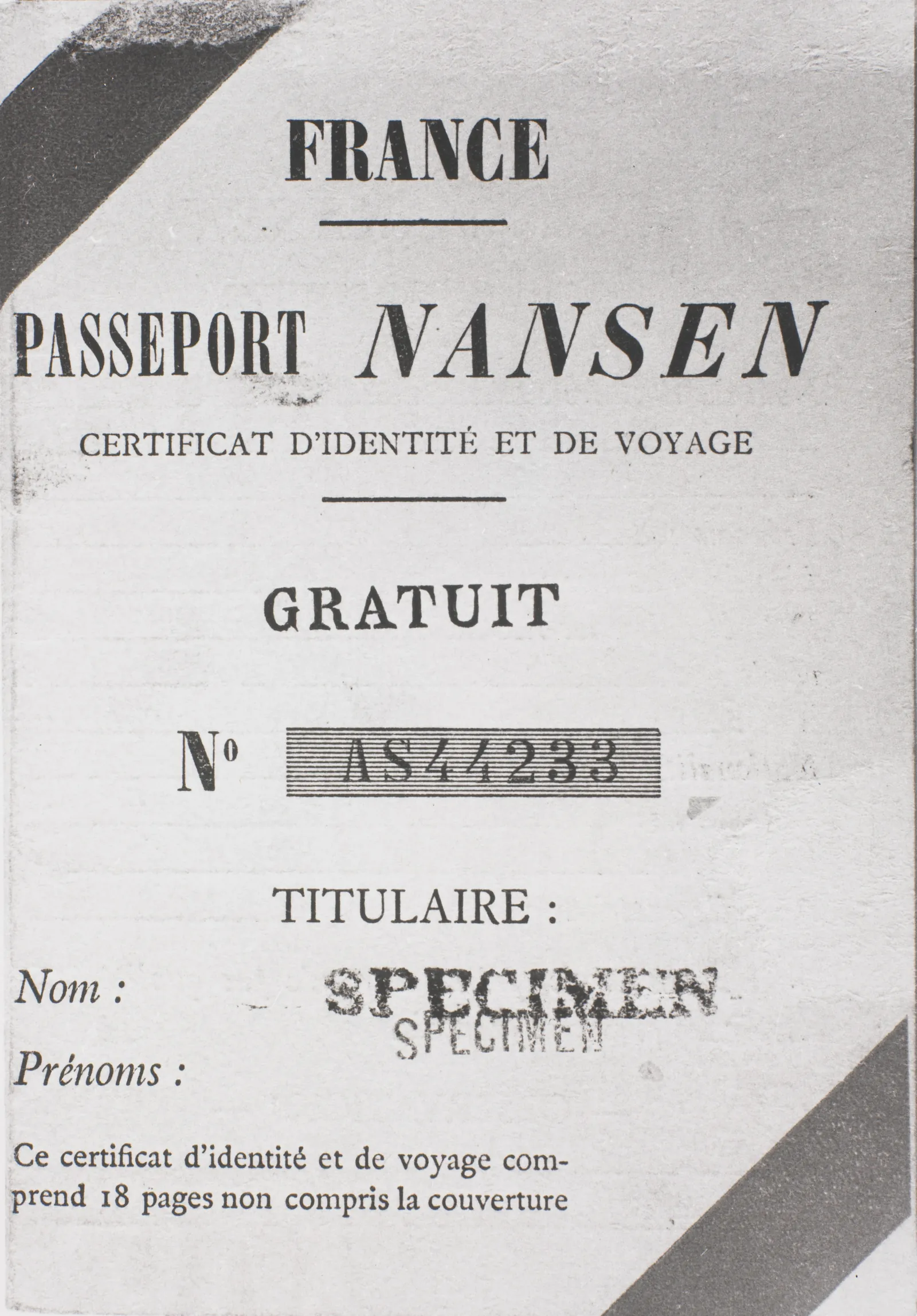
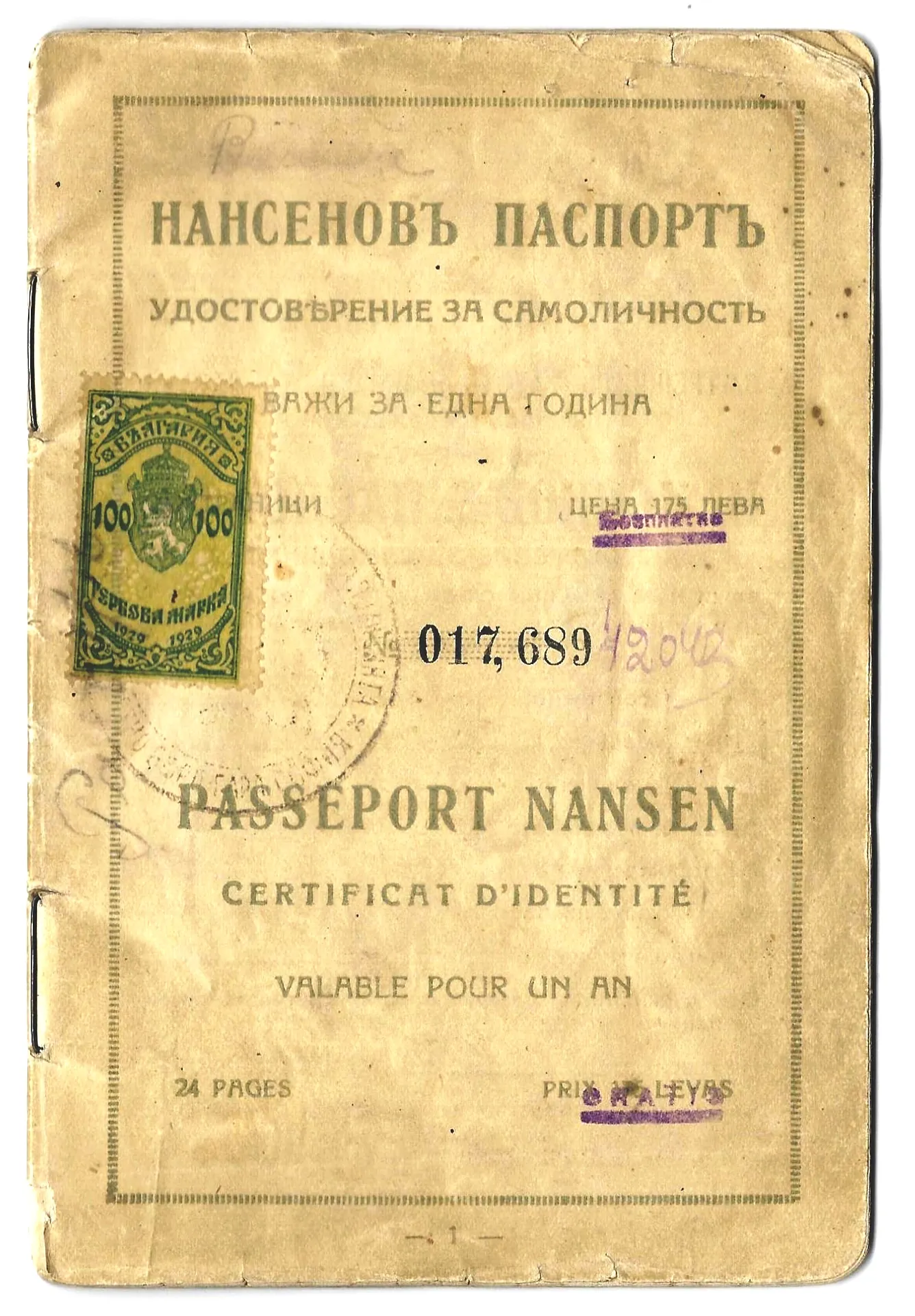
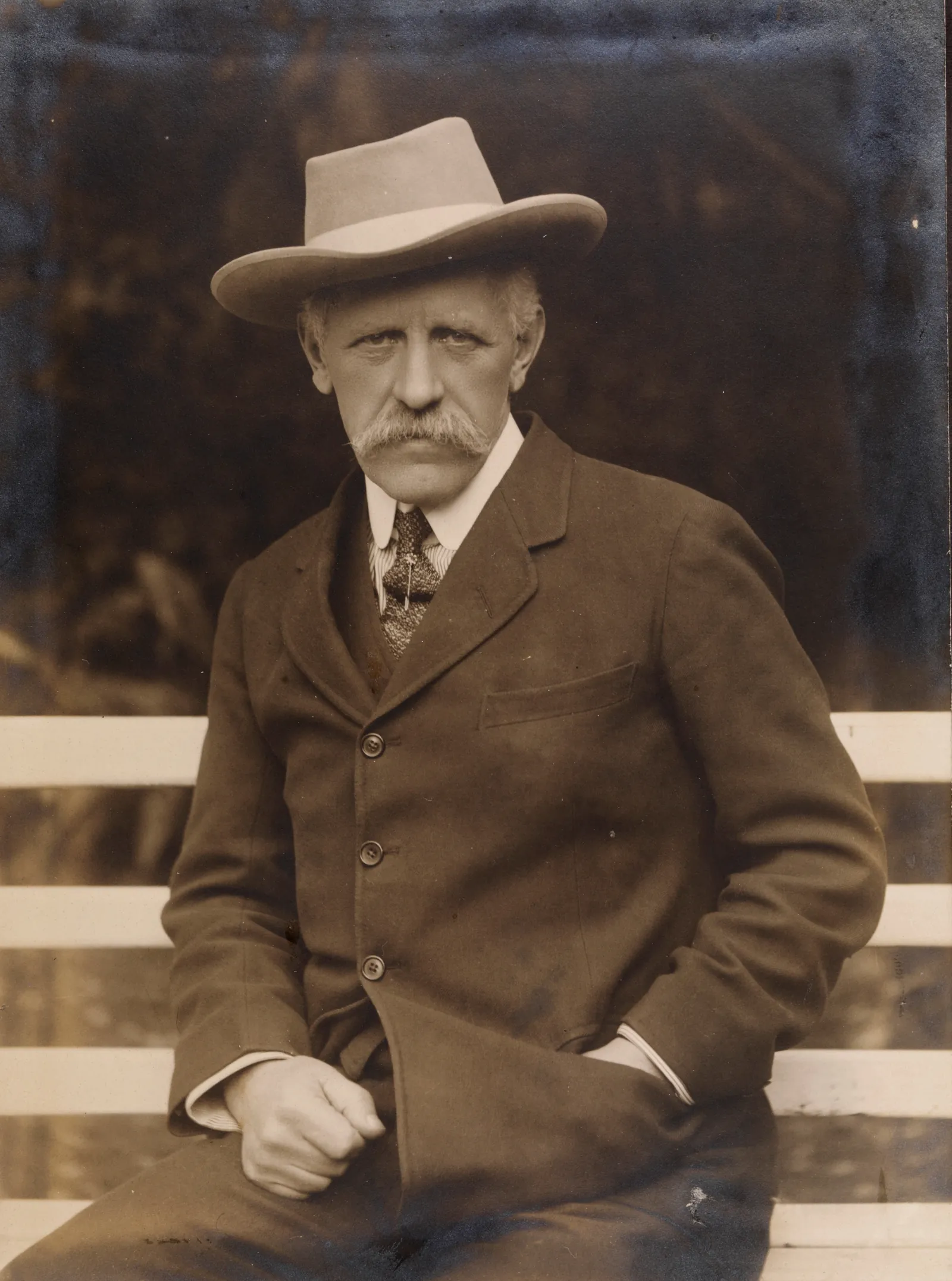
Two years after Paris, Fridtjof Nansen invents a passport for people who have no country. About 450,000 get printed. Stravinsky travelled on one. Nabokov’s family too. Still the only passport issued by no country.
The French one was free, 18 pages. The Bulgarian one in 1929 has a five-franc stamp that paid for the scheme. The nationality box is empty, or it names something that isn’t a country any more.
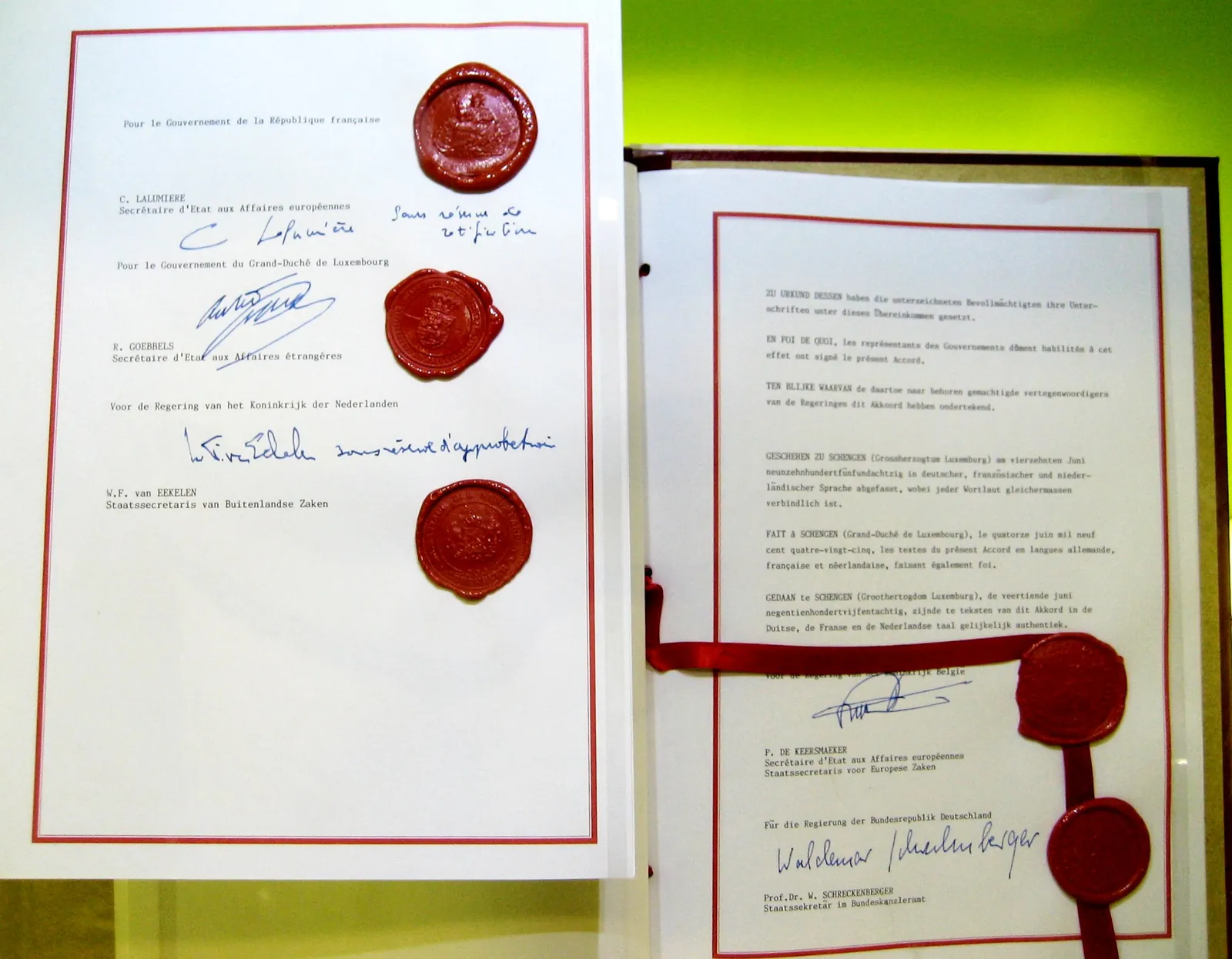
14 June 1985. Five countries sign a deal on a riverboat, near a village in Luxembourg called Schengen. France, Germany, Belgium, the Netherlands, Luxembourg. They take the checks down between them. The signatures in the photo are in the museum there. The passport still exists. You use it less, because the desk moved to the outside.
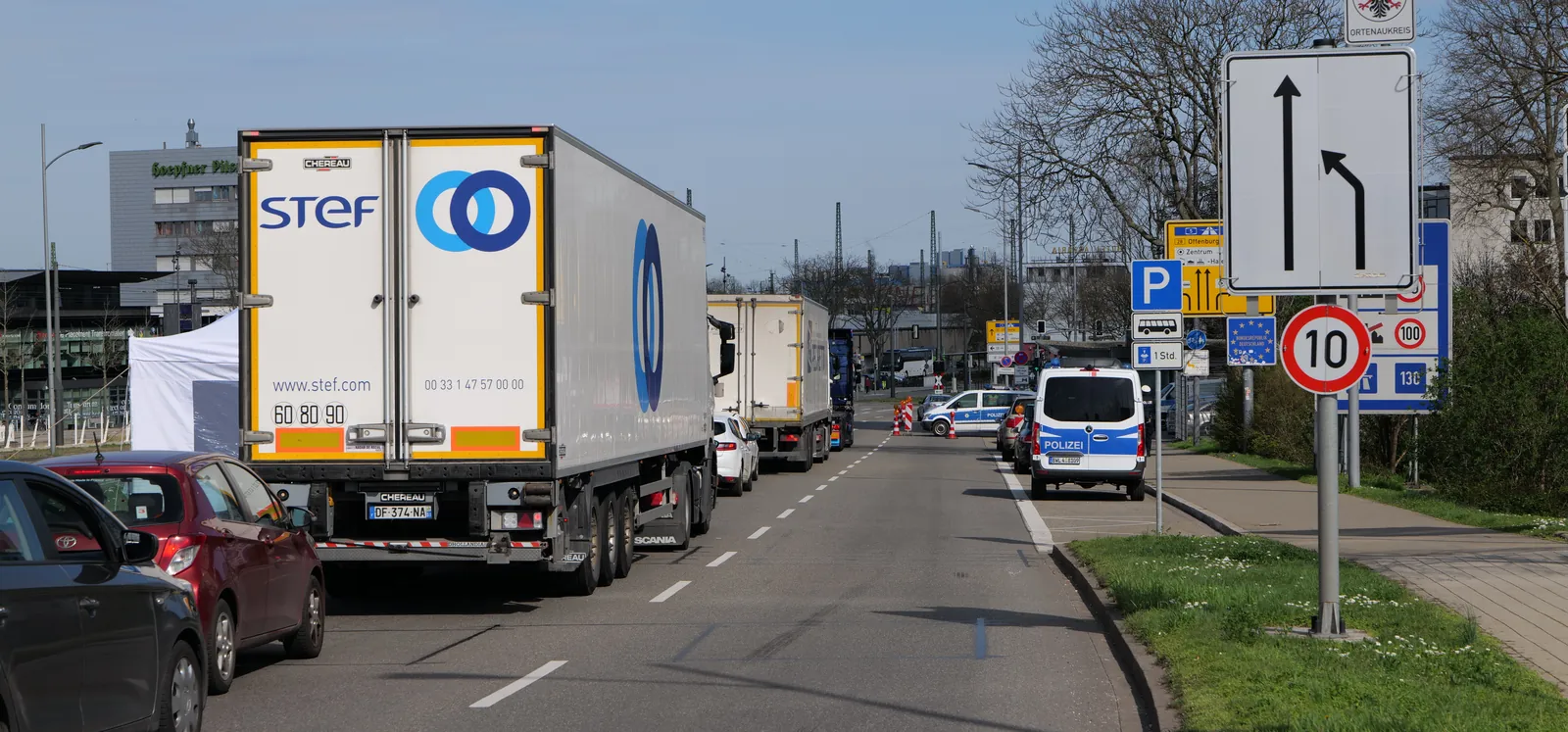
If you’ve got one of those European books, a lot of the pale countries aren’t in Europe. The asking happens somewhere else. It can come back. 16 March 2020, Germany put the checks back on the Europe bridge between Strasbourg and Kehl, first morning of a pandemic border. The book hadn’t changed.
1980 is the last time the physical book really changes. It shrinks. The two machine lines get specified. Malaysia’s tiny computer, 1998, goes behind the cloth. After that it’s software. Face scans, lists, the little gates at the airport, and a short form that is still a visa with nicer branding.
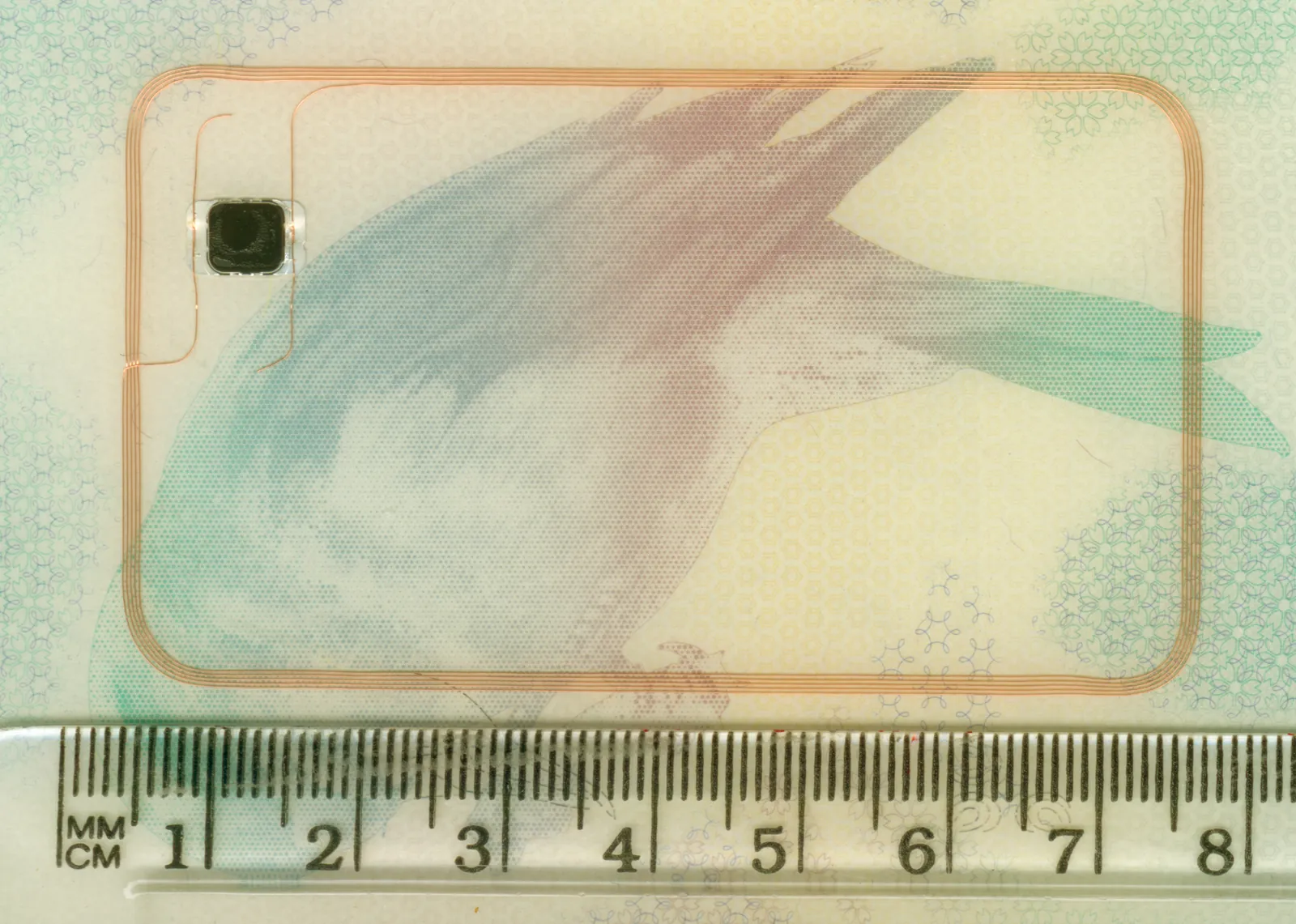
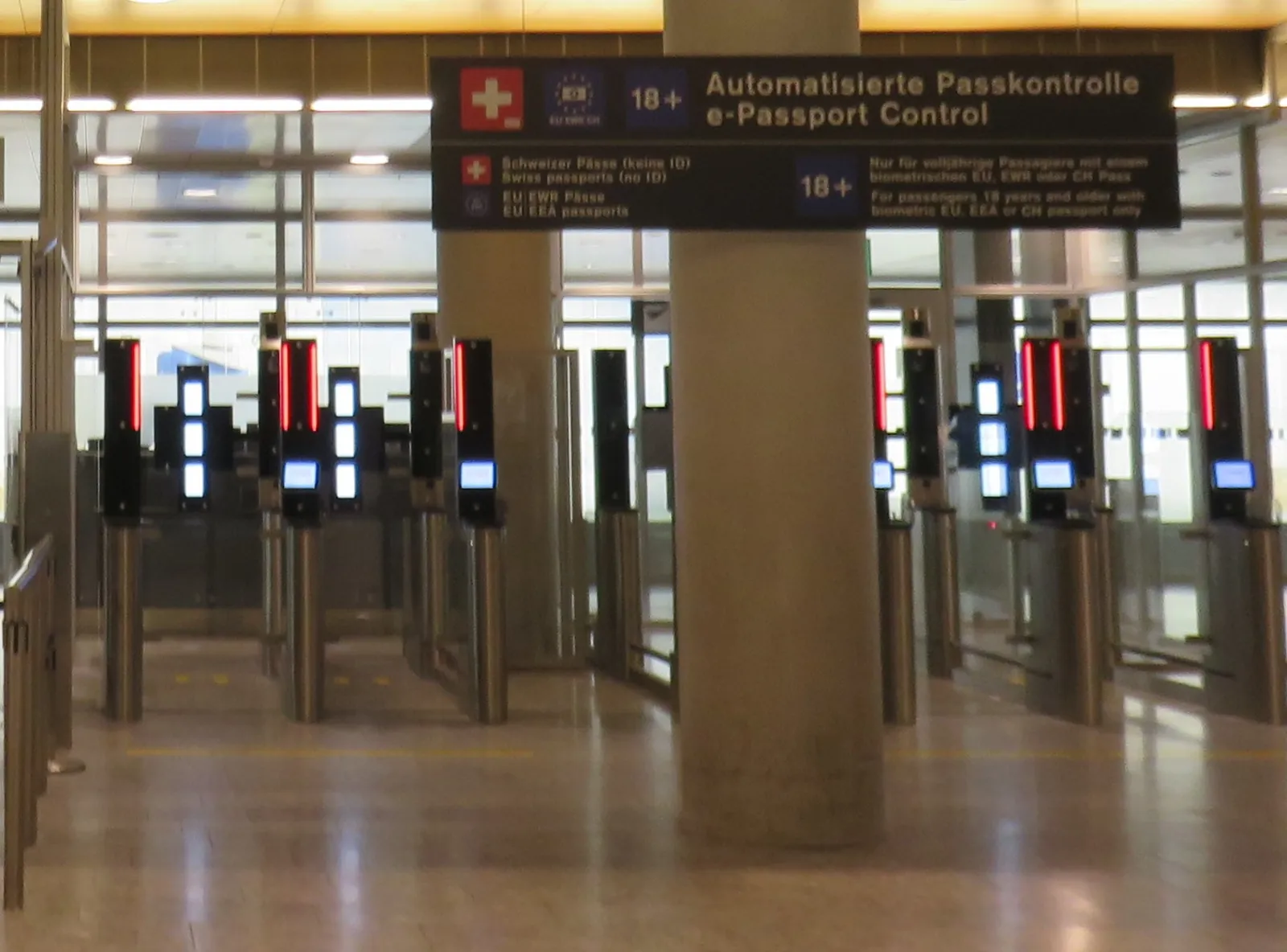
Malaysia’s chip is 28 years old. Most of the books in the wall have one now. Who walks through the little gate is still the same list.
I still have to send the form.
Play today’s Long Story Short if you want two minutes off the map.
Daily game
Long Story Short. One real sentence. Keep five of its words. Five tries.
Play today’sMore like this
- Why boarding takes forever · five boarding orders, timed in a fake 757
- Tipping, a culture · 37 languages, one country that made it the wage
- If you hate waiting, raise your hand · ten cities, ten cabs
Visa rules are the Passport Index dataset as of 17 February 2026 (the imorte GitHub mirror, 199 × 199). “Enters” counts visa-free, visa on arrival and electronic travel authorisation. An e-visa counts as a visa, as Henley counts it. Rank history is the Henley Passport Index, 2006 to 2026. Ties share a rank. Cover colours are from World Population Review, checked against the covers; nine were corrected to match the photograph. Every cover here is an image-model re-photograph of the real thing, 2 September 2026, so all 199 share an angle and a light. Fees are Tom Topol’s 2026 table at passport-collector.com, converted to dollars. Map: Natural Earth via world-atlas, Equal Earth; countries too small to draw are dots. Antarctica is left off.
The numbers: passports.json (199 rows, 118 KB).
Passport Index · Henley Passport Index · World Population Review · passport-collector.com · EUR-Lex C 241/1981 · ICAO Doc 9303 · Covers: Wikimedia Commons