The people who count every bit of rubbish on the beach
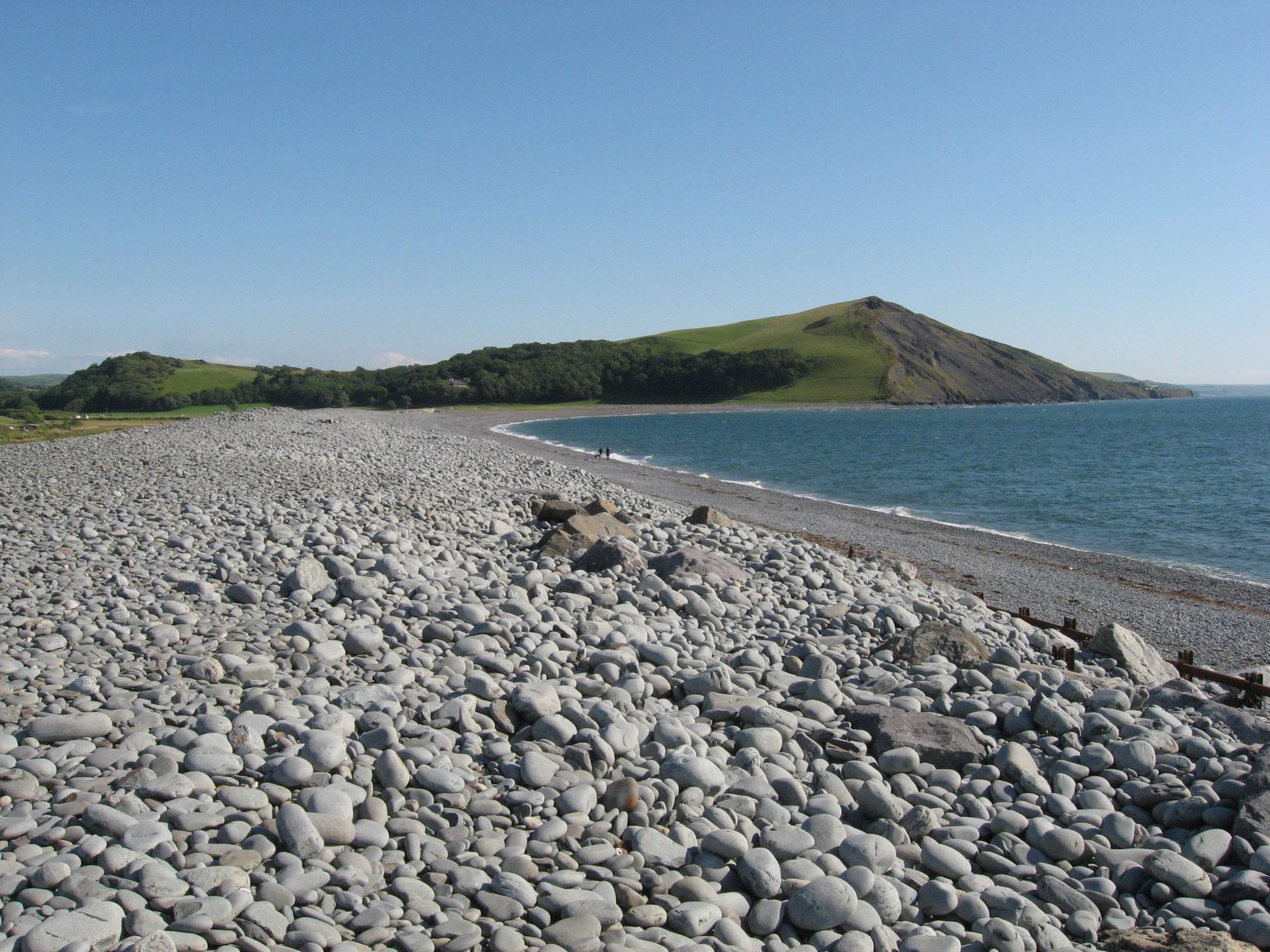
Tan-y-Bwlch, Aberystwyth · Gareth James, CC BY-SA 2.0
Since 1994, the Marine Conservation Society's volunteers have gone back to the same marked 100 metres on beaches around Britain and written down every single thing they found. The bag charge and the cotton bud ban both show up in their counts.
Last September, a volunteer on a British beach picked up a Golden Wonder crisp packet with the price still printed on it. It said 3p, so it was made in the 1970s. The Marine Conservation Society put it in their results, next to a paddling pool, a gold wedding ring and a crab preserved in a jar.
I wanted to know where lists like that come from. It turns out the charity has been asking people to do the same odd job since 1994, which is to walk 100 metres of beach and write down every single thing on it. They call it Beachwatch, and its big week every September is the Great British Beach Clean.
The UK sends some of those counts to OSPAR, the treaty that looks after the North-East Atlantic, and that record is public. I went through all of it, 1,533 surveys from 57 beaches between 2001 and 2021, and once they were in order, the bag charge and the cotton bud ban showed up clearly.
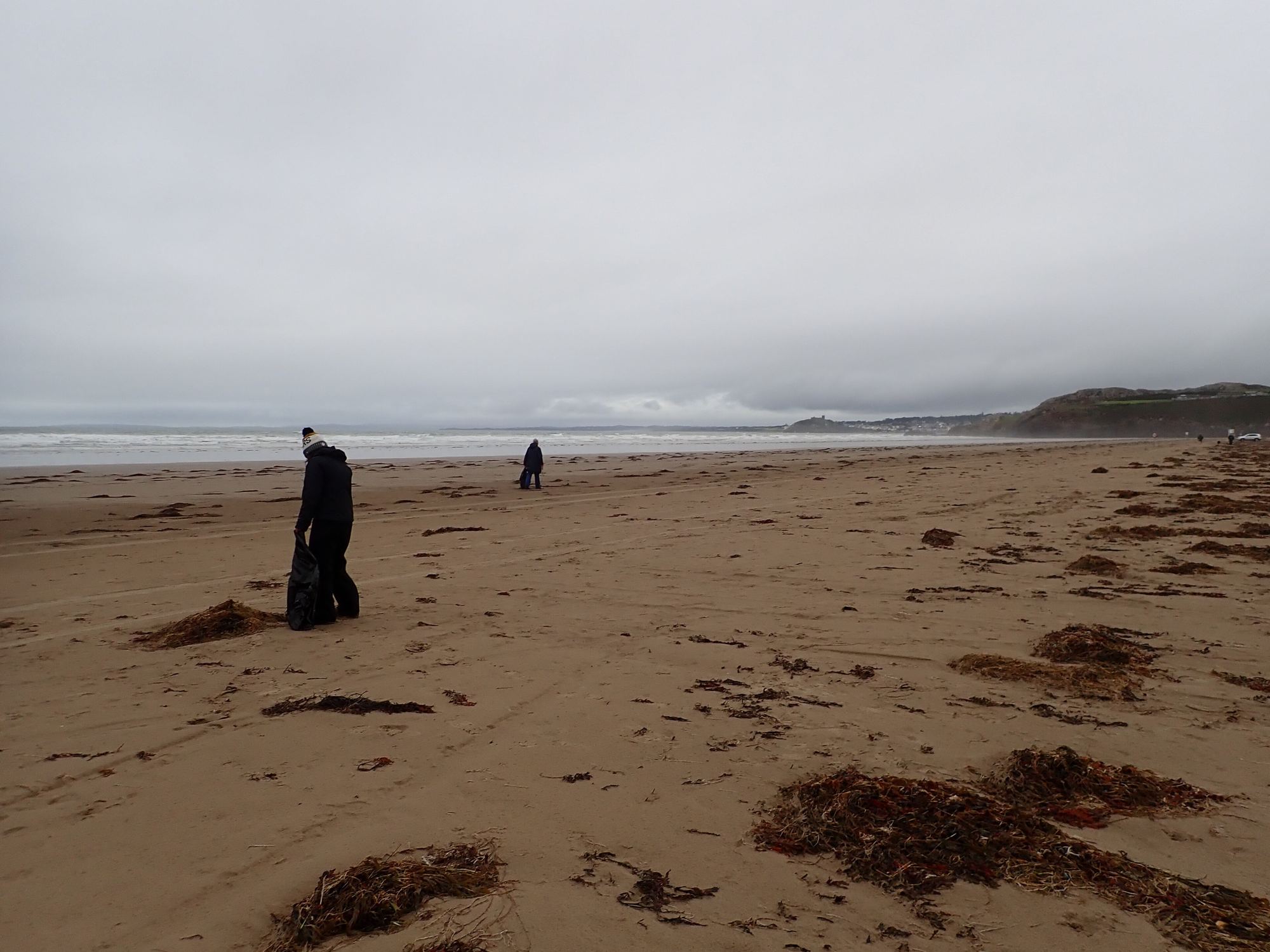
The form has more than a hundred boxes on it, for things like crisp packets, cotton bud sticks, wet wipes and the plastic rings off bottle tops. A small group walks a marked stretch of the tideline and ticks a box for every item they pick up. It can take a couple of hours, and end with a few hundred ticks or a few thousand.
Each beach has its own marked 100 metres, and the group goes back to that same stretch every time. Every survey is done the same way, so a tick on the Clyde means the same as a tick in Cornwall. That's why governments use the totals when they report on the state of their seas.
On 13 January 2018, a group surveyed Lunderston Bay, on the Firth of Clyde near Gourock. Before you scroll, have a guess. What did they find most of?
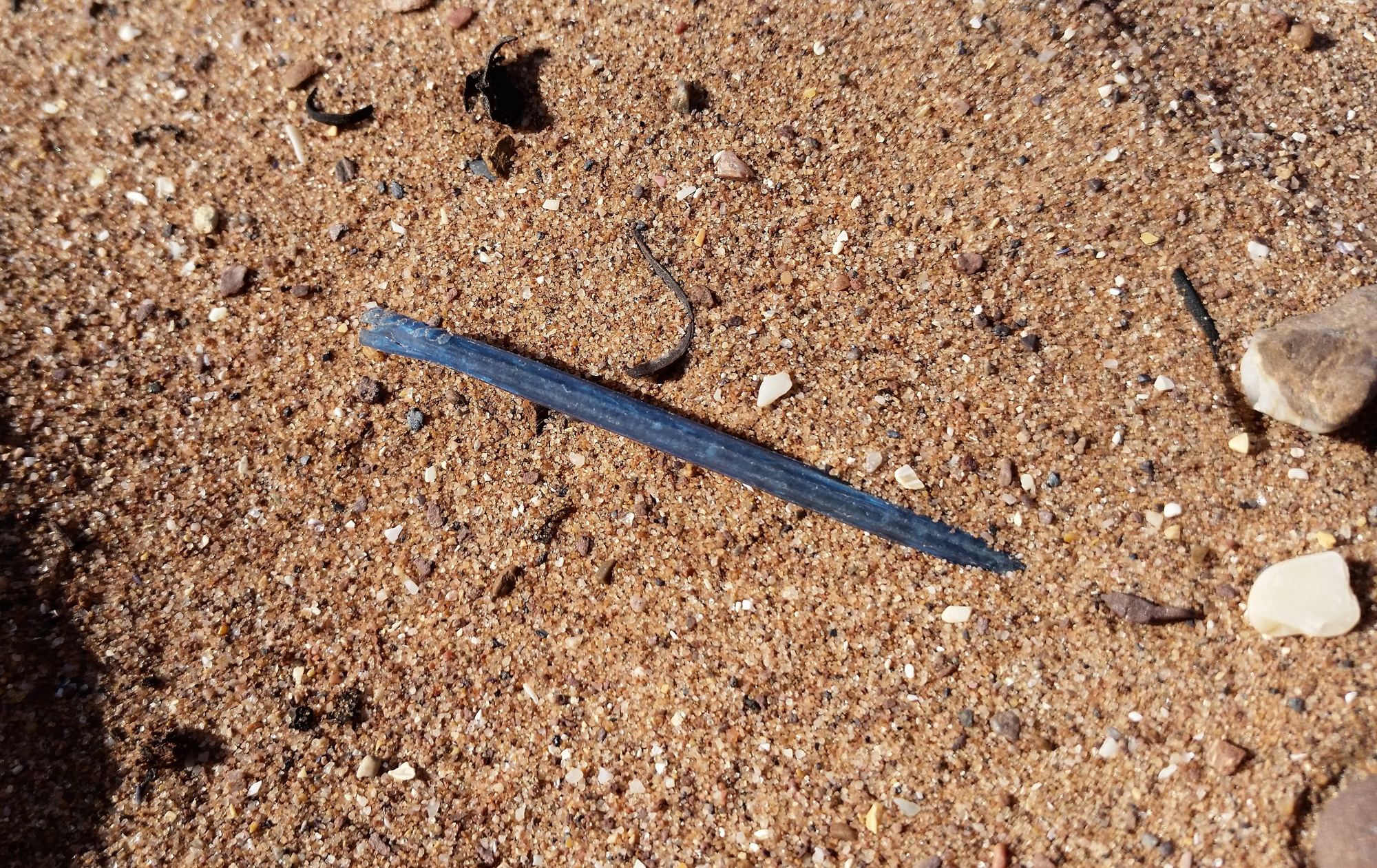
In between those two mornings, on 12 October 2019, Scotland banned plastic-stemmed cotton buds, the first part of the UK to do it. Most big brands had already moved to paper stems after campaigners pressed them, so the counts started falling before the law came in. You can see both in the Lunderston group's visits.
Plastic cotton bud sticks on each survey of Lunderston Bay, 2014 to 2021. One bar is one visit to the same 100 metres.
Across all of Scotland's monitored beaches, the average went from 465 cotton bud sticks per 100 metres in 2018 to 18 in 2021. England banned them a year later, on 1 October 2020.
Carrier bags are an even cleaner test, because each nation brought in its charge in a different year: Wales in 2011, Northern Ireland in 2013, Scotland in 2014 and England in 2015. If the charge did nothing, the bag counts wouldn't change around those dates.
Shopping bags per 1,000 items of litter, on the same beaches in the five years before and after each nation's charge.
On the same beaches, bags made up a smaller share of the rubbish after every charge. England fell the most, from about 12 bags per 100 metres to 3. Scotland's bags were already falling before its charge and the Welsh numbers jump around a lot, so I wouldn't lean on those two alone, but no nation went the wrong way.
The charity's own surveys cover far more beaches, and they now find half a bag per 100 metres, which is 88% fewer than before the charges. Lizzie Price, who manages Beachwatch, has the shortest version of this whole page: "Our State of Beaches report saw an 80% drop in plastic bags found on UK beaches since the 5p charge was introduced."
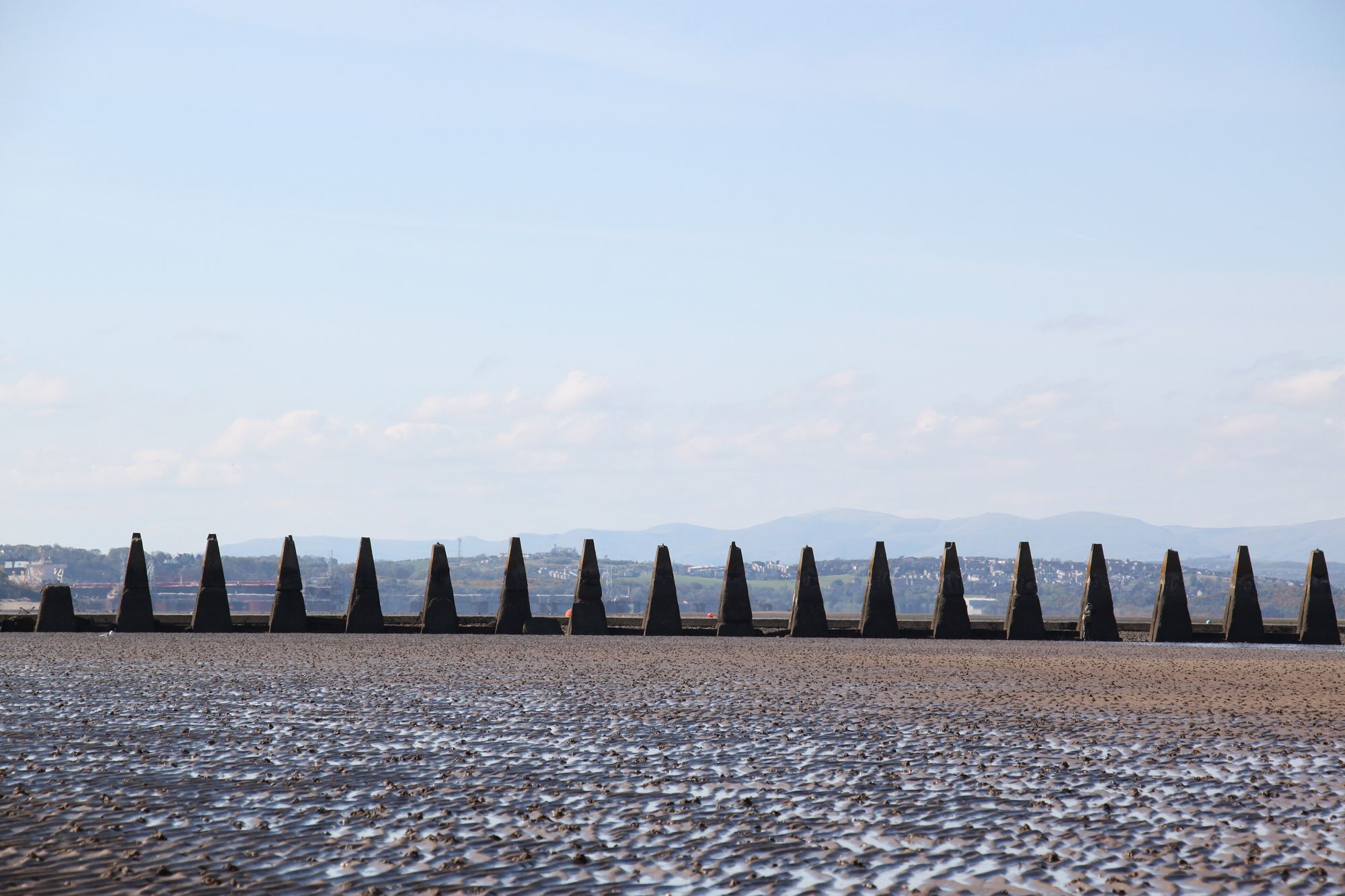
Cramond is on the edge of Edinburgh, and on that same January day in 2018 its group counted 8,585 items on 100 metres. 6,268 of them came out of the sewers, mostly wet wipes and sanitary towels that people had flushed.
Everything recorded on Cramond Beach, 13 January 2018, grouped by type.
The UK is now banning plastic in wet wipes, but a wipe without plastic can still be flushed. Only about a third of Scotland's storm overflows are monitored at all.
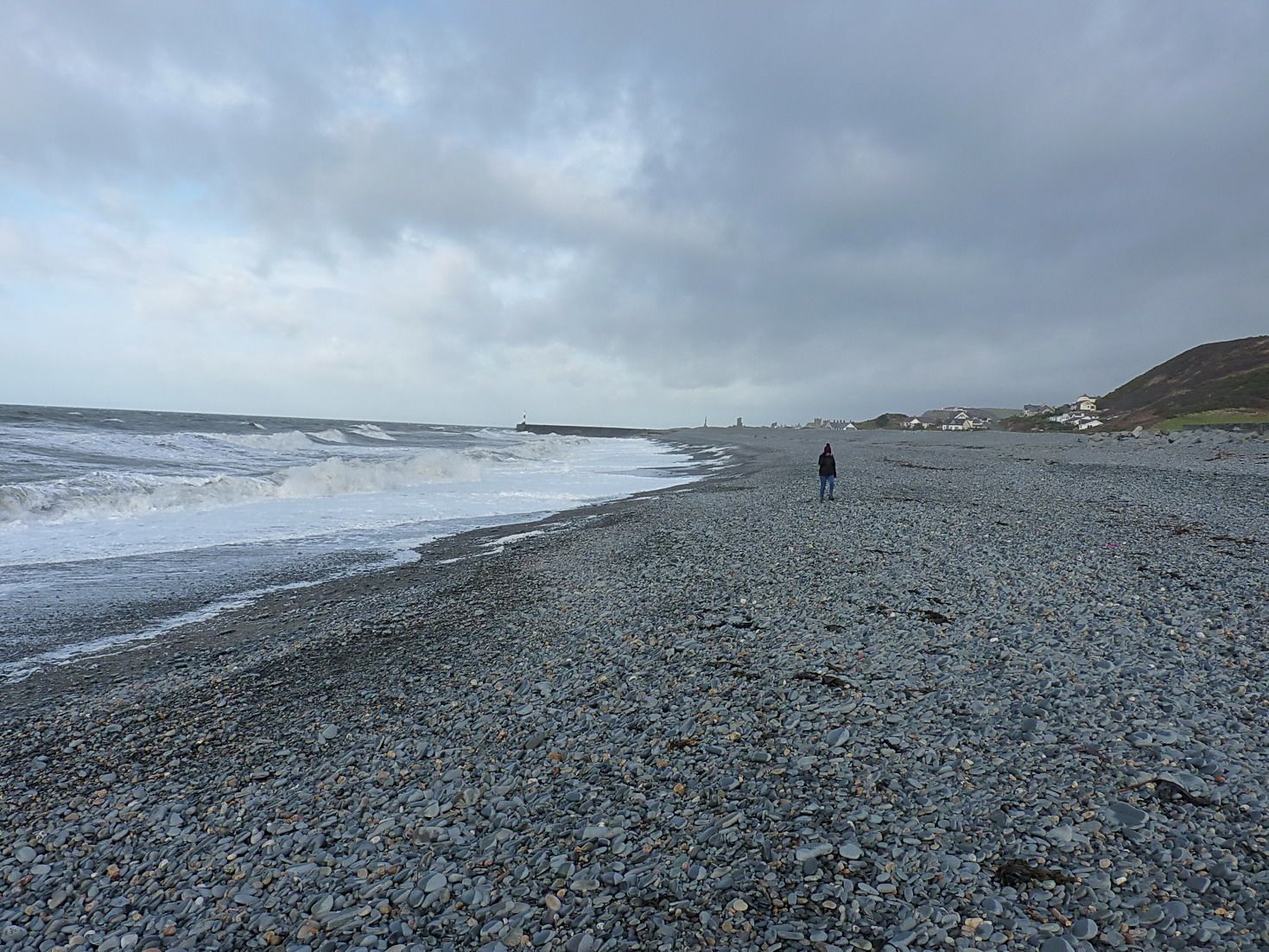
Tan-y-Bwlch is a shingle beach just south of Aberystwyth, and someone has surveyed the same 100 metres of it 69 times since 2001.
Items recorded on each survey of Tan-y-Bwlch Beach, 2001 to 2021. One circle is one visit, and the line is the yearly median.
In 2004 a typical visit found more than 700 things, and by 2021 it was about 60. I can't tell you which law did that, and it's probably several of them, but nobody would know the beach had got cleaner without those 69 visits.
Data that shows people being better than the internet makes them look. One visual essay a week, free.
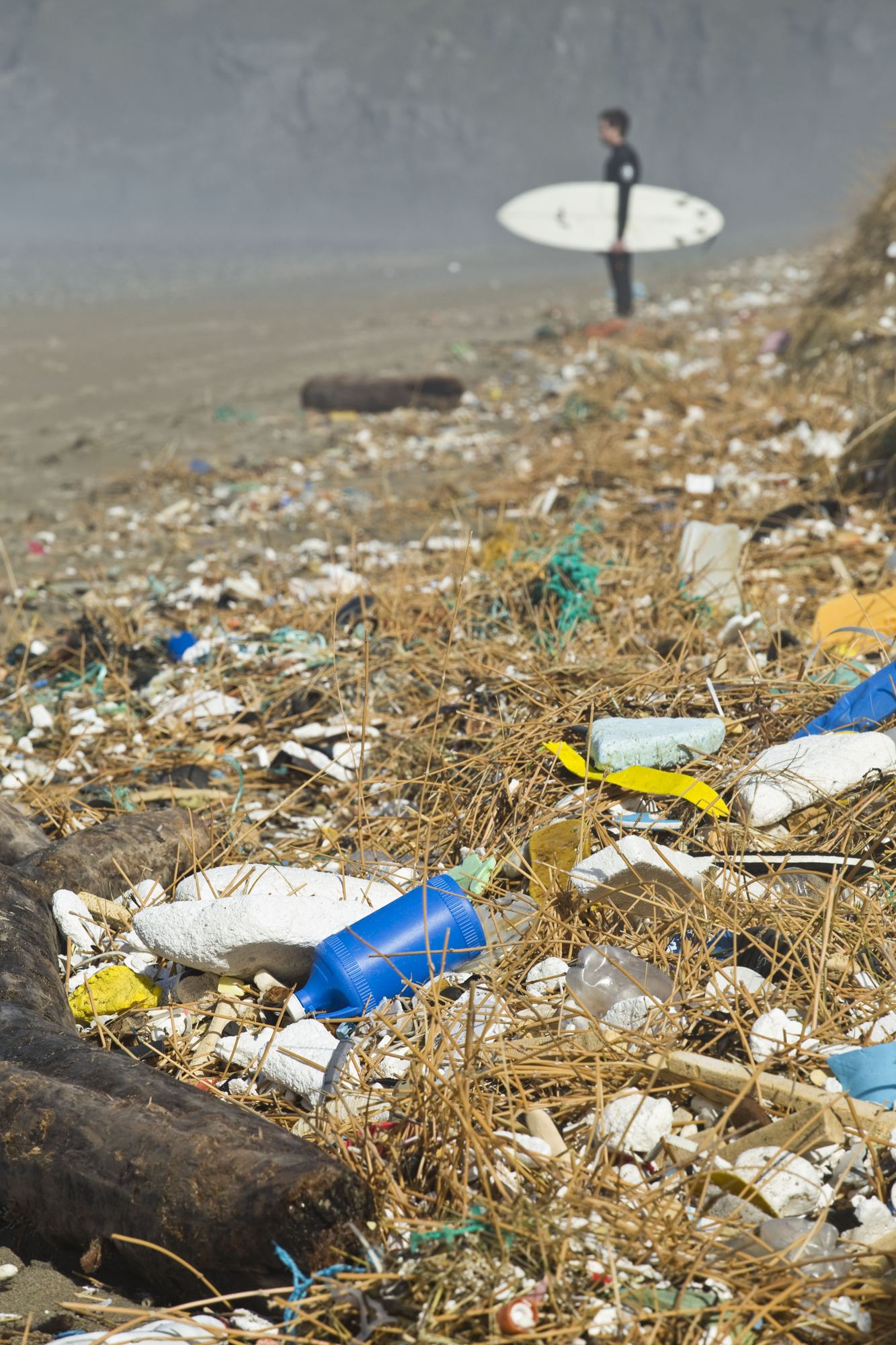
The beaches aren't clean yet, though. Last year 14,507 volunteers recorded 603,963 items, an average of 141 for every 100 metres, and the target for a healthy beach that OSPAR agreed in 2023 is 20.
One dot is one item on 100 metres of beach.
Plastic was 87% of what they found, and it turned up on 99.5% of the beaches they surveyed. Drinks bottles and cans were on 95% of them, and the deposit return scheme meant to deal with those doesn't start until October 2027.
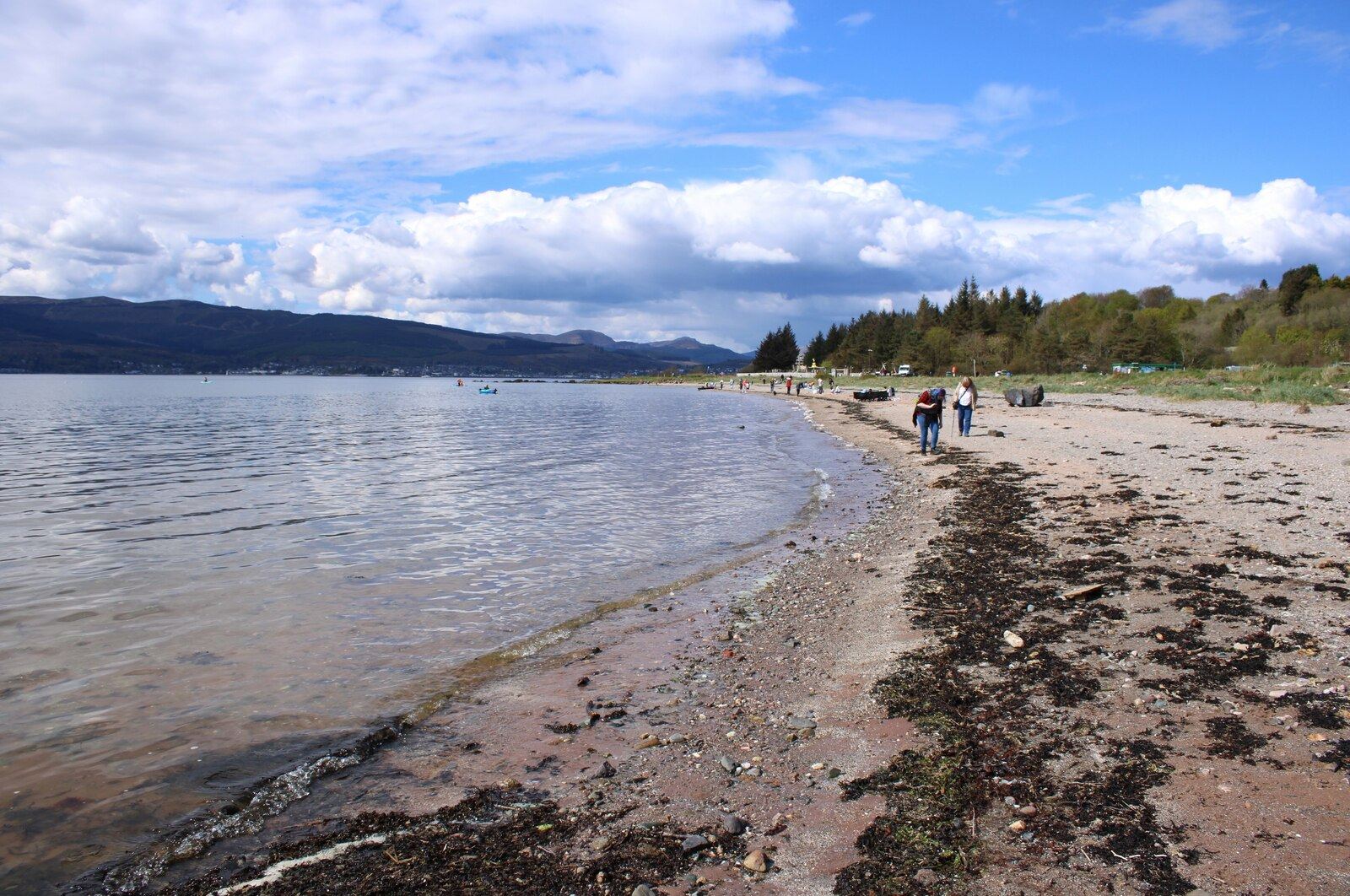
This year's Great British Beach Clean ran from 18 to 27 September, and the results are due in the next few weeks, including whether the vapes keep disappearing after last year's ban. If you'd like to be in next year's numbers, a clean takes about an hour. The Marine Conservation Society keeps a map of cleans near you, and if there isn't one, they have a toolkit for running your own.
Find a beach clean near youThe survey-level data is the OSPAR beach litter monitoring record for the United Kingdom, published openly by EMODnet Chemistry (Beach Litter Surveys Data v2025, country GB), which holds every item on every 100-metre monitoring survey from 2001 to 2021. The UK's monitoring beaches are surveyed by Marine Conservation Society volunteers. I used the 1,533 monitoring surveys recorded on the OSPAR item list, assigned each of the 57 beaches to its nation, and counted shopping bags (OSPAR item 2) and cotton bud sticks (item 98) per survey. Bag comparisons use only beaches surveyed at least twice in the five years before and after each charge, and divide by all litter so a stormy year doesn't look like a policy failure.
Figures from 2022 onwards, and the 88% fall in bags, the 141 items per 100 metres and the 14,507 volunteers, come from the Marine Conservation Society's State of our Beaches reports, which cover many more beaches with a broader method, so I haven't put the two series on the same chart. Small freezer bags rise in the official data from 2016, which looks like a change in how they were recorded rather than a real rise, so I've left them out. Category groupings on the tape are mine.
Survey data: OSPAR beach litter monitoring via EMODnet Chemistry, and the Marine Conservation Society's State of our Beaches reports. This page is not affiliated with the Marine Conservation Society. It just admires the people who do the counting. · The Data Drop