Why Diwali is celebrated: Rama, Lakshmi and the row of lamps
Diwali means a row of lamps. Hindus, Sikhs and Jains each have a story for why the lamps are lit, and the best known is a prince coming home.
8 November 2026
Diwali is today, Sunday 8 November. Hindus, Sikhs and Jains celebrate it, more than a billion people around the world.
This year it reached new places too: five US governors hosted their state’s first official Diwali.
What the word means
Diwali comes from Deepavali, a Sanskrit word for a row of lamps. It falls on the new moon in the Hindu month of Kartik, the darkest night of the month. That is the night the lamps are lit.
Rama comes home
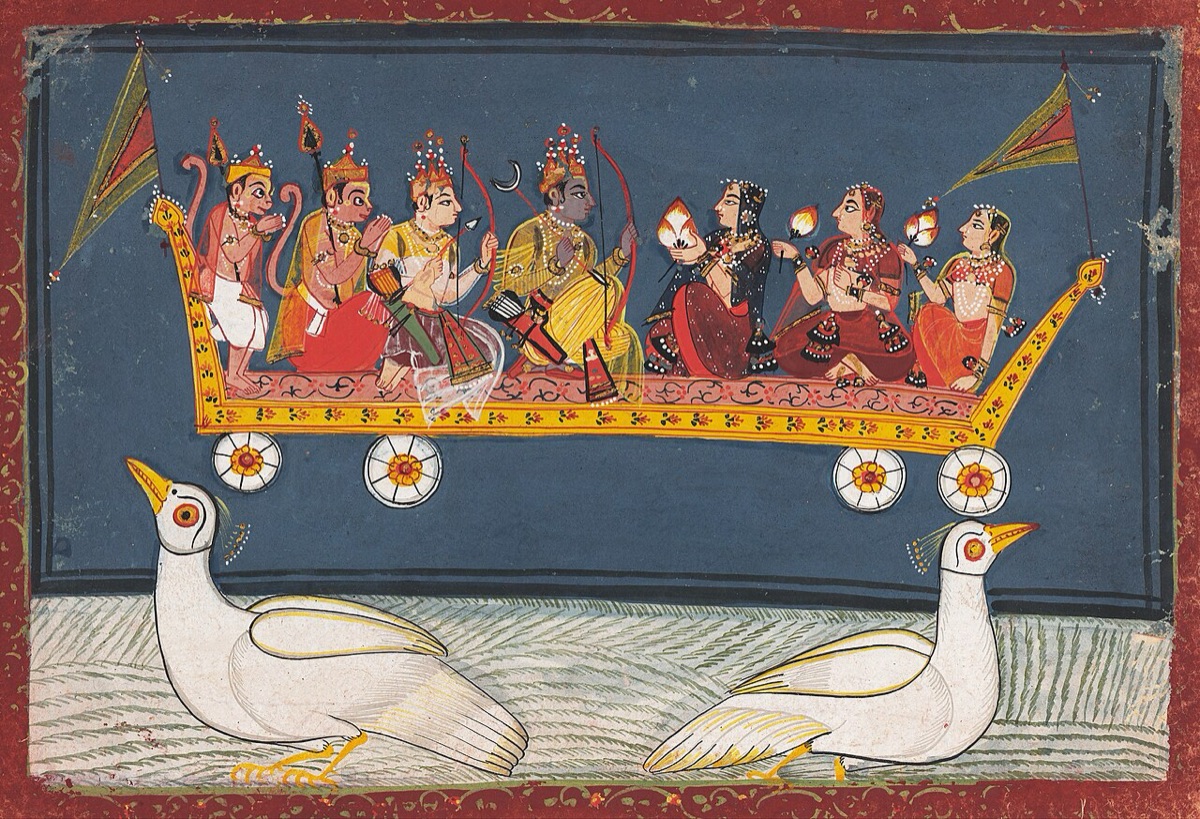
The best known story comes from the Ramayana, an old Indian epic. Rama was a prince of Ayodhya. He was sent away from the kingdom for 14 years, and his wife Sita and brother Lakshmana went with him.
In the forest, Ravana, the king of Lanka, carried Sita away. Rama went after her with an army led by Hanuman. He beat Ravana and brought Sita back.
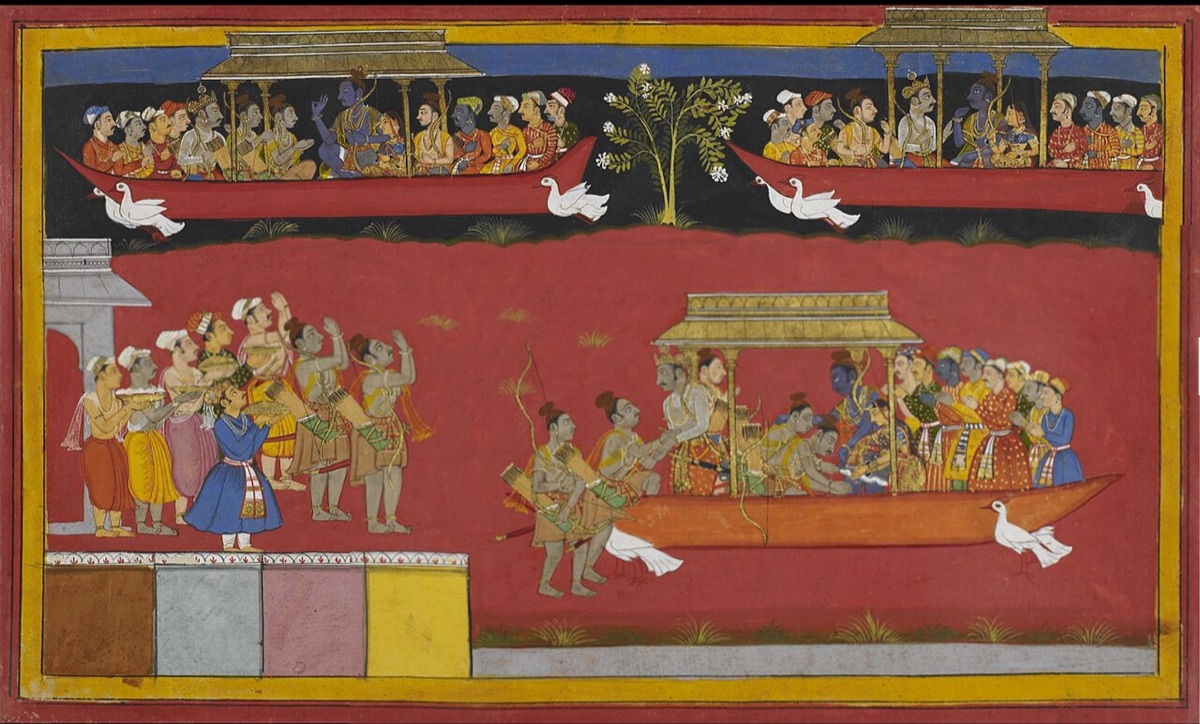
When they reached Ayodhya it was a moonless night. The people lit rows of clay lamps along the streets so Rama could find his way home. Many families say that is why they still light lamps today.
Lakshmi
The main night is also for Lakshmi, the goddess of wealth and good luck. Families clean the house from top to bottom before it.
On the night they pray to her, a puja, and leave lamps burning by the door. The old belief is that Lakshmi visits homes that are clean and bright.
Krishna, and other stories
In much of south India, Diwali is about Krishna. He killed a demon king called Narakasura and freed the people he held. That day is Naraka Chaturdashi, the day before the main night, and many families take an oil bath at dawn.
In Bengal the same night is Kali Puja, for the goddess Kali.
Sikhs mark Bandi Chhor Divas. In 1619 Guru Hargobind was let out of Gwalior Fort, and he would not leave without 52 princes held with him. The Golden Temple in Amritsar is lit up for it.
For Jains, Diwali is the night Mahavira, their last great teacher, reached moksha, freedom from the cycle of rebirth.
The five days
Diwali lasts five days. It starts with Dhanteras, when many people buy something new, often gold, silver or a steel pot.
Next comes Naraka Chaturdashi, then the main night with Lakshmi Puja. The fourth day is Govardhan Puja, for the time Krishna lifted a hill to shelter people from a storm. The last day is Bhai Dooj, for brothers and sisters.
What people do
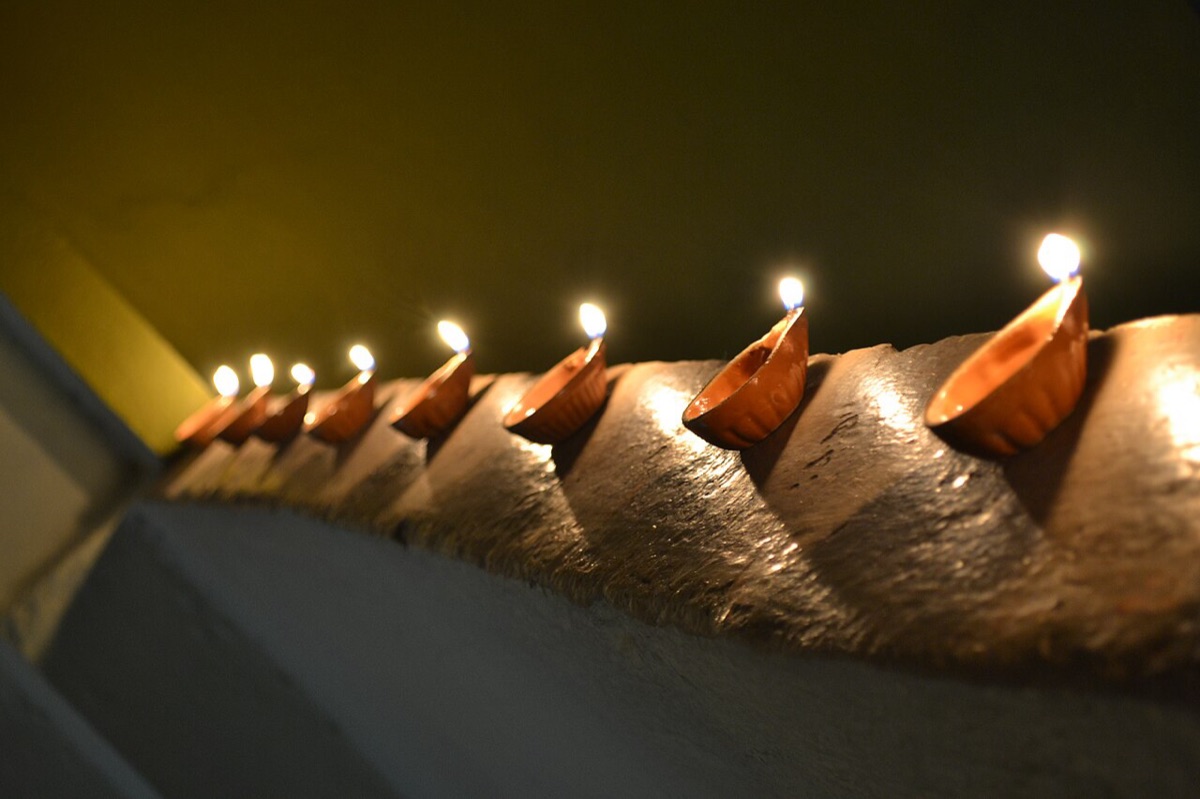
People put small clay oil lamps, called diyas, along windows, doors and walls. They draw a rangoli at the door, a pattern made of coloured powder, rice flour or petals.
They wear new clothes, visit family and take boxes of sweets to friends and neighbours. At night there are fireworks.
Carry a story in five words
We run a game called Long Story Short: one real news sentence a day, and you keep the five words that carry it. Today’s is below. Do play.
How to play
One real news sentence. The job is to keep the five words that carry the story and let the rest go, then guess. Blue means the right word in the right place, orange the right word in the wrong place.
Yesterday: A 72-year-old stroke survivor who had never swum in his life at first clung to the pool’s side, but kept going back and in the end swam lengths. The five were 72-year-old stroke survivor swam lengths.