He bought a fifth of a barley farm to shoot ducks. Then he flooded it.
In 2017 Karl Wenner, a retiring surgeon in Klamath Falls, Oregon, bought into Lakeside Farms for the duck hunting, found the farm was pumping phosphorus into the lake next door, and four years later diked off 70 of its 400 acres and let the water in. The ducks came in their tens of thousands, then 140 species of birds, then the first endangered fish ever released on private land.
9 September 2026
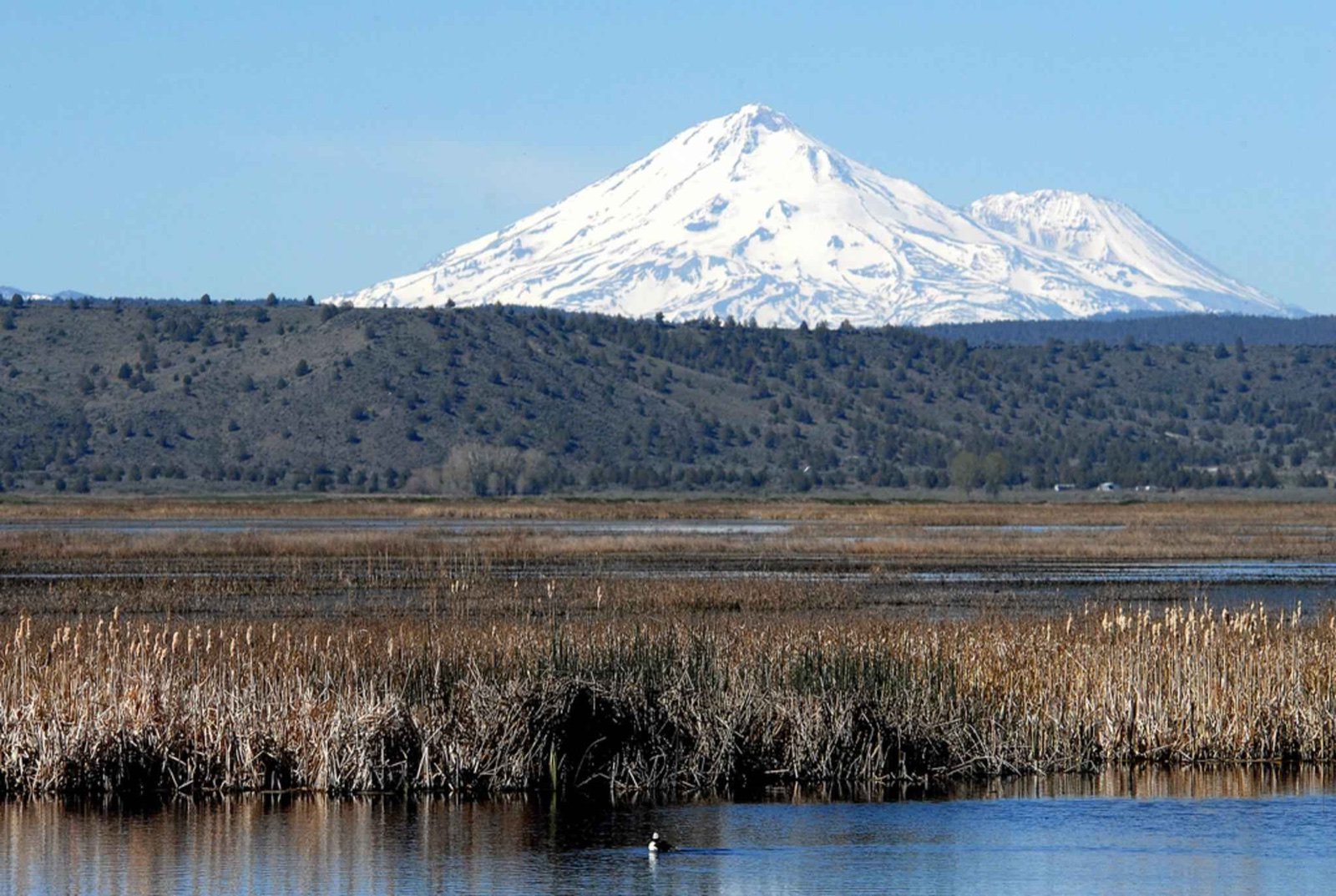
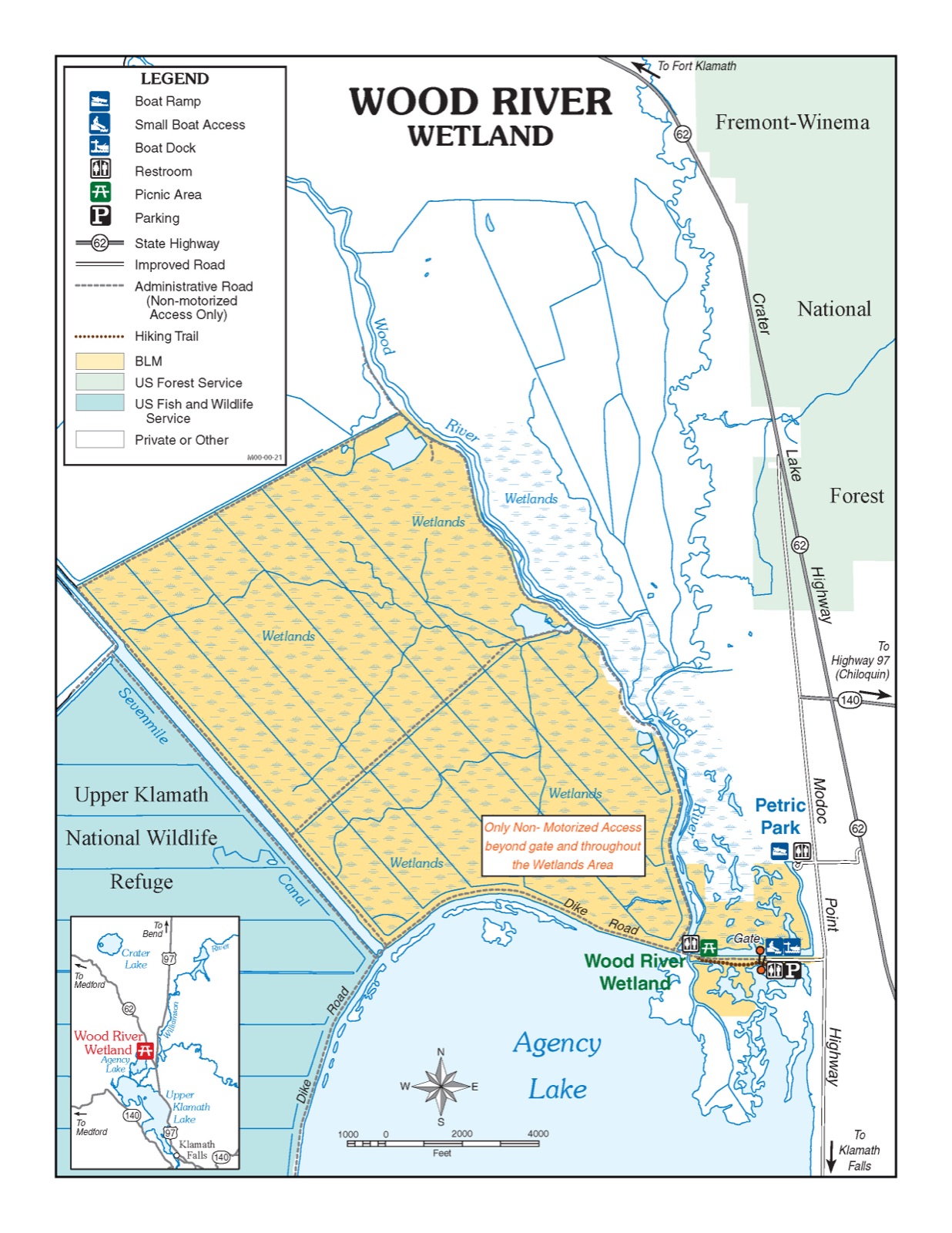
Lakeside Farms sits on the south-eastern shore of Upper Klamath Lake, just north of Klamath Falls on Highway 97, on land that was a fringe of wetland until it was diked and drained early in the last century and put to barley, and it had grown grain more or less continuously since the war when Karl Wenner, an orthopaedic surgeon looking at retirement, bought a one-fifth share in it in 2017 because the place had more water than any farm around it and the ducks knew. His plan, by his own account to Yale Environment 360, was to spend his retirement shooting them.
What he found instead was that the springs on the farm ran too generously, and that the excess water the farm pumped into the lake every year carried phosphorus at levels far above what the state allowed, which mattered because Upper Klamath Lake already had too much of it, and phosphorus feeds the algae blooms that pull the oxygen out of the water and kill the young of two endangered fish, the C'waam and the Koptu, Lost River and shortnose suckers, which the Klamath Tribes have eaten and held sacred for longer than anyone has farmed there. The farm was, in a small way, part of the reason the fish were dying, and the man who had bought it to hunt ducks turned his attention to water quality.
Seventy acres
It took four years and the agreement of the other owners, plus the Klamath Watershed Partnership and a Fish and Wildlife Service biologist called Dustin Taylor, and in 2021 Wenner diked off 70 of the farm's 400 acres and flooded them with the water the farm had been pumping away, so that instead of running straight into the lake it now wanders through a marsh where the plants take the phosphorus and the sediment out of it before it leaves. The Guardian's headline, when it visited in 2023, was his own line: this place wanted to be a wetland.
The field filled with aquatic plants almost at once, and the plants brought the ducks, geese and swans in their tens of thousands, and after them otters, beavers, muskrats and, by the last count Environment 360 printed, at least 140 species of birds, on a farm that still grows barley on the other 330 acres. The phosphorus problem, the thing that started it, went away.
The fish
On 21 April 2022, with a small crowd around a truck-mounted tank and Wenner holding the net, the Fish and Wildlife Service released 1,712 juvenile C'waam and Koptu from its hatchery in Klamath Falls into a spring-fed pond the project had deepened on the farm, the first time hatchery-raised suckers had gone into a pond on private land, on a working farm, in a basin where farmers, tribes and wildlife agencies had spent thirty years fighting over the same water. The shortnose sucker population in the lake had fallen from more than 20,000 to about 3,400 in five years. Roughly 5,000 young fish were due at Lakeside that spring.
Ducks Unlimited's western operations director, Jeff McCreary, told Environment 360 the experiment showed that wetlands and farming together "can lead to a more resilient watershed where abundant fish, wildlife, and better water quality are not divergent outcomes,".
Carry this story in five words
We run a game called Long Story Short: one real news sentence a day, and you keep the five words that carry it. This article was Tuesday's puzzle. Do play.
How to play
One real news sentence. The job is to keep the five words that carry the story and let the rest go, then guess. Blue means the right word in the right place, orange means it is one of the five but sitting somewhere else, and grey means it is not one of them. Five tries. The result beats the process, the name or the job beats the place, and little words like a, the and of never count.
Today: Weldon Bowen, a Marine veteran who turned a hundred on Saturday in Tyler, received over 4000 birthday cards after the state of Texas requested 100. The five: Bowen received 4000 birthday cards.