Somebody handed albums of old banknotes in to an Edinburgh charity shop. They sold for £85,860.
Somebody walked into the British Heart Foundation shop at Straiton Retail Park in Edinburgh and handed over some albums of old banknotes. They didn’t leave a name. On Wednesday the notes sold at auction in London for £85,860, and the money goes to heart research.
19 October 2026
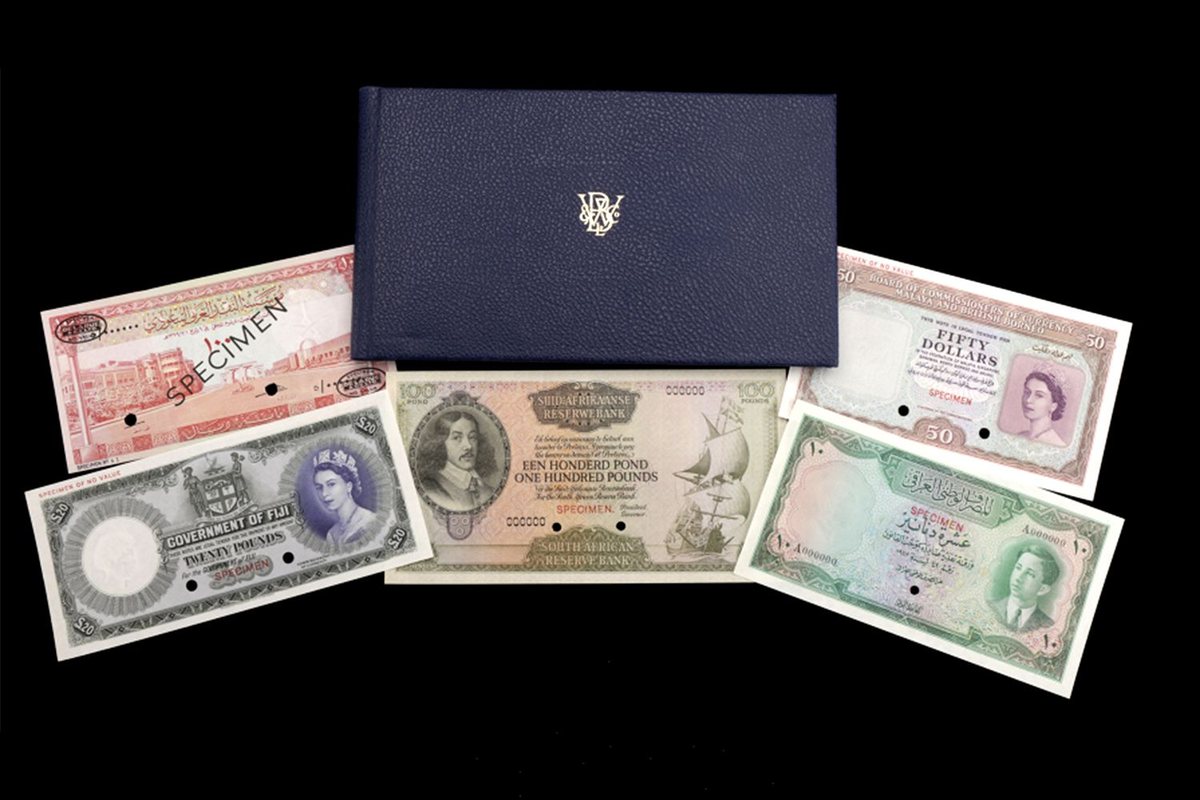
Photo: Noonans, via the British Heart Foundation
The albums came into the charity’s home and fashion shop, and the staff looked through them before doing anything else. David McCormack manages the shop.
When the donation came into the shop, we all looked through the folders but didn’t know much about the banknotes, so we sent them to our eBay team in Leeds to investigate.David McCormack, shop manager
The eBay team in Leeds worked out what the shop had been given. “When we discovered their potential value, we were flabbergasted,” McCormack said.
Money you can’t spend
There were almost 160 notes from around the world, and most of them were specimens and colour trials.
A specimen is a sample note. It’s stamped SPECIMEN and punched with holes so nobody can spend it. A colour trial is a test print, made while a bank is still deciding what its note should look like.
One of them is a fifty-dollar note from the Board of Commissioners of Currency, Malaya and British Borneo, with a portrait of a young Queen Elizabeth II. Printed across the top are the words “Specimen of no value”. It sold for £4,000, according to Noonans’ catalogue.
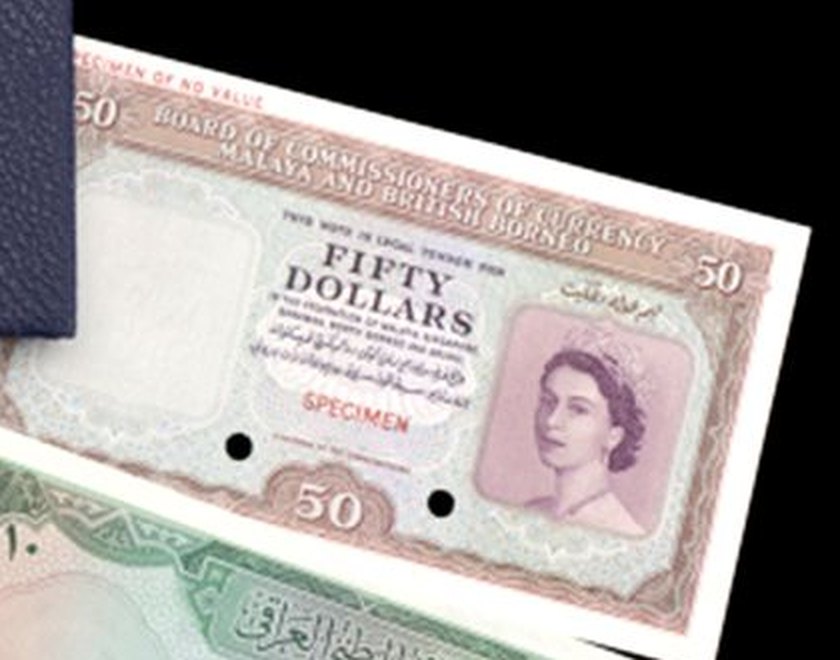
Photo: Noonans, via the British Heart Foundation
The note that made the most was a 1952 colour trial for a South African Reserve Bank £100 note, which went for £7,000. A 1947 colour trial for an Iraqi 10 dinar note also made £4,000. There was also a 1961 specimen of a Saudi 100 riyal note.
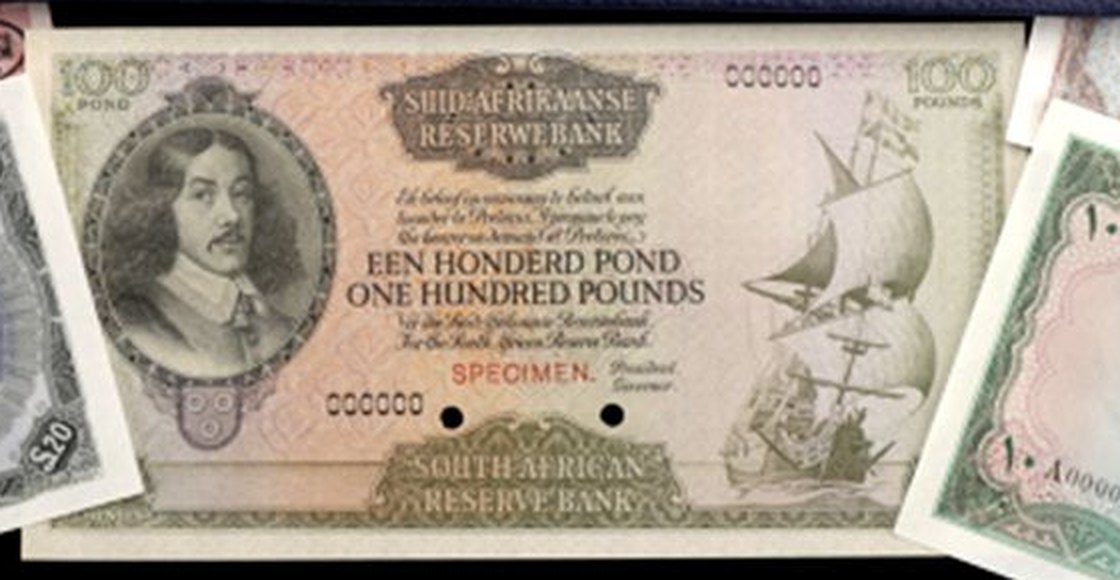
Photo: Noonans, via the British Heart Foundation
Two of the pieces are hand-painted designs for Royal Bank of Scotland notes from 1967, which the bank never went on to print, The Scotsman reported.
One has the industrialist David Dale on it, with the University of Glasgow and a statue of Lord Kelvin. The other has Archibald Campbell, the 3rd Duke of Argyll, with Edinburgh Castle and the Old Town as you’d see them from Salisbury Crags.
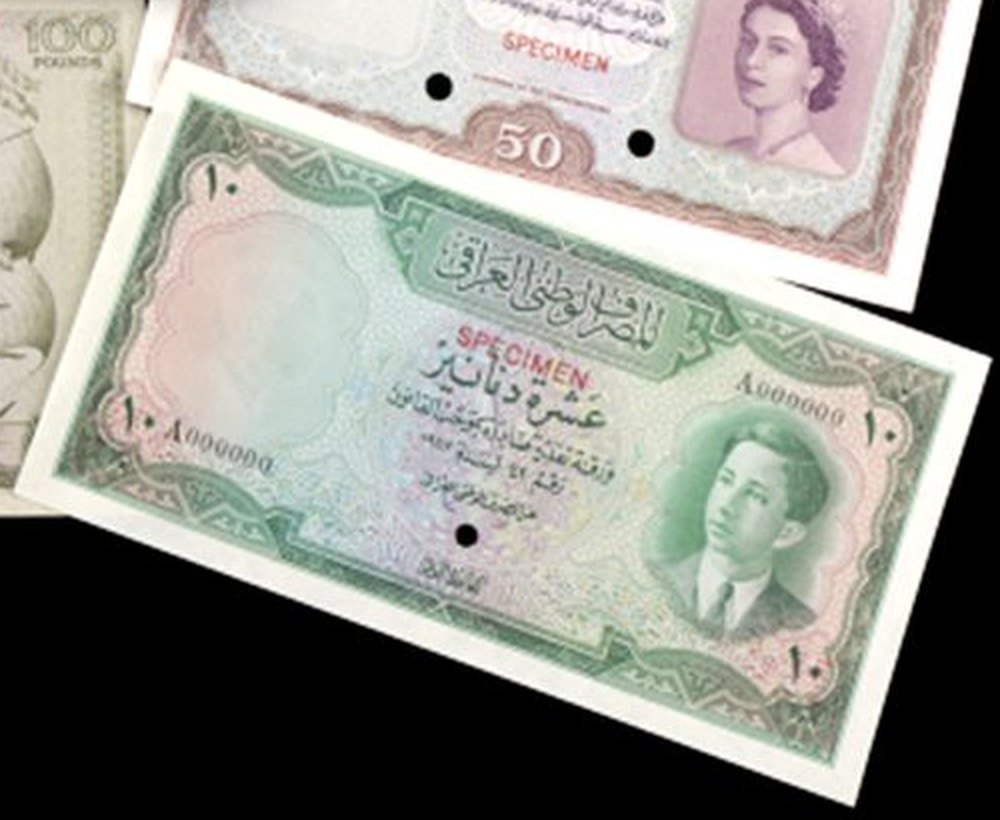
Photo: Noonans, via the British Heart Foundation
A little bit more than normal
The British Heart Foundation sent the albums to Noonans, an auction house in London, and the notes were sold on Wednesday 14 October. Noonans didn’t charge the charity its usual seller’s fee.
Andrew Pattison, who runs Noonans’ banknote department, said buyers paid a bit extra because the money was going to charity.
Material of this quality is extremely rare and collectors all over the world have responded extremely well, with many of the notes selling for that little bit more than normal on account of the charitable nature of the sale.Andrew Pattison, Noonans
The charity still doesn’t know who handed the albums in. Allison Swaine-Hughes, its chief commercial officer, said: “We are incredibly grateful to the donor who chose to entrust these remarkable banknotes to us.”
Carry a story in five words
We run a game called Long Story Short: one real news sentence a day, and you keep the five words that carry it. Today’s is below. Do play.
How to play
One real news sentence. The job is to keep the five words that carry the story and let the rest go, then guess. Blue means the right word in the right place, orange the right word in the wrong place.
Yesterday: When a teacher was turned down as a donor, his school’s janitor volunteered, and the janitor’s kidney, given to a stranger in a swap, saved the teacher’s brother. The five were janitor’s kidney saved teacher’s brother.