Stanford’s Karl Deisseroth wins the Nobel for switching brain cells on and off with light
Karl Deisseroth, a Stanford neuroscientist and psychiatrist, won a share of the Nobel Prize in physiology or medicine on Monday for optogenetics, a way of switching single brain cells on and off with light so that scientists can see what each one does. He missed the call, and heard the news on his wife’s phone.
8 October 2026
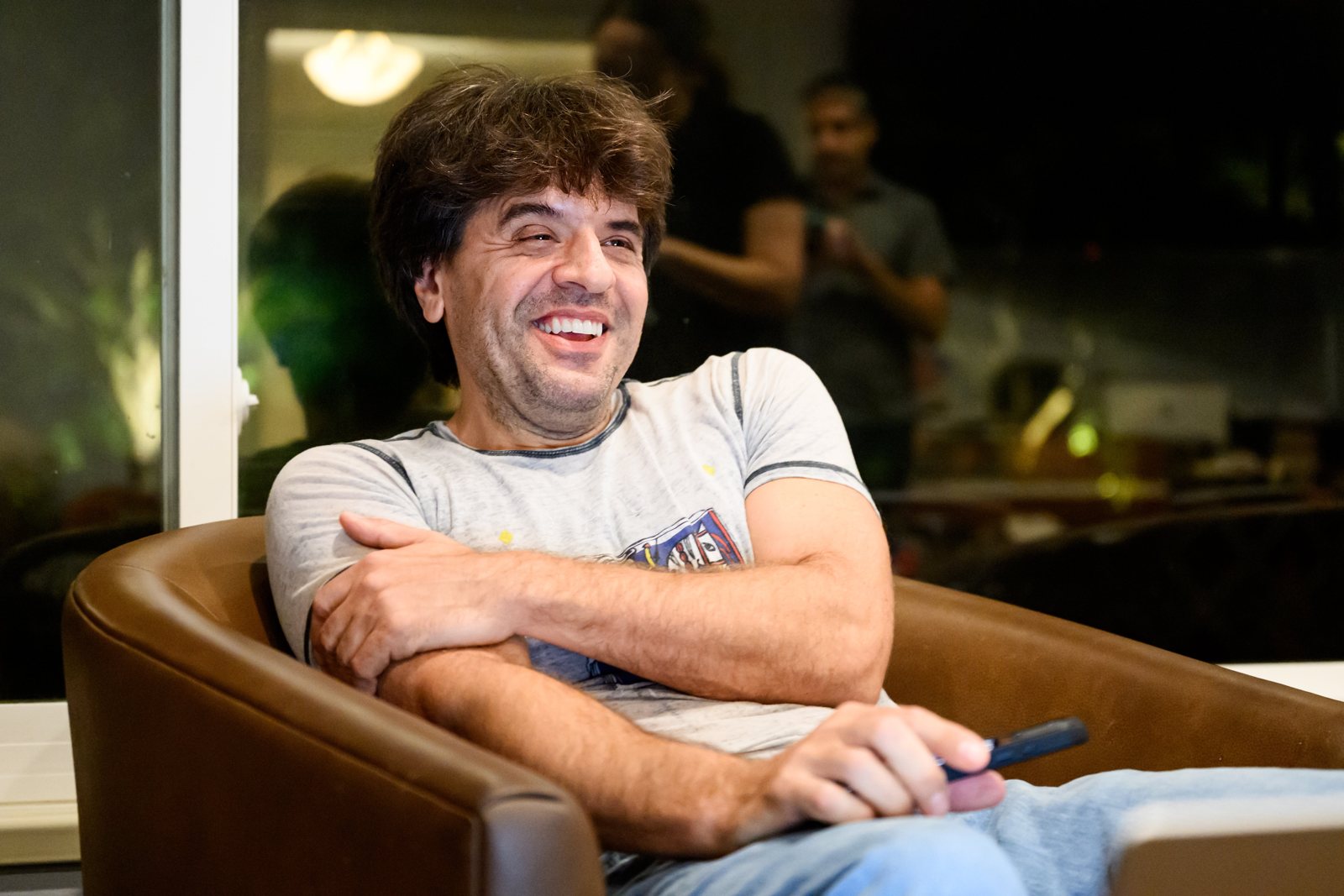
Photo: AP, via Boston.com
The call from Stockholm came at 12:27 in the morning, Pacific time, and Karl Deisseroth missed it. Seconds later his wife’s phone rang, according to Stanford’s account of the morning, and a voice asked a single question: “May we speak with Karl?” Deisseroth, 54, a professor of bioengineering and of psychiatry at Stanford University, shares this year’s Nobel Prize in physiology or medicine with Peter Hegemann of Humboldt University in Berlin and Georg Nagel of the University of Würzburg.
I found I had a hard time speaking. I lost the ability to form words for about 30 seconds or so. It was very surprising and overwhelming. But Michelle was quite… unsurprised.Karl Deisseroth, to Stanford Report
His wife, Michelle Monje, is herself a neuroscientist at Stanford Medicine, where she studies brain cancers in children. Their five children were still asleep while he took call after call from reporters in the living room, drinking coffee from a Game of Thrones mug that reads “That’s what I do. I drink and I know things.”
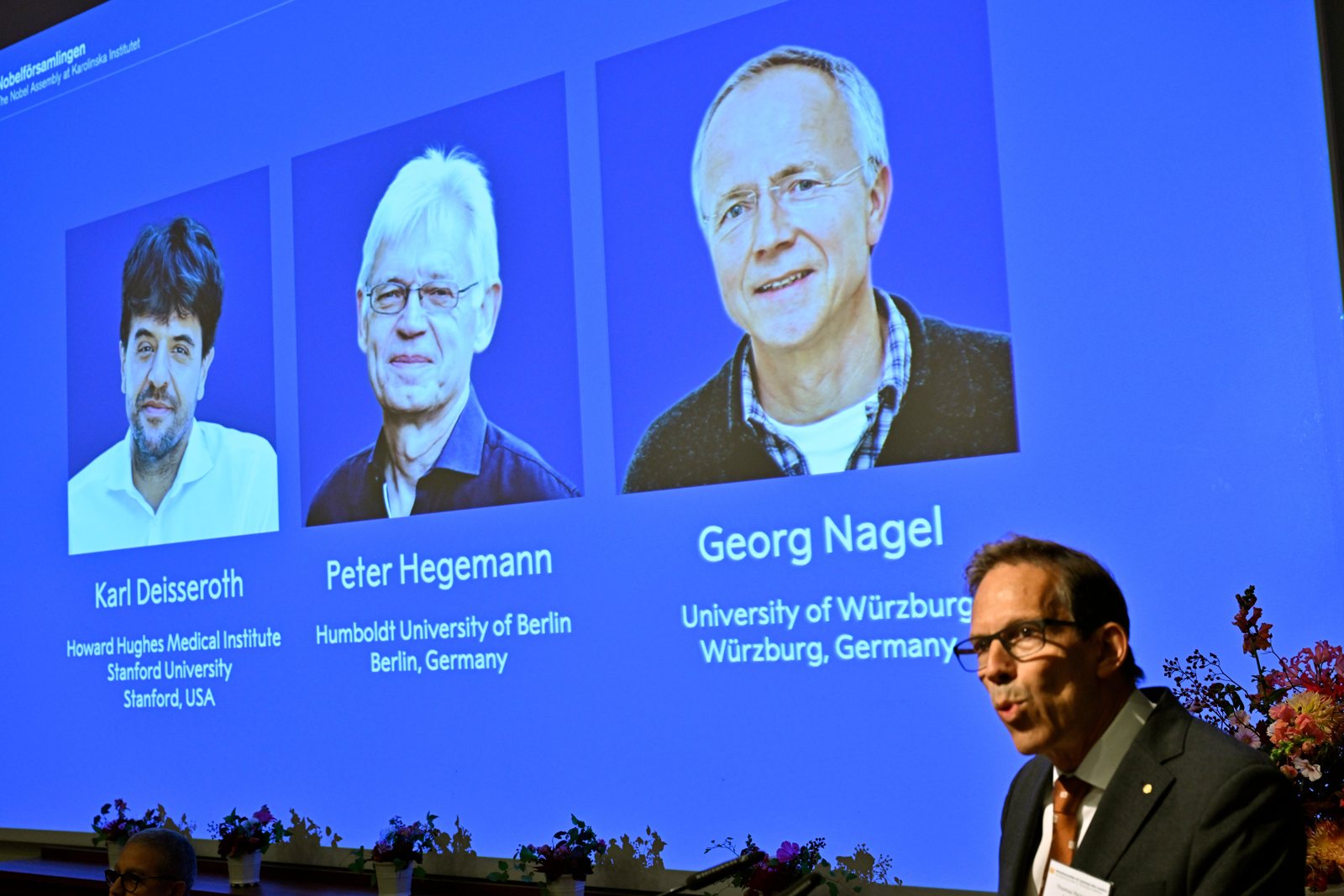
Photo: AP, via Boston.com
What he won it for
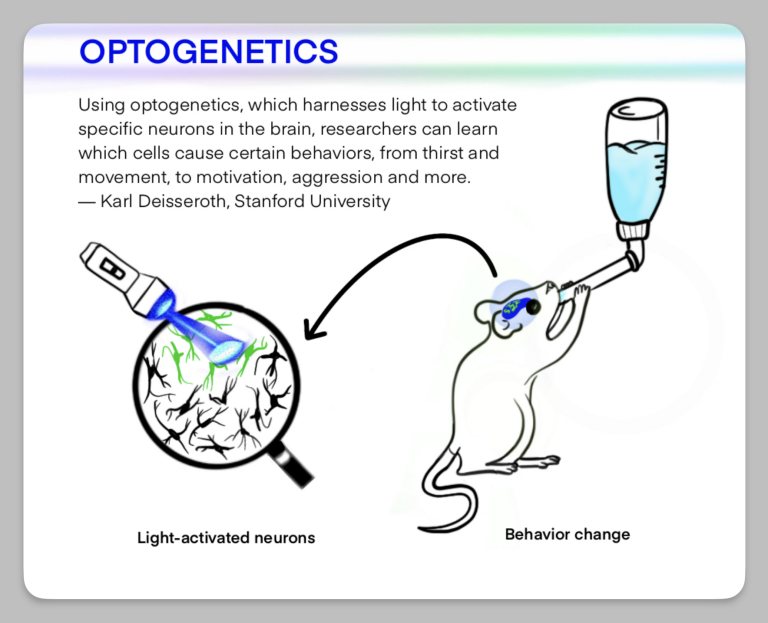
The committee gave the prize for discoveries leading to optogenetics, which it described as a way to switch the activity of individual nerve cells in a living brain on or off. Before it, Stanford explains, scientists studying the brain had two blunt tools: electricity, which sets off nearby cells as well as the ones you want, and drugs, which spread widely and cannot be switched off quickly.
Optogenetics puts light-sensitive proteins called opsins, taken from algae and other microbes, into chosen nerve cells. Shine blue light on those cells and they fire; another kind of opsin, triggered by yellow light, makes them stop. Through an ultrathin optical fibre, researchers can do this inside the brain of a living animal and watch what changes. Deisseroth’s lab used it to reverse the symptoms of Parkinson’s disease in mice and to find a circuit that controls the wish to be with others. He was asked to explain it as he would to a ten-year-old.
We can use light to turn on or off cells in the brain. Isn’t that cool, that we can take a molecule from algae and it lets me turn cells on or off with the flip of a switch? That’s how any 10-year-old would understand a system: by poking it. That’s what we’re doing with optogenetics. We’re poking the brain.Karl Deisseroth
Graphic: Stanford Medicine
Algae
Hegemann and Nagel had found the key protein, channelrhodopsin, in a single-celled alga that uses it to swim towards light. Deisseroth’s idea was to put the gene for it into the nerve cells of mammals, which most people expected to fail: the protein might not be made, might not reach the surface of the cell where it was needed, or might be attacked by the immune system. He started the work in 2004 with two graduate students, in a lab he had only just opened, and published the method in 2005.
I was turned down for funding by a lot of people who thought this couldn’t possibly work. They figured if it worked it would have been done already.Karl Deisseroth
Monje remembers him reading journals about algae, and once going to a meeting about them. “I remember how excited he was when he did the very first experiment, himself,” she said. “It was early July of 2004.” Optogenetics is now used in thousands of laboratories around the world, and Deisseroth shared the gene and his methods with as many of them as he could.
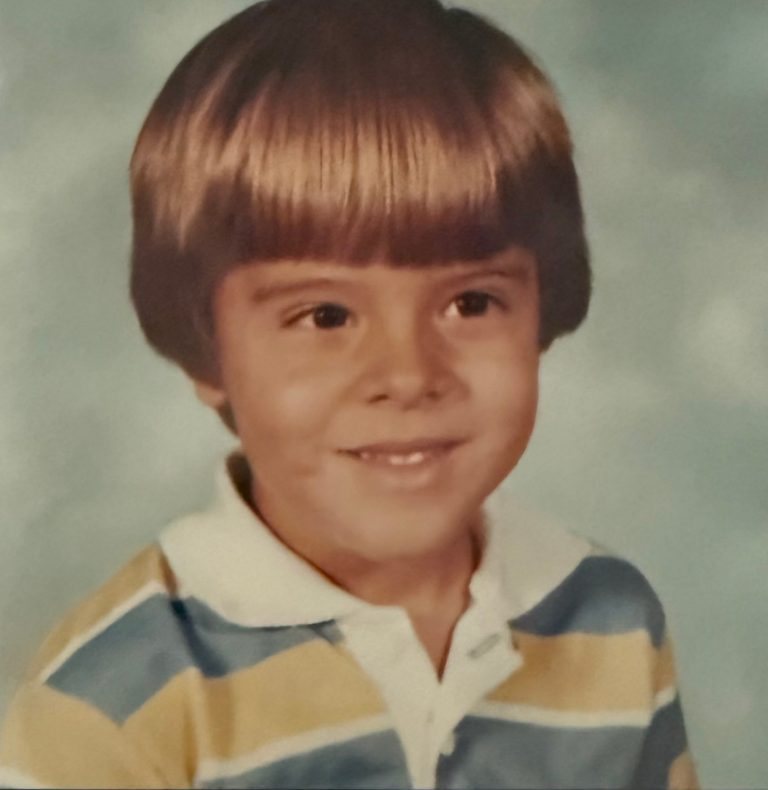
Photo: via Stanford Medicine
He was born in Boston in 1971 and says his first love was writing; he wondered as a child how words could change what he felt. He trained as a doctor at Stanford, planned to be a neurosurgeon, and changed course during a psychiatry rotation. He still sees patients with treatment-resistant depression and autism, and in 2021 he published a book, Projections, about the people he has met in the emergency room.
Monday morning
When Sophie, 10, woke up to the noise in the living room, she told him he had won all the prizes. Emma, 13, was asked what optogenetics is. “Optogenetics is the utilization of light to control the brain and behavior,” she said, and turned to him: “Right?” He said that was exactly right. Their son Alexander, 18, a first-year student at Stanford, saw a text from his mother at 7 o’clock that read “We have news!!” and rode over on his bike, five minutes away.
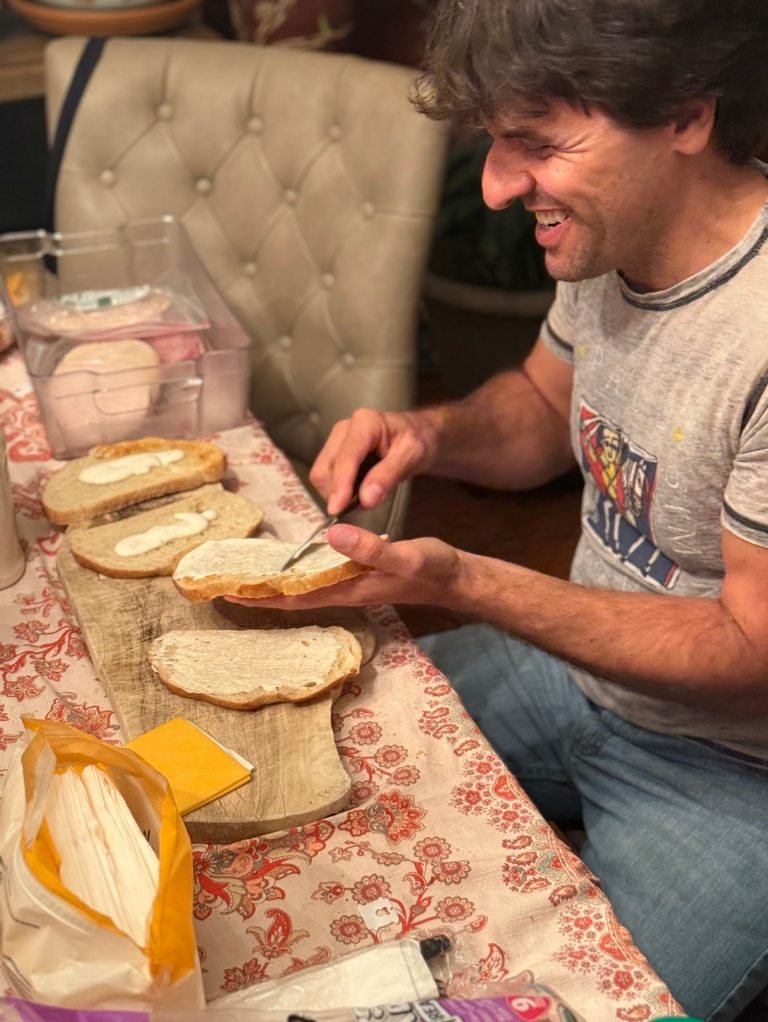
Photo: Stanford Medicine
Then he made the school sandwiches, as he does every school morning: four for Hudson, 16, with ranch dressing, cheddar, salami and turkey; one for Sophie, also ranch, cheddar and meat; and one for Emma, almond butter, honey and cinnamon, on raisin bread, which Stanford reports is non-negotiable.
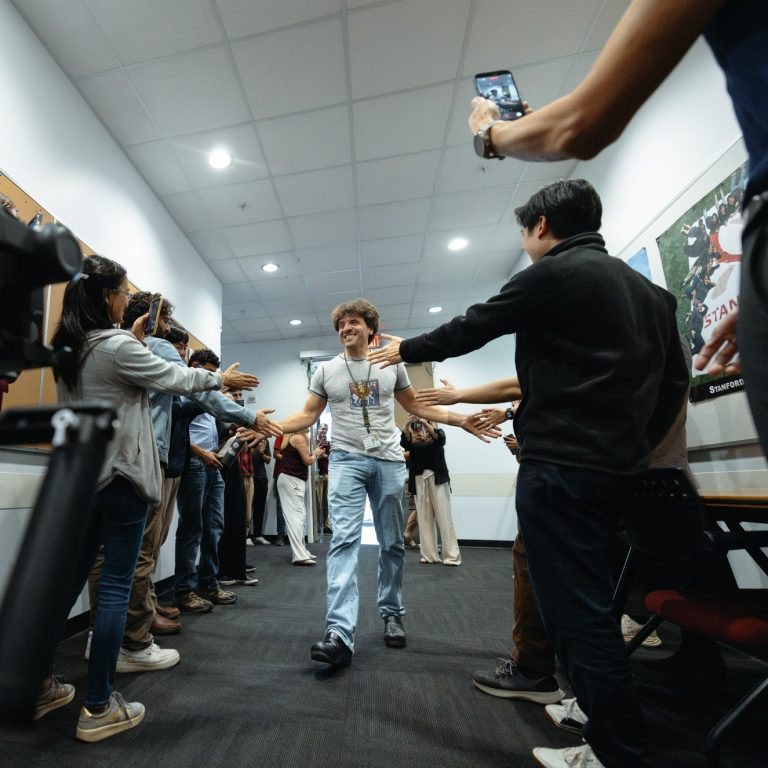
Photo: Stanford Medicine
Asked how he planned to celebrate, he gave Stanford a short answer.
Get back to work. We have a lot of things still to discover and a lot of people to help.Karl Deisseroth
Carry a story in five words
We run a game called Long Story Short: one real news sentence a day, and you keep the five words that carry it. Today’s is below. Do play.
How to play
One real news sentence. The job is to keep the five words that carry the story and let the rest go, then guess. Blue means the right word in the right place, orange the right word in the wrong place.
Yesterday: A police dog named Arch picked up a scent at a Colorado campsite and found three missing children a mile and a half into the wilderness, all unhurt. The five were police dog found missing children.