Bose asked Gandhi for his blessing on the radio in 1944, and called him Father of our Nation
Gandhi is called the Father of the Nation in India. No government there has ever conferred the title on him. The words were used by Subhas Chandra Bose in a radio broadcast on 6 July 1944, when he asked Gandhi for his blessing.
2 October 2026
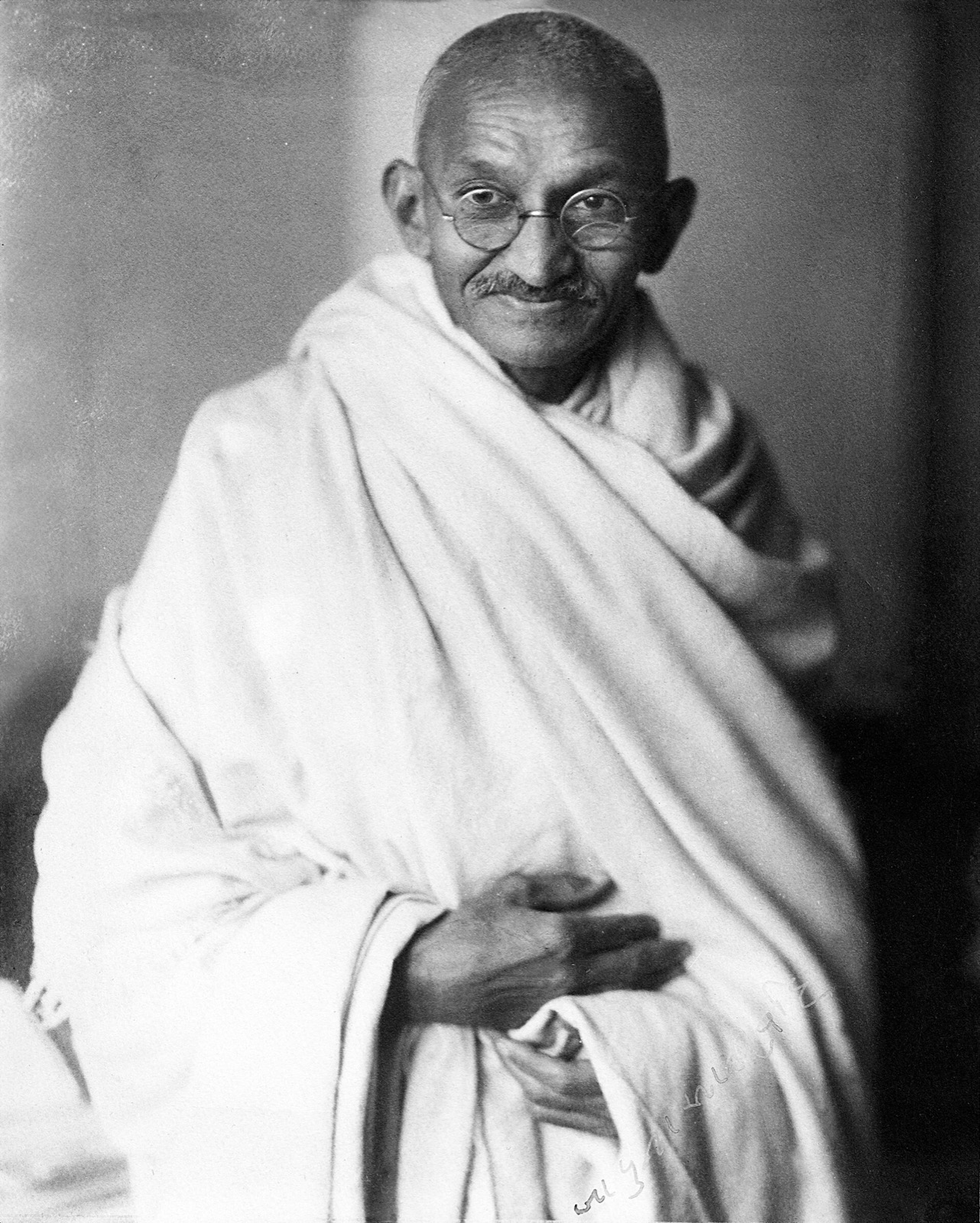
Photo: Elliott & Fry, via Wikimedia Commons, public domain
Gandhi was born on 2 October 1869 at Porbandar, on the coast of what is now Gujarat, and in India he is called the Father of the Nation. No government ever gave him that title. There is no order, no proclamation and no date on which it was conferred, and the Indian government has said as much when people have asked.
The words came from Subhas Chandra Bose. On 6 July 1944 Bose, who was then leading the Indian National Army in south-east Asia, spoke to India over Azad Hind Radio, and in that broadcast he addressed Gandhi as the Father of our Nation and asked him for his blessing. Accounts differ on where the transmitter was that day; some put it at Rangoon and some at Singapore, and the station had moved more than once during the war.
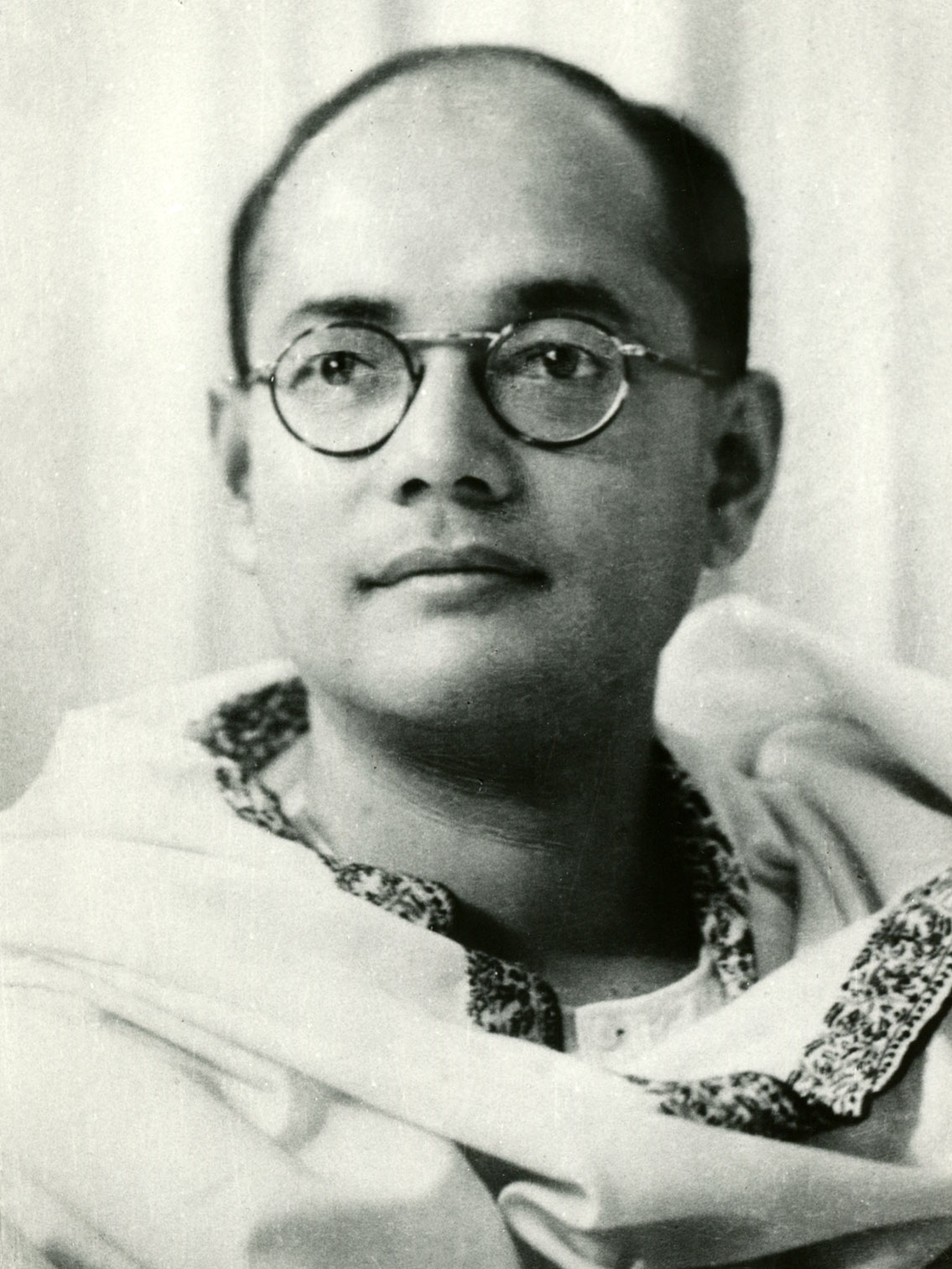
Photo: Netaji Research Bureau, via Wikimedia Commons, public domain
Nobody signed anything
The phrase was not official then and it is not official now. It spread because people used it. Sarojini Naidu used it of Gandhi in April 1947, and by then it was in common speech, and it has stayed in common speech for eighty years without ever being written into law.
Bose and Gandhi disagreed about a great deal, including the methods by which independence should be sought, and they had fallen out badly in 1939. The broadcast was made five years after that, by a man asking an older man for his blessing.
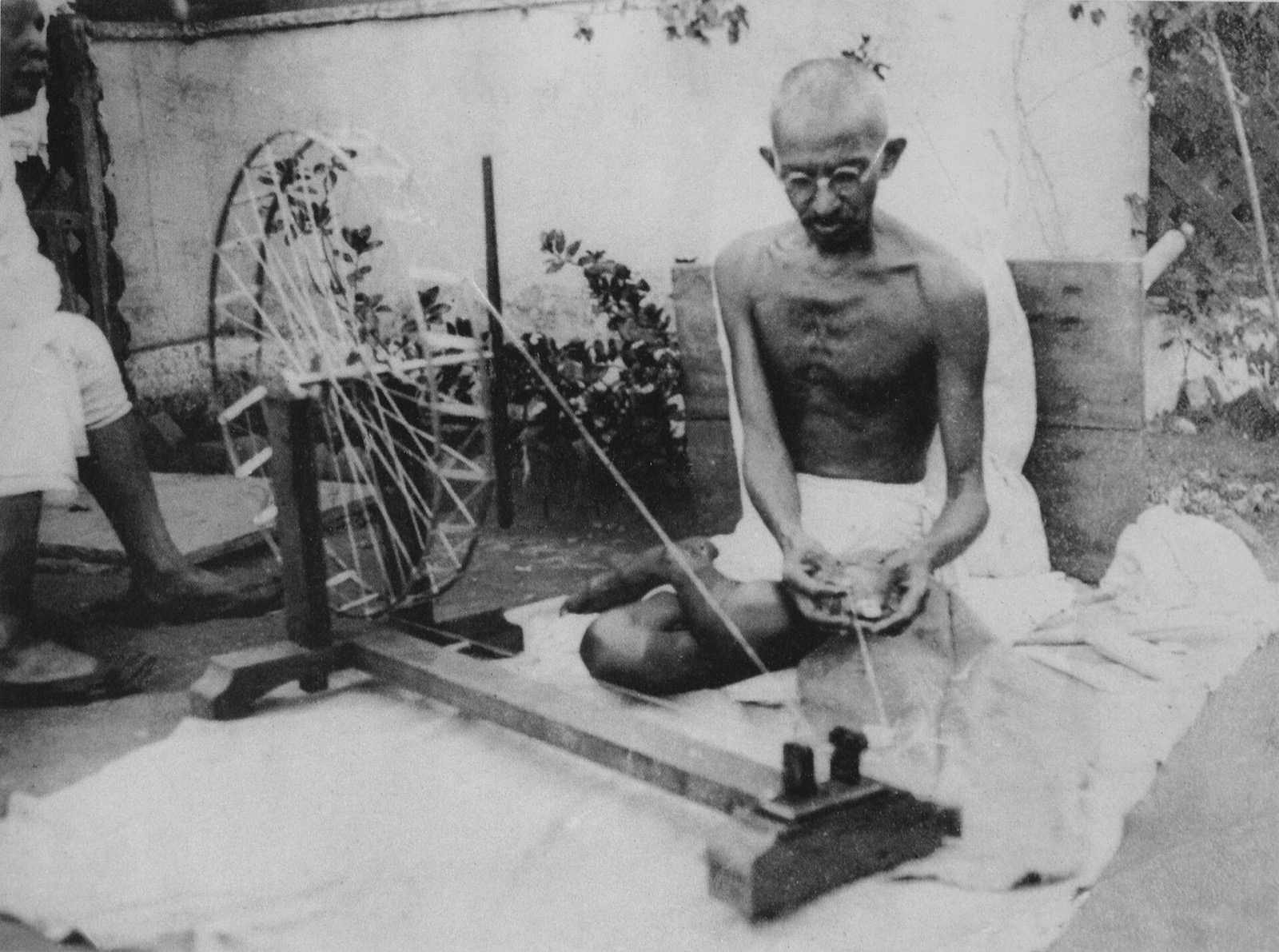
Photo: via Wikimedia Commons, public domain
Bapu
The title most Indians actually use for him is older and shorter than the one Bose gave him. It is Bapu, which is Gujarati for father, and it is what the people around him called him while he was alive. He was assassinated in New Delhi on 30 January 1948, four months after independence.
Carry a story in five words
We run a game called Long Story Short: one real news sentence a day, and you keep the five words that carry it. Today’s is below. Do play.
How to play
One real news sentence. The job is to keep the five words that carry the story and let the rest go, then guess. Blue means the right word in the right place, orange the right word in the wrong place.
Yesterday: Seventy volunteers took turns on the sand through the night and saved 229 of the baby turtles that the beach lights were pulling towards the road. The five were volunteers saved 229 baby turtles.