Ke Huy Quan was twelve when Spielberg and Lucas put him into the residuals of Temple of Doom, and never told him
A cheque for nearly a hundred thousand dollars turned up at the family's kitchen table, and Quan, who tells the story in his memoir, walked in to find both his parents standing there, his mother holding an envelope with his name printed across it. Residuals were not something child actors were given in 1984.
22 September 2026
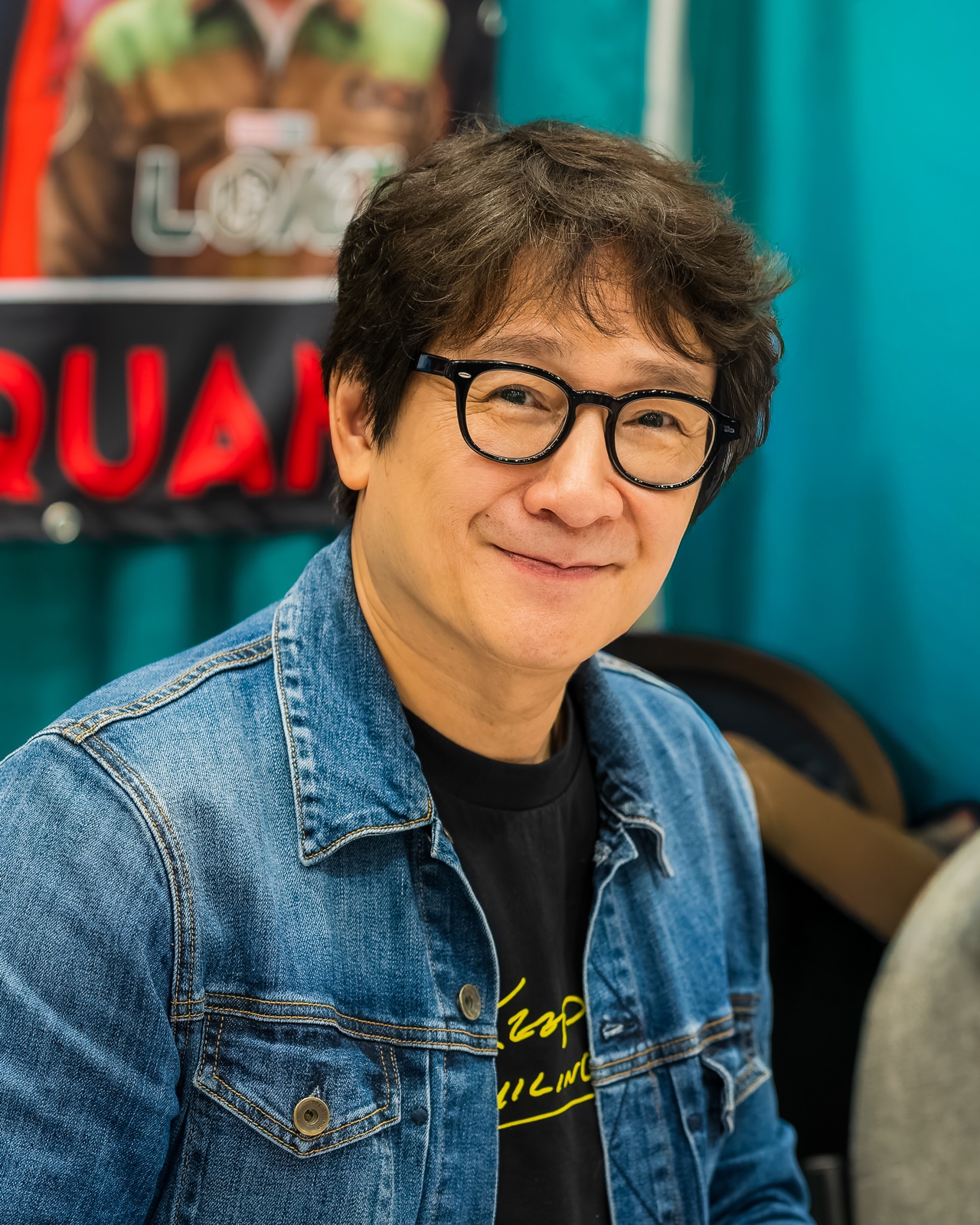
Photo: John Manard, CC BY-SA 4.0, via Wikimedia Commons
Ke Huy Quan has said that the first residual cheque he received for Indiana Jones and the Temple of Doom came because Steven Spielberg and George Lucas had written a twelve-year-old into the film's residuals at a time when child actors were simply not given them, and that he found out about the arrangement only when he walked into his own kitchen and saw his parents waiting for him.
Quan, who was born in Saigon and came to the United States as a child after his family left Vietnam, was cast as Short Round in the 1984 film, the second of the Indiana Jones pictures, and it was his first job in a film of any kind. The cheque came from Lucasfilm roughly two years after he had signed on, and he has described the two of them standing together at the table waiting for him to come in and open it.
What was in it
Inside was a payment close to a hundred thousand dollars, a number that meant nothing to a boy who had finished one film and gone back to school, and a great deal to a family that had arrived in the country with very little. Quan has called it a quiet gesture from Spielberg and Lucas and said it was life-changing for his family, and the word fits because the arrangement had been made without his knowledge and neither man raised it with him afterwards.
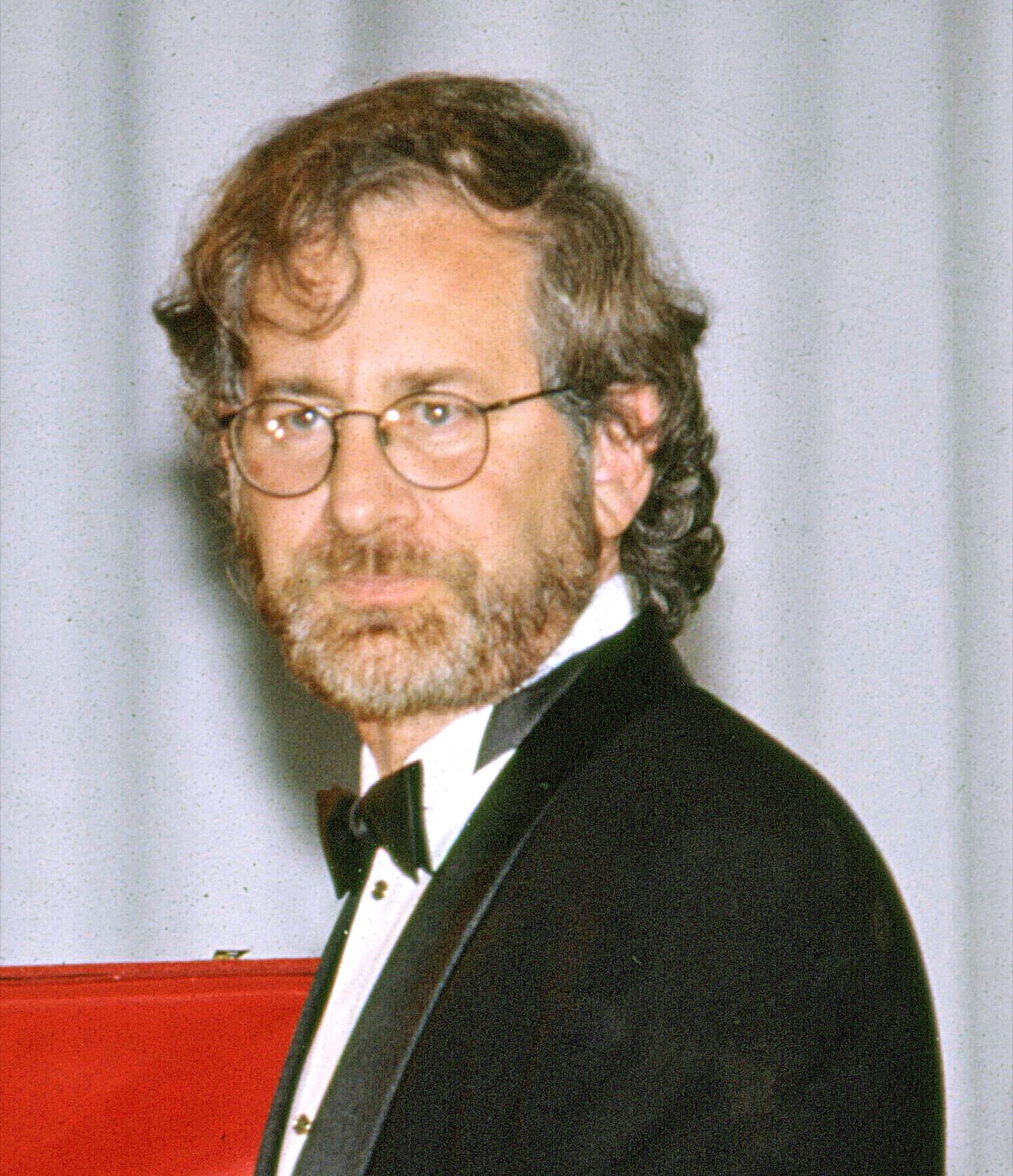
Photo: GianAngelo Pistoia, CC BY-SA 3.0, via Wikimedia Commons
Why it was unusual
Residual arrangements of that kind were rare for actors generally in the early eighties and were effectively unheard of for a child in a first role, which is why Quan talks about it as a decision somebody made in a room he was not in, and the detail he keeps returning to is that his name was already on the envelope before anyone had thought to tell him.
He has also described being sent by Spielberg to cheer up Harrison Ford on the set, which is the other thing he seems to want people to understand about that production, that a twelve-year-old was treated as somebody whose presence was worth something.
Quan stepped away from acting for years afterwards and worked behind the camera instead, before Everything Everywhere All at Once brought him back and won him the Academy Award for best supporting actor in 2023, and the account of the cheque appears now in his memoir, Never Say Die, published on 22 September.
Carry a story in five words
We run a game called Long Story Short: one real news sentence a day, and you keep the five words that carry it. Today's is below. Do play.
How to play
One real news sentence. The job is to keep the five words that carry the story and let the rest go, then guess. Blue means the right word in the right place, orange means it is one of the five but sitting somewhere else, and grey means it is not one of them. Five tries. The result beats the process, the name or the job beats the place, and little words like a, the and of never count.