Four minutes
The Lake Shore and Michigan Southern was the railway that ran along the bottom of Lake Erie between Buffalo and Chicago, through Cleveland and Toledo. Much of it was a single track, so trains going opposite ways shared the same rails and took turns. A slower train would pull into a siding at a station and wait for the faster one to go by. That only works if everyone agrees what time it is.
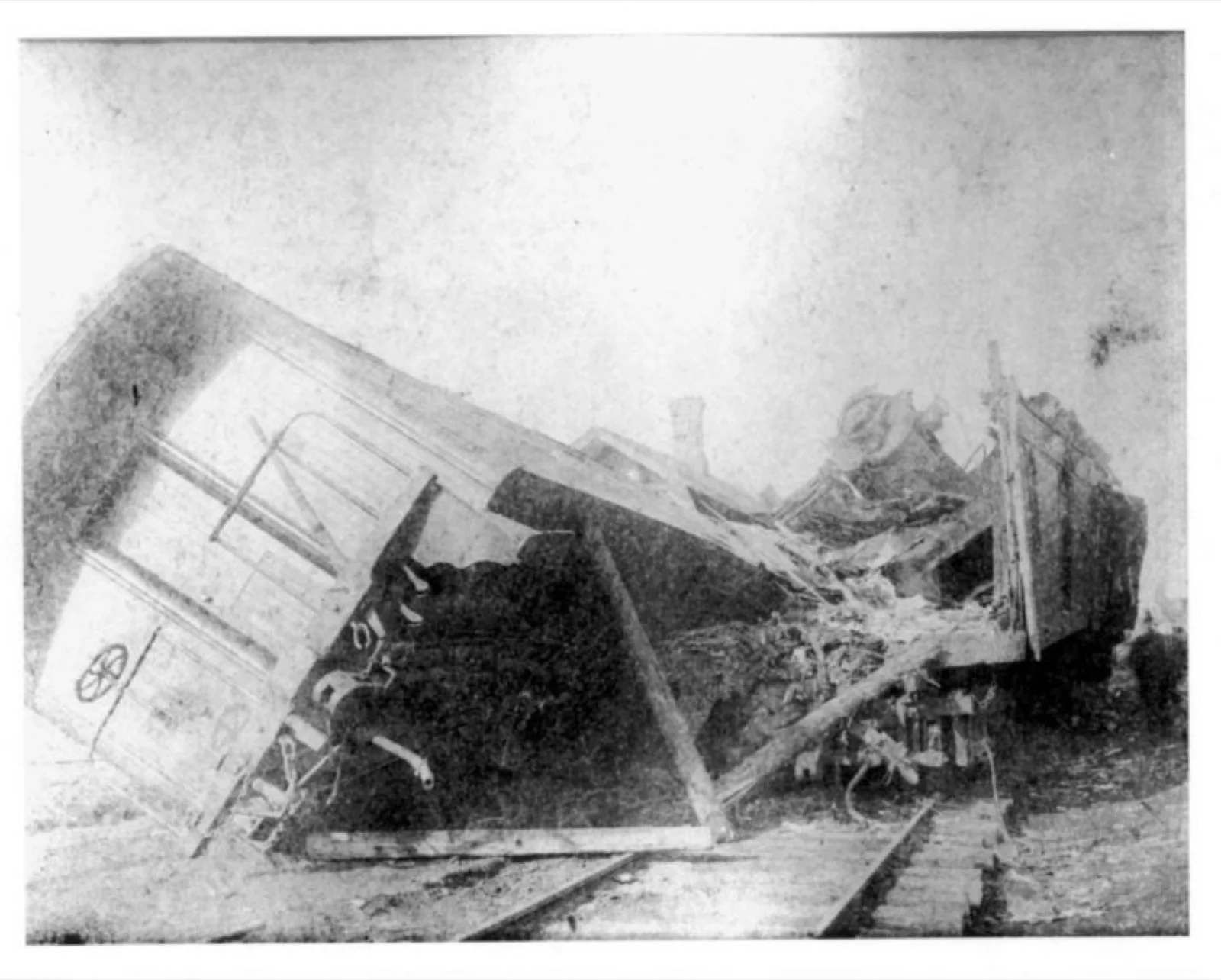
On Sunday 19 April 1891 the fast mail train, No. 14, was running east towards Cleveland. The Toledo Express was running west out of Elyria with passengers. The express was supposed to wait at Kipton, a small station west of Oberlin, and let the mail train through. Its conductor looked at his watch and believed there was time to make Kipton before the mail train did. His watch had stopped for four minutes at some point that morning and then started again, so he was four minutes behind the world. The two trains met at the Kipton depot. Nine people died, among them both engineers and six postal clerks who had been sorting letters in the mail car.
Why a jeweller
In 1891, if you wanted to know whether a watch was any good, you asked a jeweller, because jewellers were the people who sold watches and mended them. Cleveland's was Webb Ball. He had grown up on a farm in Knox County, Ohio, come to the city in 1879, bought into a shop called Whitcomb and Metten, and within two years put his own name over the door. In 1883, the year the railways adopted standard time, he became the first jeweller in Cleveland to take the noon signal by telegraph from the Naval Observatory in Washington and set his shop clock by it. From then on, if you wanted the right time in Cleveland, you looked in Ball's window. So when the railway wanted somebody to look at every watch its men carried, it went to him.
Ball went through 2,300 of them. Then he wrote the rule, and what it meant for a man who ran a train was this. Every two weeks he took his watch to an inspector Ball had approved, usually a jeweller in a railway town. The inspector compared it with standard time and wrote the reading on a card kept for that one watch. If it had drifted more than thirty seconds since the last card, it went away for repair, and the man was lent another, because he was not allowed to run a train with a watch that hadn't passed. Thirty seconds in two weeks is about two seconds a day.
Ball didn't leave the men to find watches that could do that on their own, because the rule also said what had to be inside one. It needed a lever escapement rather than the cheaper kind. It needed at least seventeen jewels doing real work as bearings. And its balance had to be adjusted so the watch ran at the same rate warm or cold, flat or standing on any of its four edges. By the time he died in 1922, three quarters of the railways in the United States were running on his inspection service, 125,000 miles of track, and so were lines in Canada and Mexico.
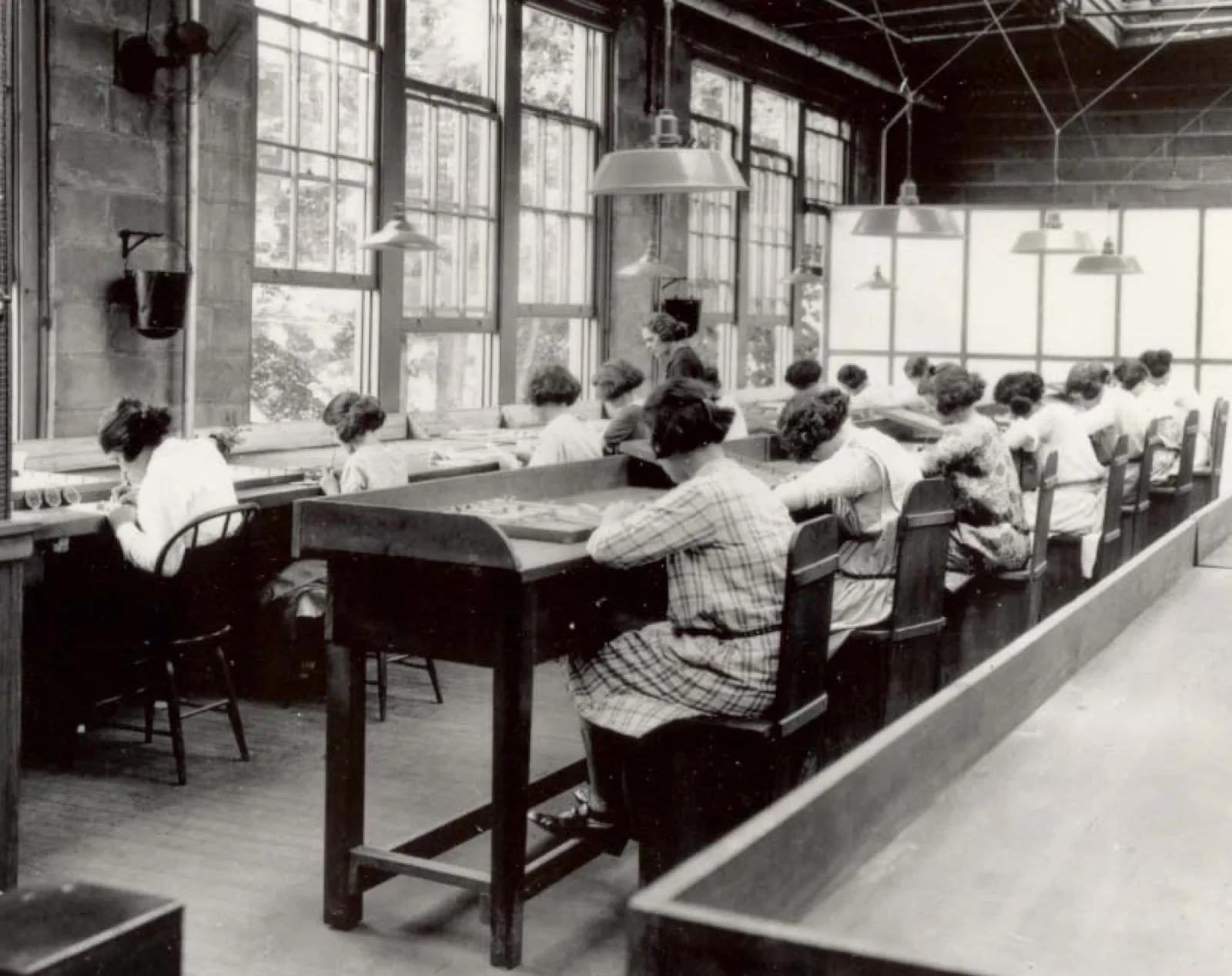
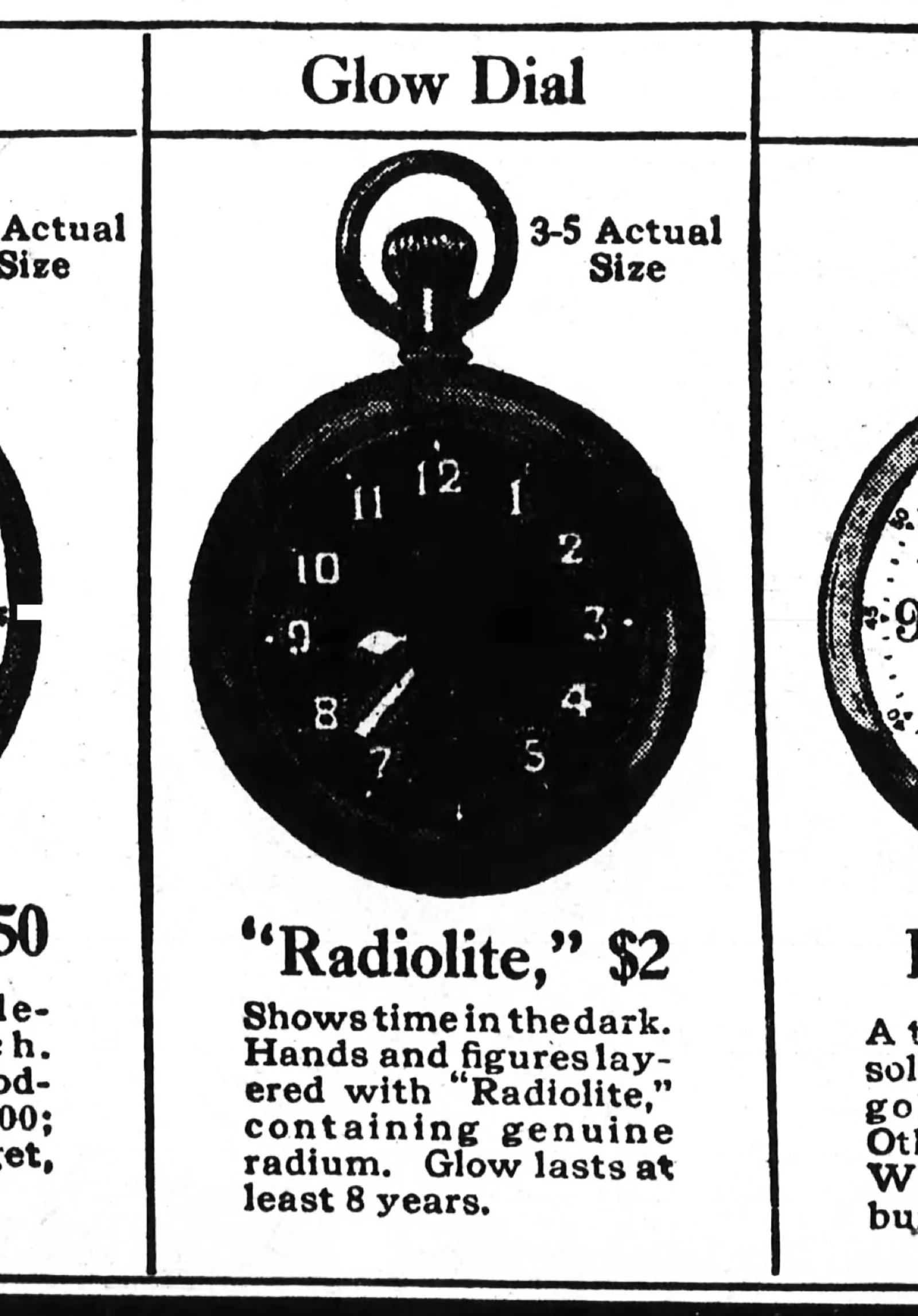
The cheaper kind of watch was everywhere by then. A factory at Waltham, Massachusetts had spent the 1850s learning to cut watch parts by machine so that any part fitted any watch, and by 1880 ten American companies were making nearly three million watches a year. In 1896 Robert Ingersoll began selling one for a dollar, and over the next twenty years he sold forty million of them. A dollar watch kept good enough time for a farmer. Ball's point was that it did not keep good enough time for a man with two hundred passengers behind him.
There is a word game on this site, if you would rather do that than read about trains. Long Story Short. One sentence a day, and you keep five of its words.